
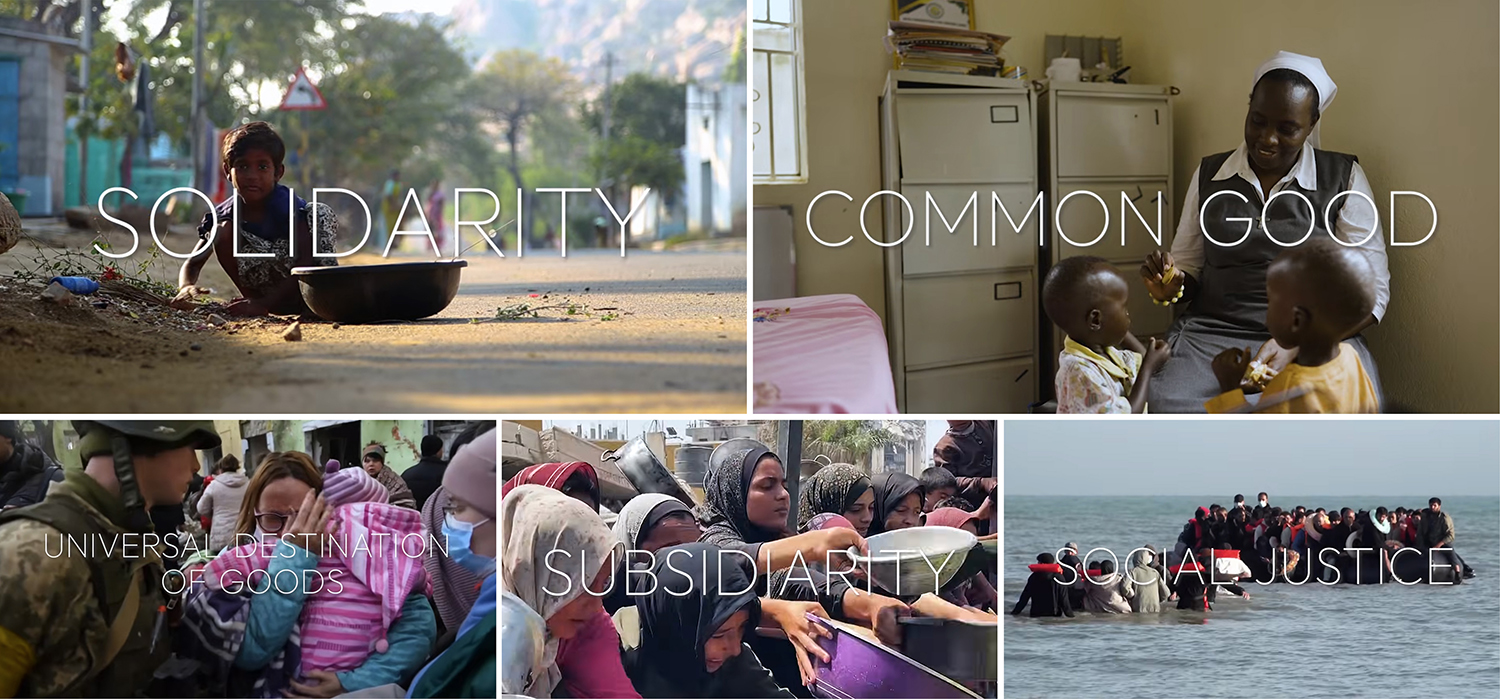
It's been mere weeks since Pope Leo XIV issued the encyclical Magnifica Humanitas: On Safeguarding the Human Person in the Time of Artificial Intelligence, and already Catholic healthcare leaders including ethicists are seeing the importance of the document and seeking ways to share its wisdom and apply it to the ministry's work.
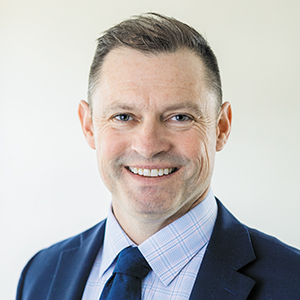
Daniel Daly, executive director of the Center for Theology and Ethics in Catholic Health, said the encyclical urges AI decision-makers to engage in conversation and discernment about how AI is developed and deployed, and the ministry is taking that to heart.
"The next steps for the ministry are really to cultivate conversation on this," Daly said. "I would say the first thing is to get leaders of AI, the chief information officers, ethicists and mission leaders together to talk about this. Because I think it needs to be a document that we sit with, and that we try to understand and then that we implement."
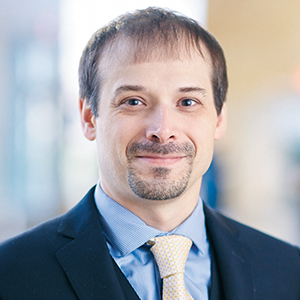
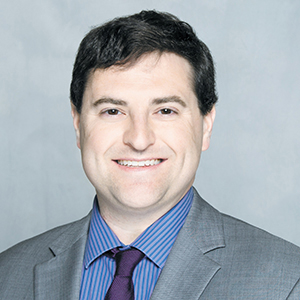
Byron Yount, chief data and AI officer for the Chesterfield, Missouri-based Mercy system, and Becket Gremmels, CommonSpirit Health system vice president, theology and ethics, said their organizations are exploring how best to communicate with their associates and other stakeholders about the encyclical, educate them on its contents and discern how it applies to them.
Yount said Mercy will be applying the encyclical's wisdom to its existing AI work, which already is built on a foundation of ethical discernment. He said there is and will continue to be "an intentional, deliberate implementation of AI."
Gremmels said CommonSpirit likewise has been deploying its extensive AI strategy, with Catholic healthcare ethics at the core. He underscored that this is practical ethics, carrying the ministry's values into real-life applications.
Guidance from council
Mercy operates 55 acute care and specialty hospitals across Arkansas, Illinois, Kansas, Missouri and Oklahoma.
Yount said Mercy already has a robust set of AI applications in use across its facilities. The system has a multidisciplinary council that has guided all AI decisions from the start and continues to be intricately involved.
Yount said that council will digest the encyclical's content and determine how to apply it to Mercy's work in the field. "We'll continue on the path we're on, we won't lose sight of the mission, and we'll take the opportunity to add to that wall and bring more people on," he said. His reference to the wall relates to the numerous times in the encyclical that Pope Leo contrasts the tower of Babel with the walls of Jerusalem. Pope Leo said humans created the tower of Babel without reverence to and alignment with God's will, and that brought about destruction. Conversely, the people who rebuilt the walls of Jerusalem in the Old Testament were dedicated to doing God's will and building in line with His mission, and they flourished.
Yount said he and other leaders at Mercy already are incorporating concepts from the encyclical into meetings and are determining how best to help associates and others understand the encyclical and talk about it.
He said the encyclical is sure to prove vital in helping to form people's consciences on AI.
Bridging the gap
CommonSpirit has 138 hospitals in 24 states across the U.S. Gremmels said the system has deployed hundreds of AI applications and many more are slated for launch soon. Like at Mercy, ethical discernment has been at the heart of all these deployments and will continue to be, he said.
He said as CommonSpirit integrates the learnings from the encyclical into the work of all its facilities, and as the system advances the ongoing conversation, a key focus will be on practicalities: How are the values of Catholic healthcare actually being incorporated into every facet of AI application, and how is that being monitored on an ongoing basis?
He noted that there is a gap in understanding between ethicists and AI tech specialists, and a key challenge is to bridge that gap. This will include helping ethicists to better grasp the technological concepts and helping programmers understand in-depth what's at stake from an ethical perspective. The technology specialists will need to fully appreciate the importance of safeguarding humanity from AI threats.
"We have a radical new technology with grave potential for harm and for good, and we are making it widely available," Gremmels said. "We need to take a pause" to ensure proper guardrails are in place.
He added, "There is a call for Catholic healthcare to ask: What does it mean to actually do good with AI? What is the vision? We are having that conversation now."
Further reading: Pope Leo XIV's recent encyclical illuminates how and why AI decision-makers must use ethical discernment