
Spiritual care departments face difficult challenges, including a shrinking pool of Catholic chaplains and other professionals to fill a growing number of positions, significant financial pressures and an ongoing concern that administrators underestimate the importance of spiritual care in healthcare.
During a webinar from CHA and the National Association of Catholic Chaplains, spiritual care experts discussed such challenges and explored how insights from a recent survey could point toward solutions.
The survey that CHA and NACC conducted last summer and fall captured the perspectives of professional spiritual care staff in the Catholic health ministry. Among the findings were that funding for spiritual care departments, compensation for spiritual care staff, and financial sustainability for the future are key challenges in chaplaincy. Many of the spiritual care respondents surveyed expressed concern that administrators do not fully understand chaplaincy's value.
During the June 30 webinar, experts affiliated with CHA and NACC discussed the survey findings' implications for ministry spiritual care. A theme that emerged is that continued standardization of spiritual care, continued building up of the profession and continued advocacy of the role are essential to earning increased respect and buy-in for spiritual care. This will in turn benefit patients and staff, the speakers said.
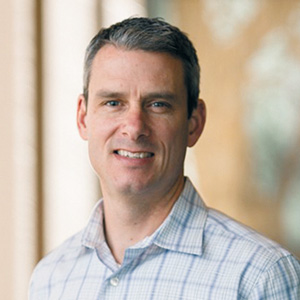
There will be "lots and lots of opportunities, I think, for us to really claim our space in healthcare and other places," said panelist Rev. Gregory Nealon, director of mission for Virginia Mason Franciscan Health, a member of CommonSpirit Health. Nealon, who also is a clinical pastoral educator, said the message from spiritual care professionals should be "that we have something that's really important to offer."
CHA-NACC partnership CHA and NACC have partnered to study trends in spiritual care for more than 25 years. In 2018, the two worked with the Center for Applied Research in the Apostolate to bring a more scientific approach to the work. The study that CHA, NACC and the applied research center undertook last year examined topics similar to the 2018 iteration.
The three organizations reported the most recent survey findings in the Spring 2026 Health Progress, and CHA has a white paper in development.
The most recent survey was of 748 spiritual care workers and people with direct oversight of them. Among the findings:
* Of the respondents, 71% were board-certified chaplains. Seventy-five percent of those with direct oversight of spiritual care teams were board-certified chaplains.
- Of all respondents, 45% have a master's in divinity and 47% a master's in theology; 17% of those with direct oversight of spiritual care teams hold a doctorate.
- The respondents spend, on average, 54% of their time on patient and family care services and 26% on administrative work. They spend about 20% of their time on staff support.
- When asked what the biggest challenge facing the chaplain profession is, 32% of respondents said the lack of funding, compensation and financial sustainability for their role; 21% cited the gap in value and visibility and administration understanding.
- In a section of the survey that captured managers' perspectives, 85% said their organization has a set of standards for spiritual care and 61% said their department has a clinical pastoral education program. Most of the managers said that factors such as education requirements, salary and certification requirements were barriers to finding qualified chaplains.
- About 40% of respondents said they use a standardized spiritual distress assessment tool.
Gaining sway
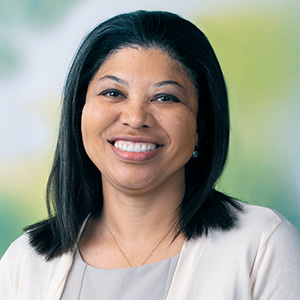
During the webinar, Nealon and Ruth Jandeska, Bon Secours Mercy Health vice president of spiritual health services and mission, shared their responses to the survey findings. Jandeska and Nealon are members of CHA's Spiritual Care Advisory Council.
Nealon focused on the difficulties that spiritual care departments face finding qualified candidates for open positions as well as developing their workforces.
He also reaffirmed the validity of the survey finding that spiritual care professionals worry that administrators may not fully understand chaplains' work and its benefits. He said building awareness of this work is essential. He added that continually improving how well chaplaincy is integrated into the broader facility can help spiritual care work gain credibility with administrators.
Standardization
Jandeska noted that some of the survey responses confirmed that spiritual care departments prioritize the standardization of chaplain services, but she said there's a need to continually hone and advance that work.
She noted spiritual care associates will need to continue to focus on demonstrating their impact, including working on strategic goals of their facilities, such as decreasing staff burnout and improving patient outcomes. They'll need to ensure that their efforts are aligned with the core work of their facility.
Jandeska, who is a member of the NACC board, noted that with spiritual care expanding into the outpatient environment, spiritual care departments must ensure they're equipped for that transition.
Affirmation
During the webinar, participants went into virtual breakout rooms for small-group discussions of the survey topics. Some then shared their perspectives when the full group reconvened and in an informal questionnaire after the webinar concluded.
Themes of that audience feedback were that the shortage of Catholic chaplains for spiritual care roles is a top issue. One attendee mentioned that because of the shortages, some healthcare facilities have stopped celebrating Mass on site, which could undermine the facilities' Catholic identity.
Some group members said there is a need to build awareness of chaplaincy among seminarians. CHA and NACC representatives confirmed that both organizations focus on this. They noted that they're also building such awareness among deacons.
Jill Fisk, CHA director of mission services, said elevating spiritual care will remain a CHA focus. "We understand where the trends are," Fisk said, "and we recognize the need to help innovate in that."