

Palliative Care: A Mission Imperative and Essential Component of Whole-Person Care
"Here, no one is turned away due to their frailty... you are fully respected and welcomed."
— Pope Leo XIV, Lourdes, France, September 2026
For Catholic healthcare, palliative care reflects the core principles of Catholic Social Teaching by recognizing the inherent dignity of every person and providing compassionate, whole-person care that addresses physical, emotional, social, and spiritual needs.
Palliative care helps ensure that treatment aligns with a person's goals, values, and beliefs while providing an additional layer of support alongside curative or life-prolonging treatment. It embodies Catholic healthcare's commitment to accompanying patients and families through serious illness, reducing suffering in all its forms, and promoting dignity, meaning, and quality of life throughout the continuum of care.
More than a clinical service, palliative care is a tangible expression of Catholic healthcare's mission to provide person-centered care that honors the dignity of every individual.
Research and experience across Catholic health systems demonstrate that palliative care delivered by an interdisciplinary team improves outcomes for patients and families by:
- Managing pain and other distressing symptoms
- Improving communication and shared decision-making
- Aligning care with patient goals, values, and preferences
- Supporting family members and caregivers
- Enhancing quality of life throughout serious illness
- Improving patient and family satisfaction with care
- Coordinating care across settings and transitions
In addition to its mission and clinical value, palliative care delivers measurable benefits for health systems by:
- Reducing emergency department utilization
- Lowering hospital admission and readmission rates
- Improving care coordination across settings
- Reducing length of stay for certain patient populations
- Enhancing appropriate utilization of healthcare resources
- Reducing the overall cost of care for patients with serious illness
The Catholic Health Association has long supported PCHETA, bipartisan legislation designed to expand access to high-quality palliative care through workforce development, education, research, and public awareness. PCHETA would:
- Expand training opportunities for physicians, nurses, social workers, chaplains, and other interdisciplinary professionals.
- Establish palliative care education and fellowship programs.
- Support faculty development and workforce growth.
- Increase research on palliative care delivery and outcomes.
- Improve public understanding of palliative care and its benefits.
By strengthening the palliative care workforce and increasing awareness of its value, PCHETA would help ensure that more patients and families have access to high-quality, whole-person care.
Palliative care is one of the clearest examples of Catholic healthcare's commitment to whole-person care. It improves quality, strengthens the patient and family experience, reduces suffering, supports caregivers, and delivers meaningful operational value.
As Catholic health systems continue to reimagine care delivery, palliative care remains a proven approach that advances mission, quality, and stewardship while honoring the dignity of every person.
"Catholic healthcare services should strive to support those who suffer from life-limiting illness…with the full range of multidisciplinary palliative care in order to address suffering that may be physical, psychological, and spiritual."
- Ethical and Religious Directives for Catholic Health Care Services, Directive 61.
-v2.jpg?sfvrsn=c3b52f4_1)
.jpg?sfvrsn=ac91d5f2_2)
-v2.jpg?sfvrsn=73f41948_1)
-(1500psd).jpg?sfvrsn=4891d5f2_2)
Palliative Care Articles
-
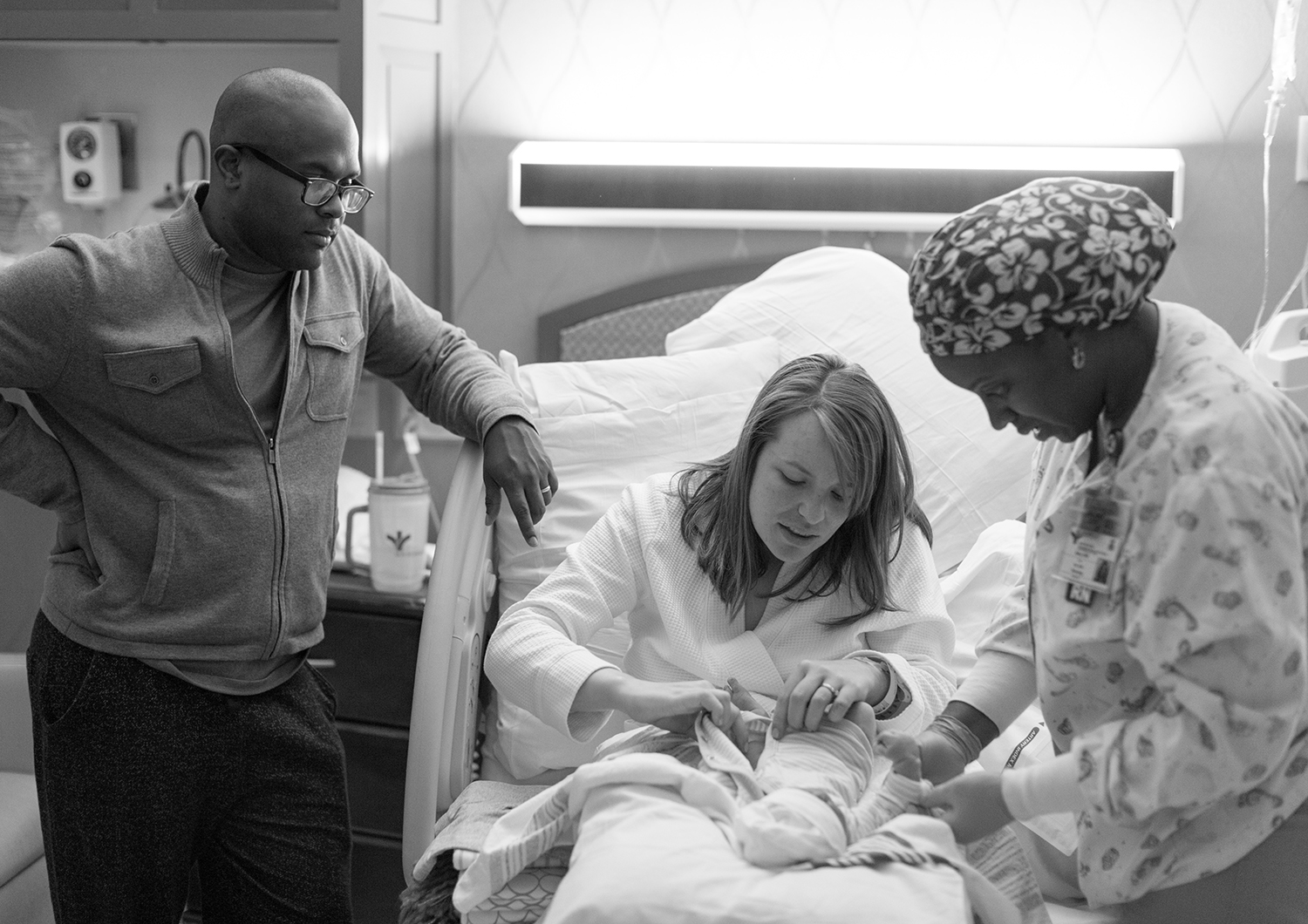
 July 2026The labor and delivery staffs’ tender treatment includes giving families time with newborns and meaningful keepsakes.
 -
 June 2026
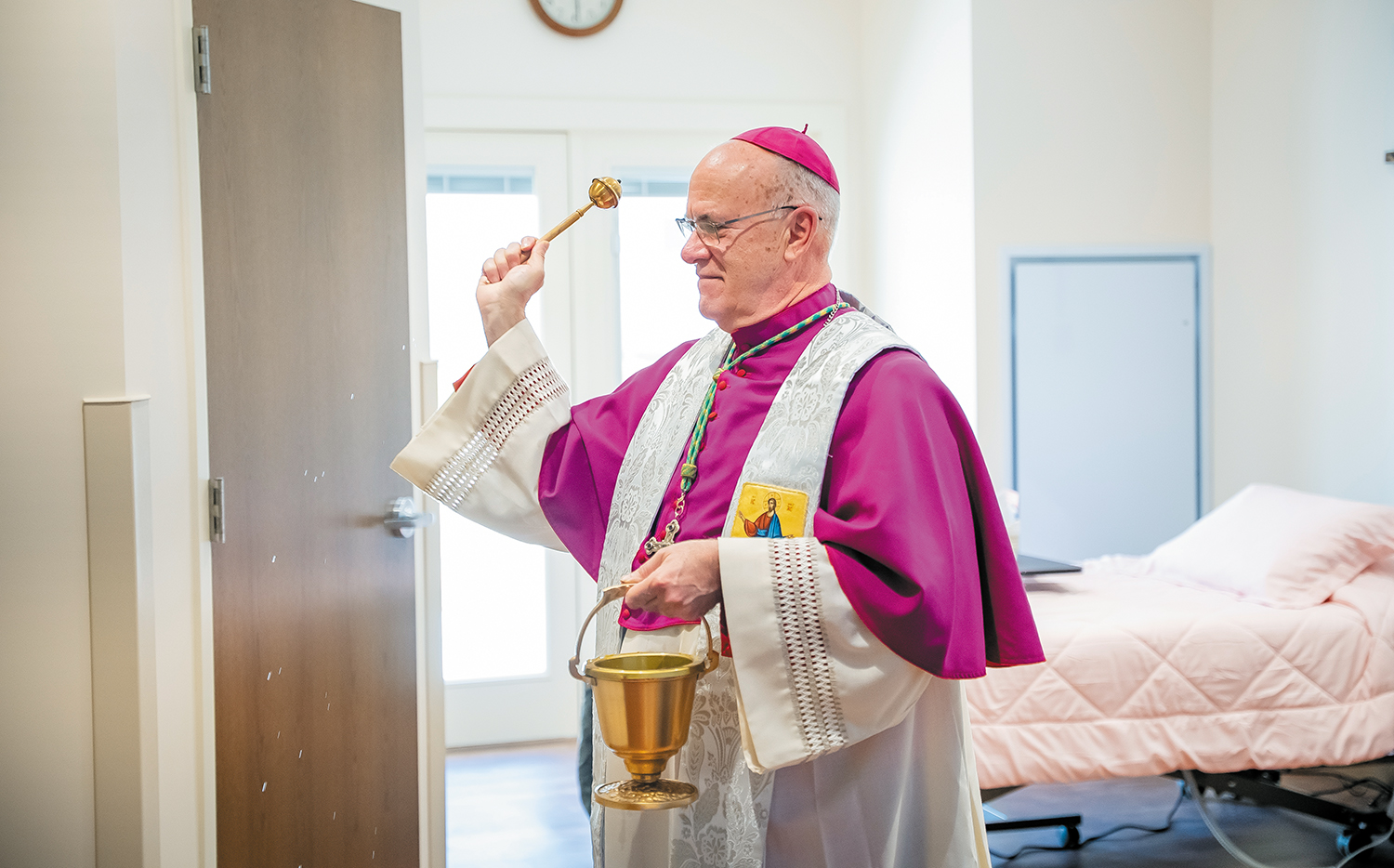
Indiana's Saint Anne eldercare campus opens hospice suites to provide holistic end-of-life care
In the newly remodeled wing, residents receive medical, spiritual and emotional support in a homelike setting. -
 May 2026
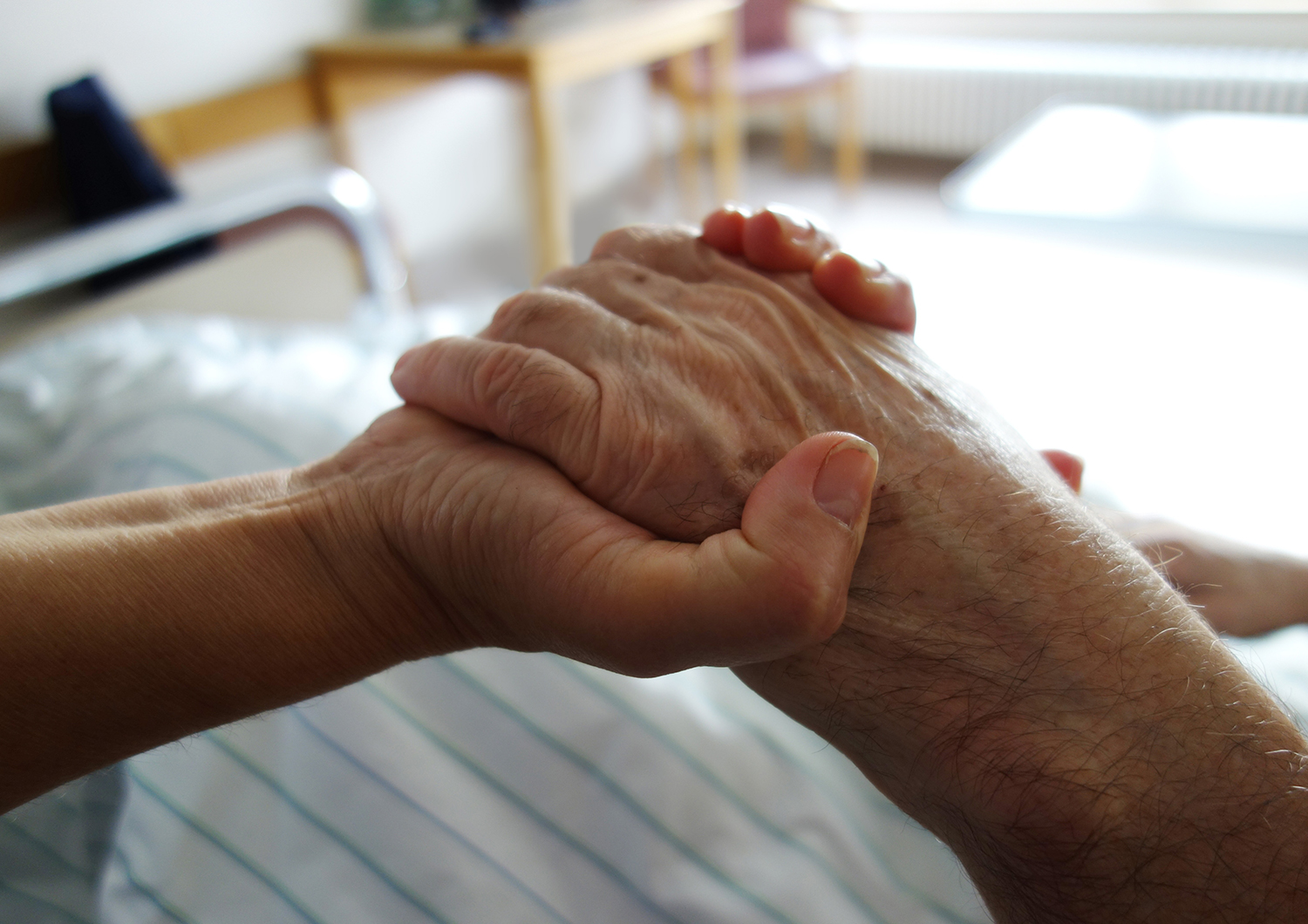
As more states legalize physician-assisted suicide, ministry providers face complex ethical and clinical questions
CHA webinar presenters discuss such concerns and how providers can and should prioritize patient interests. -
 December 2025
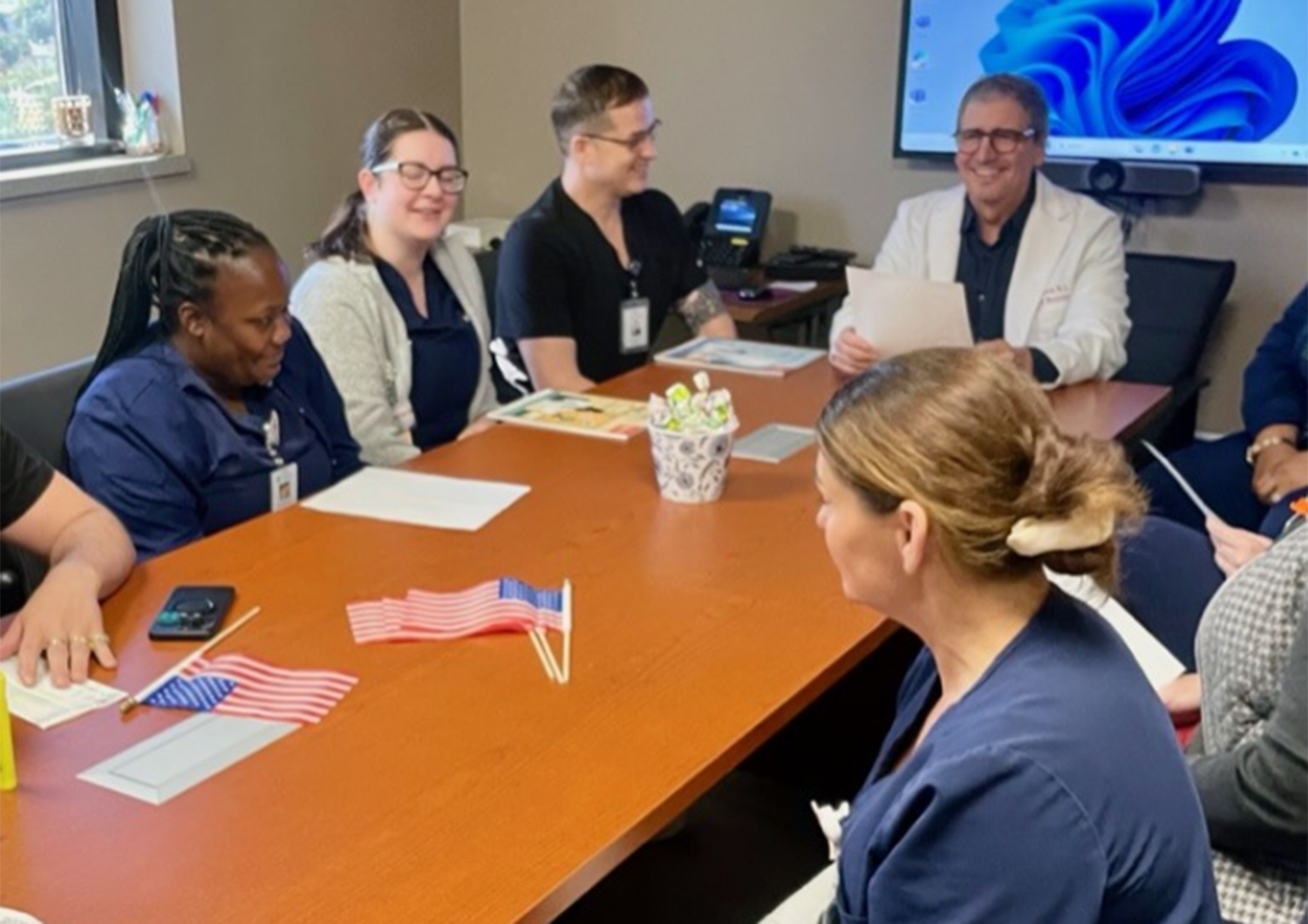
FMOL Health doctor is spreading palliative care programming across system
Dr. Mark Kantrow says the care addresses patients' suffering 'based on a deeper understanding of what is important to them.' -
 December 2025
One bead at a time, Avera caregivers help patients signify, reflect on cancer treatment milestones
The new Avera Journey Bead program is available to patients getting treatment at the system's cancer institutes. -

 Fall 2026
Accompanying the Dying: A Catholic Response to Assisted Death
Should we choose the means of our own death? We all know, with certainty, that we will die. The immediate question at hand for many is whether we should bring our own lives to an end because of a terminal or painful illness. With a grim prognosis, is it more human to choose to end our lives or to continue to live through the process of dying? These questions arise because of legal changes to assisted dying, both in the United States and internationally. -
 Winter 2026
From Innovation to Imperative: The New Era of Palliative Care Delivery
In 2024, the American Medical Association updated its Code of Medical Ethics to establish that physicians have an ethical responsibility "to address the pain and suffering occasioned by illness and injury and to respect their patients as whole persons. These duties require physicians to assure the provision of effective palliative care whenever a patient is experiencing serious, chronic, complex or critical illness, regardless of prognosis." -
 Spring 2025
Reclaiming the Spiritual Dimension of Health and Healing: A Seasoned Chaplain's Perspective
Holistic health care is a buzzword these days, written into the mission, vision and values of health care systems throughout the country. There's a good reason for this: more and more research points to the positive impact of treating the whole person on patient outcomes, patient and family satisfaction, and staff morale. -
 Spring 2025
Supporting Patients and Their Loved Ones Coping With Serious or Terminal Illness
Chaka Brittain's mother used to bring her along on her visits to terminally ill people in her community. "My mom was somewhat of a death doula, if you would," she said. "I remember even as a young girl going to people's houses, and they were dying. She'd come in and sit with them and stay with them until they had 'gone to glory.'" -
 Fall 2024
Ensuring Integrated Palliative Care for an Aging America
Spectacular advances in medical care have resulted in improved overall health and longevity. Combined with a surge of baby boomers, our population is now aging at an unprecedented rate. This demographic shift is anticipated to strain an already taxed post-pandemic health care system.
Season 5: Episode 3 - A.I., Empathy and Goal-Aligned Health Care
When working with patients, it is essential for palliative care providers to have goal-oriented conversations. Without them, caregivers may not efficiently and collaboratively meet the patients' needs and goals for their own care. How can new technologies enhance these conversations, both from a productivity and a human relationship standpoint?
Matthew Gonzales, MD, of the Institute for Human Caring at Providence, joins the conversation to discuss IHC, the center’s successes, and its use of generative artificial intelligence. Gonzales lays out how “EmpathyAI” can enhance caregiver-to-patient interactions and lead to better outcomes for patients in a goal-aligned care model.