
As changes in eligibility rules for Medicaid and the Supplemental Nutrition Assistance Program begin to phase in, CHA and other Catholic groups are advocating for action that keeps people who qualify for the programs on the rolls.
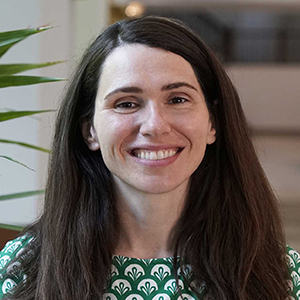
Speaking during a recent CHA webinar, Julie Bodnar, outreach and policy adviser with the United States Conference of Catholic Bishops, said society has a responsibility to create conditions in which human life and dignity are nurtured and defended. She said that responsibility means providing what people need to flourish, including food and healthcare.
"These are human rights. They're not a luxury," Bodnar said. "They can't be reserved for just a few people. They cannot be conditional. They sustain life."
In the webinar, Bodnar focused on how the bishops' concern about the eligibility changes is rooted in Catholic social teaching. Paulo Pontemayor, senior director of government relations at CHA, explained why new restrictions for Medicaid coverage are projected to shrink enrollment, even among those who are eligible. Francisco "Frankie" Chevere, director of social policy and government affairs at Catholic Charities USA, reviewed how revisions to SNAP access are likely to mean significantly fewer people qualify.
Work requirements for Medicaid
Legislation enacted last year — known as both HR 1 and the One Big Beautiful Bill — adds new limits on who qualities for each of the safety net programs and changes how often eligibility must be determined from once a year to twice a year.
For Medicaid, a major change is that Americans who are part of the expansion population — that is, adults without disabilities who make less than 138% of the federal poverty level and who live in states that agreed to help fund their coverage — will be required to prove that they are working or volunteering for 80 hours a month or in school.

Bodnar said that work requirements for safety net programs should help people meaningfully participate in the economy through their labor and must not create artificial barriers to programs. "The state has a role in encouraging employment opportunities and creating conditions for good jobs and promoting a just economy," she said.
Pontemayor noted that a Congressional Budget Office analysis estimated that the new work and proof-of-eligibility requirements will cut Medicaid spending by $317 billion over 10 years. The analysis projects that the savings will come from 7.5 million people losing coverage over that period; for 6 million of them, the loss will be due to the new eligibility hurdles rather than a change in their circumstances.
"We like to point out that while these numbers are staggering, these numbers represent real people, families who and individuals who will lose access to care because of paperwork errors and changes to the law," Pontemayor said.
Pontemayor added that states have some flexibility in how they implement the changes, such as the option to use existing databases to automate enrollment. He urged those listening to the webinar to ask state health officials and Medicaid directors to do what they can to make enrollment and renewal easier. He also urged them to educate their communities on the new restrictions and to collect and share stories about challenges created by the changes.
Expanded work requirements, fewer exemptions for SNAP
Chevere explained that work requirements are already in place for people who get SNAP benefits, but some recipients are exempt. The changes have been in place nationwide since Sept. 1 expanded the requirements and reduced the exemptions. The work requirements previously applied to people age 18-54. The change moved the upper age limit to 64. Parents with children under age 18 had been exempt, but the change means only parents of children under age 14 are. Blanket exemptions are going away for veterans, people experiencing homelessness and those who are under 24 who have aged out of foster care.

The most significant change, in Chevere's view, is two shifts in cost sharing for SNAP from the federal government to states. The share that states must pay for administrative costs of managing the program will rise from 50% to 75% later this year. Next year, the revised rules will require states to pay part of the cost of food benefits for the first time ever. How much of the latter cost that states will have to pay will depend on their "error rate" for overpaying or underpaying SNAP recipients.
"Based on the most recent state error rates, about half of the states will face a cost share burden of more than $100 million per year, half of the states," Chevere said, "and this jeopardizes SNAP assistance if states cannot fully cover this cost by raising taxes or cutting other services in their budgets."
He noted that since the law revising the rules for SNAP benefits was signed in July 2025, 3.5 million people have lost benefits as various new policies have been put in place such as removing access for some immigrants. "This is the steepest decline in SNAP participation in 30 years, and we fully expect even more people to lose SNAP in the months ahead, as the HR 1 SNAP cuts and changes take full effect," he said.
To ease the impact, Chevere said Catholic Charities and other advocacy groups are urging the Senate to add a provision to a farm bill now under consideration. The provision would give states two extra years, or until October 2029, to improve their error rates before they start sharing the costs of benefits.
"We all have a role to play"
Bodnar said the bishops believe the foremost consideration of any changes to Medicaid and SNAP eligibility should be their impact on those the programs are meant to help: people who cannot afford healthcare or food.
"Catholic teaching says that government has a responsibility to serve the common good, to ensure the rights and defend the dignity of the poor and vulnerable, and to provide a safety net," Bodnar said. "So we all have a role to play — churches, community groups, the private sector, individuals — and we have to work together to meet this responsibility and ensure a decent standard of living for our brothers and sisters. The state, just like you and I, cannot abdicate this responsibility."