
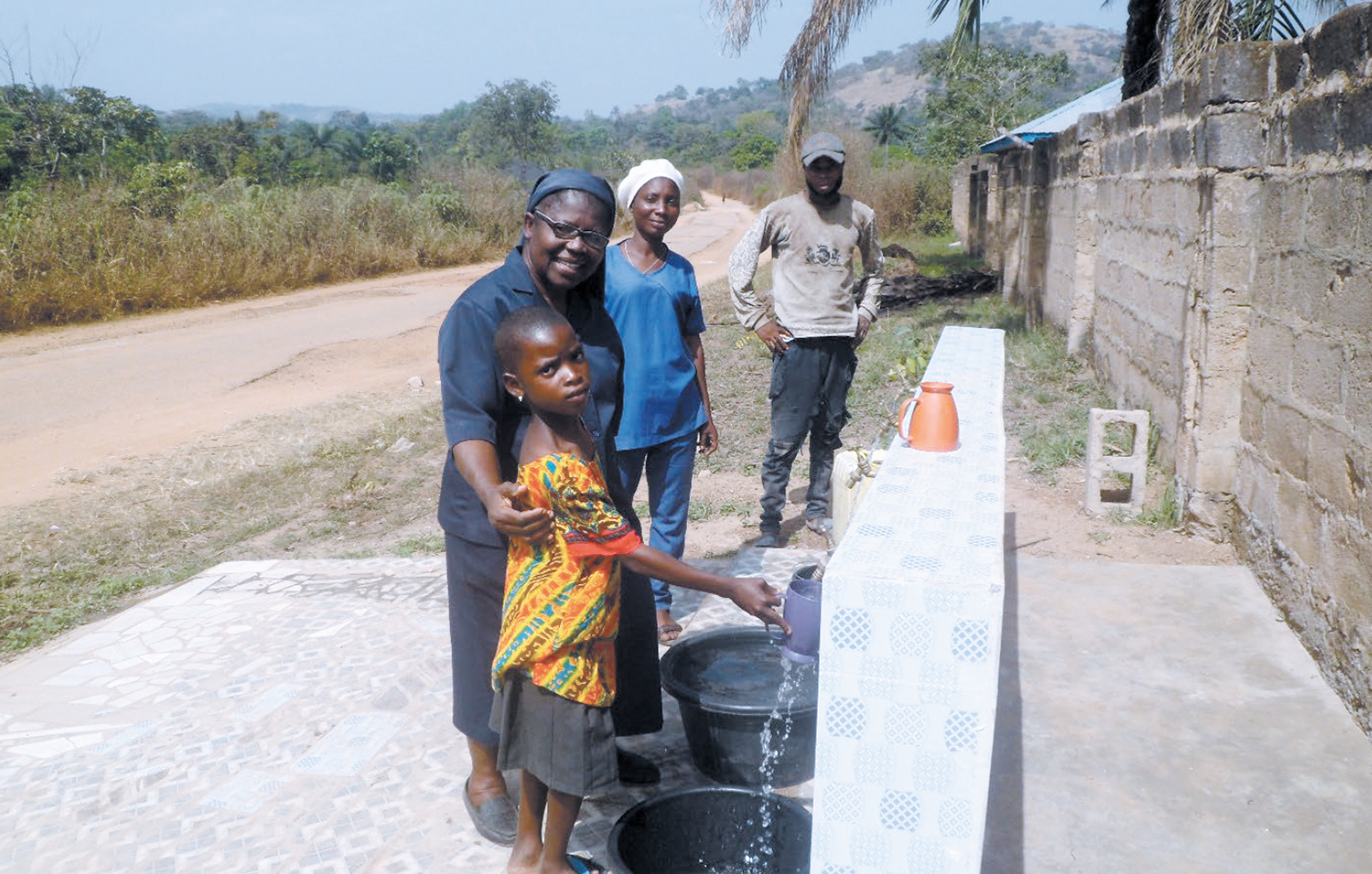
Those initiatives took the spotlight this spring at a conference convened by the Vatican. The initiatives, known as WASH for short, include school education programs about hand-washing techniques and cleanliness supported by the Catholic Health Association of India, infrastructure improvements and other work supported by Catholic Relief Services in 16 countries, and drilling of boreholes, supported by Cross Catholic Outreach, that improve water access in Zambia.
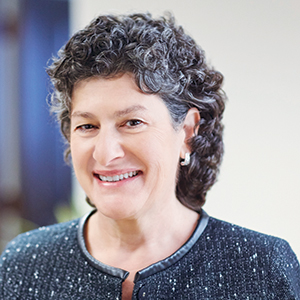
Bruce Compton, CHA's senior director of global health, said after that gathering that he would like to leverage initiatives worldwide so they aren't one-off efforts of individual hospitals or systems. He would like WASH to be part of other partnerships that also address issues like workforce and supply chain.
"How do we build on it so that it really does have scalability?" he asked.
Compton and Sr. Mary Haddad, RSM, president and CEO of CHA, represented the organization at the international gathering, "Committed to WASH in Healthcare Facilities," in Rome, convened by the Vatican's Dicastery for Promoting Integral Human Development. Leading Catholic entities joined participants and leaders of several other religions to highlight their progress and announce new commitments to WASH.
In a statement, Pope Leo XIV offered his blessing for the gathering and said he was "pleased to see so many organizations of various faith backgrounds working together on this pressing issue and seeking to improve the living standards of our brothers and sisters."
'A moral imperative'
Sr. Mary highlighted for those gathered that 30% of people worldwide get healthcare in facilities that lack reliably clean water and sanitation, undermining patient safety and good health outcomes. She pointed out that the COVID-19 pandemic instilled lessons about how the health of one country can impact the health of another.
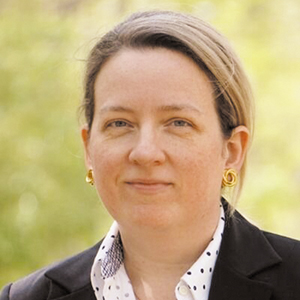
She said that faith-based providers have a particular responsibility to ensure WASH is in place because in many low-income countries they run 20% to 40% of the facilities, with the Catholic church being the largest provider.
"For us, WASH is not merely a technical shortcoming, it is a moral imperative," she said.
Several Catholic health systems support organizations such as Catholic Relief Services, Catholic Medical Mission Board, and Caritas Internationalis in advancing WASH.
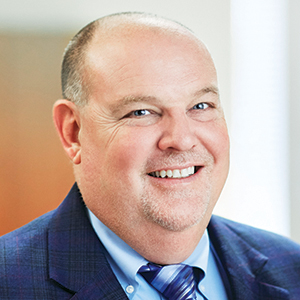
Among them is Bon Secours Mercy Health, represented at the gathering by Director of Global Health Camille Grippon. She described for the group the system's efforts in securing safe drinking water in Haiti and Peru, as well as in preventing the spread of waterborne diseases at healthcare facilities there. The system's office of Global Ministries also has supported an initiative in the Philippines through the work of Catholic Relief Services.
"Our commitment really extends the good work of the church and our responsibility for global solidarity for those who are most vulnerable," Grippon told the gathering. "How can we come together as a donor body as well to do more collectively?"
Building on a pilot program
Compton said that an effort to get WASH implemented in Catholic healthcare facilities worldwide started with the initiative Global Water 2020. Under that initiative, the Dicastery for Promoting Integral Human Development launched the Catholic WASH in Healthcare Facilities Initiative and started with a pilot program assessing about 150 Catholic healthcare facilities in about 24 countries.
Despite being disrupted by the COVID-19 pandemic, about 80 Catholic healthcare facilities out of the initial group have been funded or partially funded. The effort led to more projects beyond those named in the pilot, Compton said.
"I feel like the next step is: Who's going to step up and say this is something that's really important and needs to be leveraged at a high level?" Compton said.
Compton said that the gathering highlighted the "indispensable leadership" of Catholic health systems, women religious, and faith-based organizations in advancing WASH work worldwide. CHA will continue to play a convening role, bringing together people to share best practices, reduce duplication and to ensure efforts are aligned with Catholic social teaching and with the guidance of the Vatican.
Compton would like to see WASH projects be part of a broader conversation and effort in improving healthcare worldwide. He sees WASH in healthcare facilities as a defining issue at the intersection of faith, health and human development.
"It's foundational to good healthcare and of course, we would want that to be present in every place," he said. "But if I was sick in rural Haiti and they didn't have clean water, sanitation and hygiene, am I saying that I don't want to be cared for at a facility that provides care? No, even if they don't have all of the modern facilities I still need to go see a medical professional.
"This is such a conundrum, because it's such an important issue. It's such a foundational issue. But like everything, we need to focus on the full picture, not just one piece of the picture."
Further Reading: The Ripple Effect of 'WASH' in Catholic Health Care