
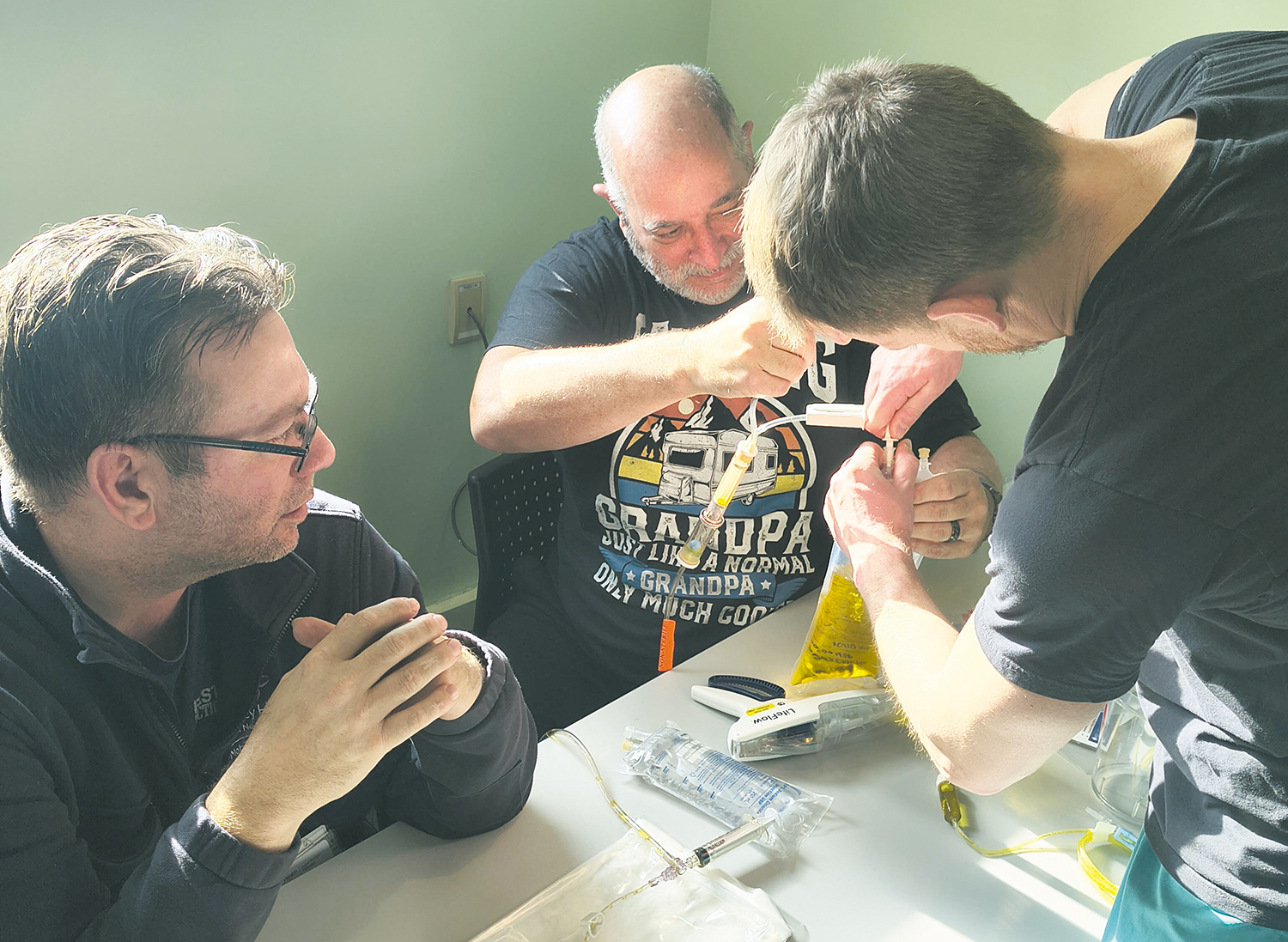
The National Highway Transportation Safety Administration estimates that 37% of trauma patients with severe bleeding could be saved if they got a quick transfusion. And the sooner they get blood into their bodies, the better their chances of survival even weeks after the incident, with some studies showing as much as a 60% mortality reduction.
"You just do not see those kind of numbers in medicine," said Dr. Wesley Kyle, EMS medical director of Saint Mary's Hospital in Waterbury, Connecticut. The hospital is a member of Trinity Health Of New England.
"Essentially, there has never been an intervention in our lifetime in the house of medicine that has such a potential to dramatically reduce death," Kyle said.
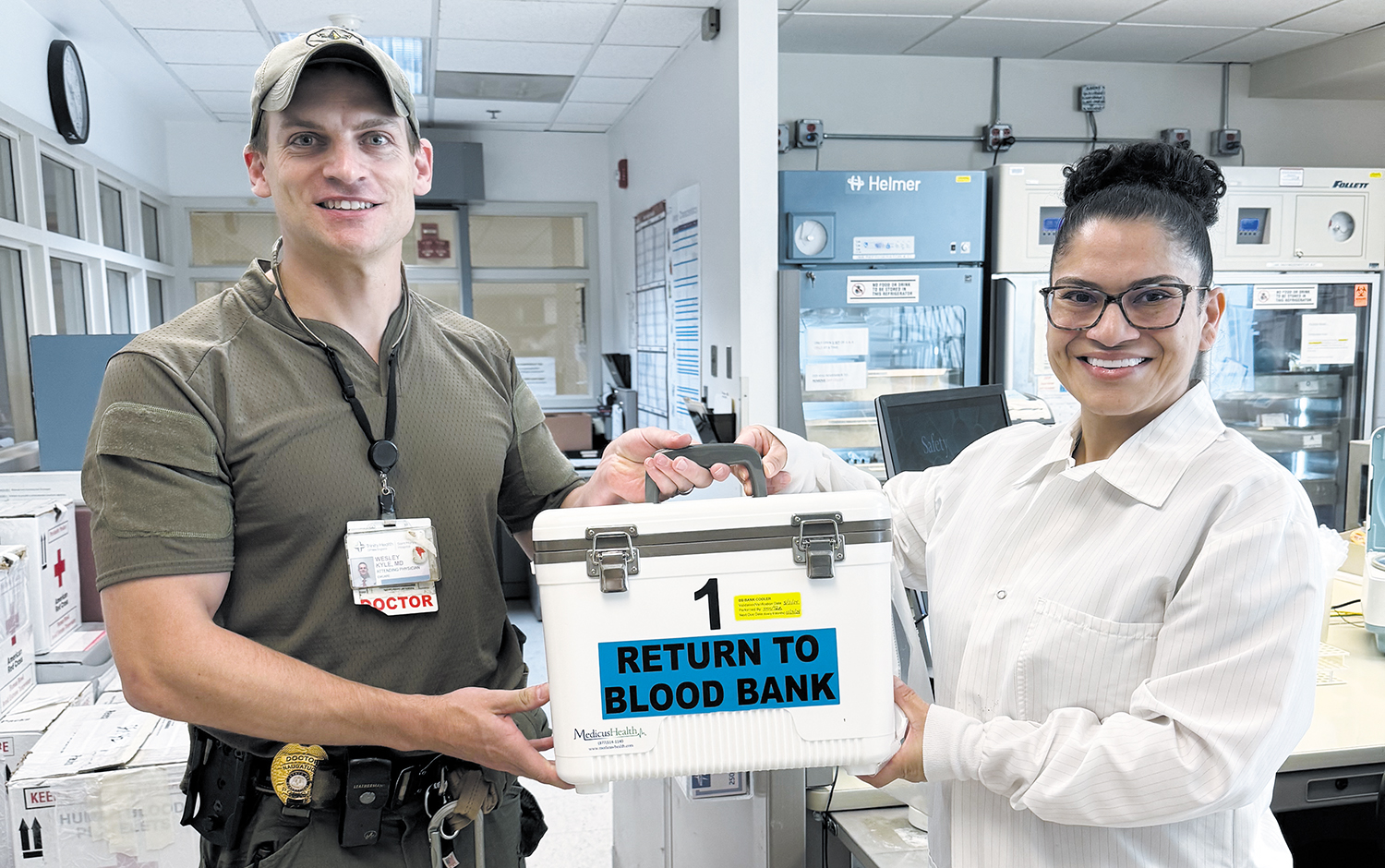
Trinity Health Of New England is one of several Catholic health systems and facilities partnering to ensure emergency responders come equipped with whole blood.
Logistical challenges
Leaders of Catholic hospital systems say creating prehospital blood transport programs is logistically tricky. It requires careful collaboration among local blood banks, EMS agencies and hospitals, as well as funding for training and for equipment to store and transport the blood in ambulances.
While whole blood, which contains red blood cells, plasma, and platelets, is favored as the gold standard, some agencies that lack the infrastructure to store whole blood can use components.
"Having it out there, being able to give it quick into the patient, is really what matters," said Dr. John Pettini, chief of Trinity Health Of New England EMS, who was instrumental in establishing the first prehospital blood program in the northeast in 2020, partnering Saint Francis Hospital in Hartford, Connecticut, with American Medical Response Hartford. At that time, the closest prehospital blood program was in North Carolina. Since then, Saint Francis, also part of Trinity Health Of New England, has partnered with two other local EMS agencies, expanding coverage.
Pettini recalled hearing from a medic who went to a call for a prison inmate who was hemorrhaging from an ulcer. The man got a blood transfusion on scene. The medic told Pettini that within two minutes the look of the patient went "from death to life."
Military beginnings
In April, Trinity Health Of New England announced a partnership led by Saint Mary's Hospital with EMS providers to supply emergency responders with whole blood. The initiative is supported by a $75,000 grant from the Connecticut Health and Educational Facilities Authority. The grant will pay for coolers that hold blood in the ambulances and enable GPS tracking of blood; advanced blood and fluid warmers; and rapid transfusers, which warm the blood and help get it into patients quickly.
"I think that this is a service that undoubtedly serves the poor and underserved populations more than any others," said Kyle, a member of a regional SWAT team and a combat physician who has performed blood transfusions during active duty.
Before prehospital blood programs started appearing about 10 years ago within civilian EMS systems in Texas, the miliary was using whole blood transfusions on the field and soldiers as ready donors, or "walking blood banks." Texas lawmakers recently budgeted $10 million to further expand prehospital blood transfusion programs.
Pettini pointed out that a prehospital blood transfusion program in New Orleans is credited with helping reduce the murder rate there — by improving assault victims' chances of survival — and that data from Washington is similar.
A nationwide spread
Other Catholic health systems and hospitals have partnered with local agencies to establish prehospital blood programs. The Prehospital Blood Transfusion Coalition offers an interactive map of the programs.
In Des Moines, Iowa, a partnership that includes MercyOne, the Des Moines Fire Department, and West Des Moines EMS started in late November and is the first of its kind in Iowa, according to the city of Des Moines. MercyOne is part of Trinity Health.
In Frisco, Colorado, first responders are working with CommonSpirit St. Anthony Summit Hospital to carry units of whole blood in a program funded by the National Highway Transportation Safety Administration, according to a January press release.
SSM Health supports pre-hospital blood administration programs that began last year in Sauk County in central Wisconsin, where many area residents live far from hospitals and trauma centers. Dr. Aurora Lybeck, SSM Health EMS director, called the addition to Baraboo, Reedsburg and the Dells area groundbreaking, according to a story from the WiscNews website.
Lybeck said: "The evidence tells us that there is so much more benefit (to on-site transfusions) when we have these prolonged transport times."
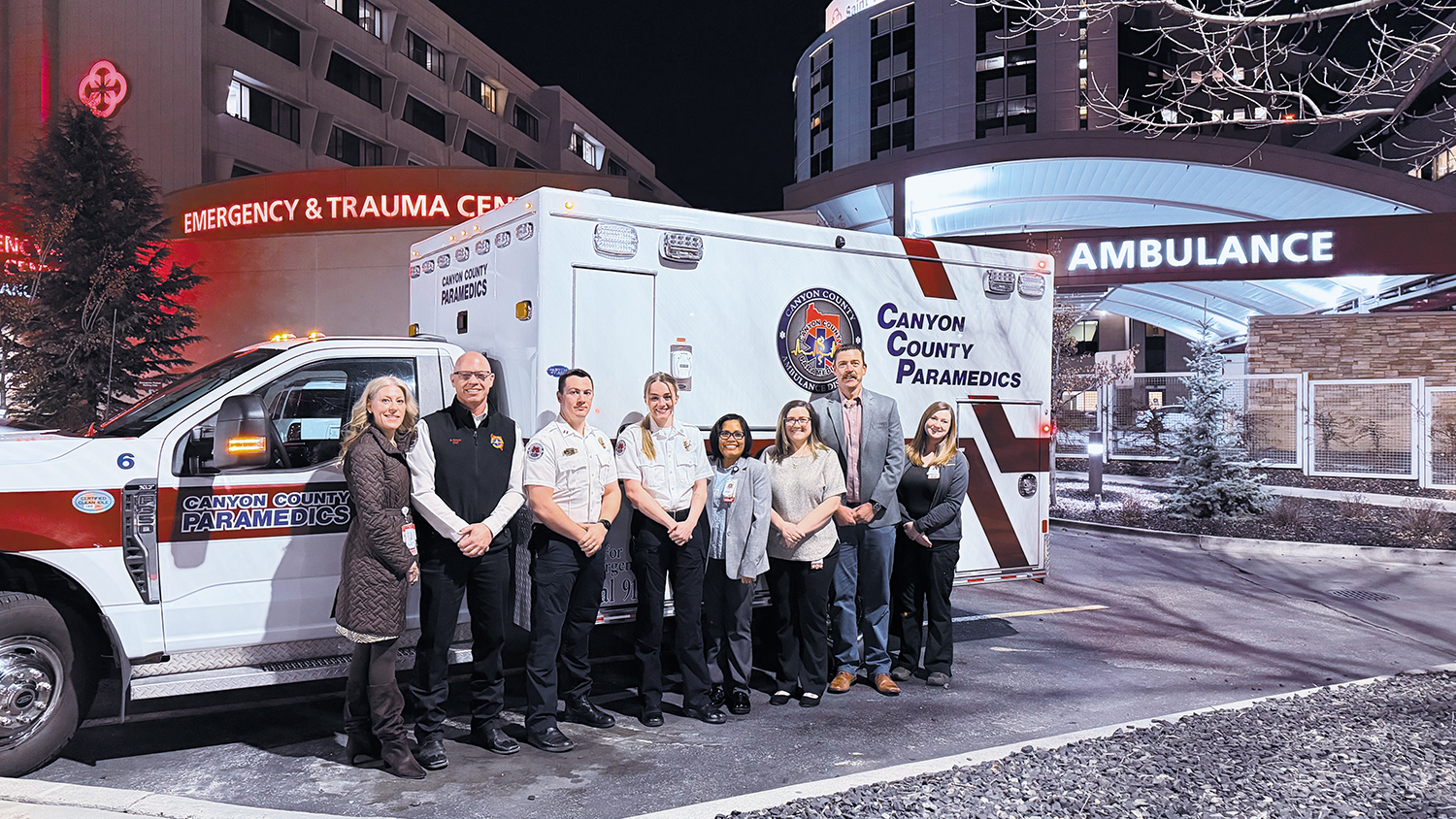
In Idaho, "people work hard and play hard," said Dr. Caleb Mentzer, Saint Alphonsus Regional Medical Center—Boise trauma and acute care surgeon. "The wonderful, great outdoors that we have access to offers a lot of ways to hurt yourself," he noted.
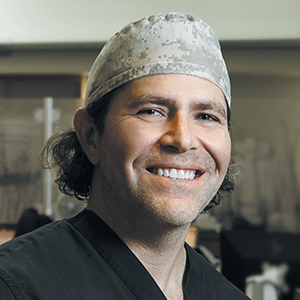
Saint Alphonsus Regional Medical Center — Boise is also a member of Trinity Health. In February, the system launched a partnership with Canyon County Paramedics and the American Red Cross to deliver whole blood to patients who need it, such as victims of car accidents, falls, snow injuries, bike accidents and gunshot wounds.
The blood is typically carried by ambulance in coolers that maintain stable temperatures for up to 72 hours. Unused blood is returned to the hospital five days before it expires for use there.
The area that the Saint Alphonsus Health System serves is experiencing historic population growth. Construction is underway to more than double the size of the Saint Alphonsus Medical Center — Nampa.
"There is a fair amount of sprawl, and it gets really rural, really quick here," Mentzer said. "Thirty minutes outside of town, and you are isolated. You are essentially without cell phone service for big chunks of it."
Sometimes injured patients have to be transported via ambulance because it is difficult to access them by helicopter. Even then, the journey, which could span several hours, might first include time on horseback or an ATV.
"Blood really does make a difference," he said.
Building relationships
Officials in that area started talking about the program about two years ago, and it became financially possible after voters in Canyon County approved an ambulance district tax last year. Building the program also required good relationships with the American Red Cross and the ambulance district as well as support from health system leaders.
"I find so much relief working in a place where they truly mean what they say," Mentzer said of working at Saint Alphonsus. "If we need something because it is going to make our community a safer and better place, they are not going to bat an eye."
Pettini, of Trinity Health Of New England, says his young trauma surgeon colleagues returned from surgical conferences this year astounded to meet others who cannot get blood transport programs started in their own communities: The blood banks will not cooperate or they face regulatory challenges, he was told.
Pettini and Kyle continue to spread the word about their programs and walk others through challenges.
Pettini said the point is to help others, and to give victims, especially the underserved, a greater chance of survival.
"That is kind of our mission, right? There has got to be hope and help," he said. "I think that is what it is all about working in a Catholic health system."