
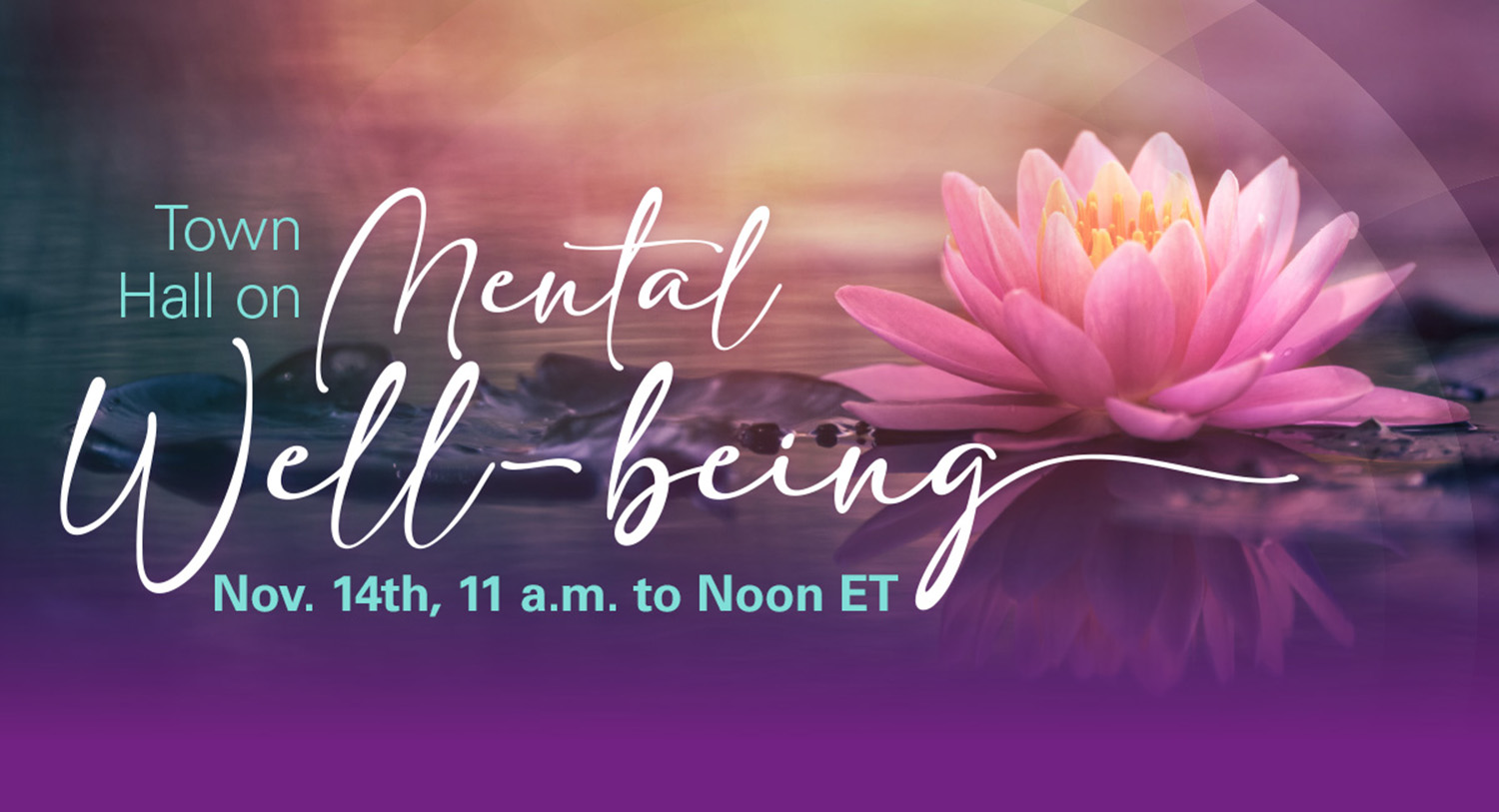
Early in the COVID-19 pandemic, it became clear that health care workers were not immune from the mental health challenges escalating nationwide. Like so many others, they were suffering from burnout and other mental health conditions.
Trinity Health is among the many ministry systems and facilities that have increasingly prioritized colleague well-being in recent years.
Since about 2022, the health system has hosted online "town hall" discussions on mental health several times a year for its employees. The main goals are to remove the stigma of mental health conditions, normalize seeking care, and encourage employees to nurture themselves — body, mind and soul.
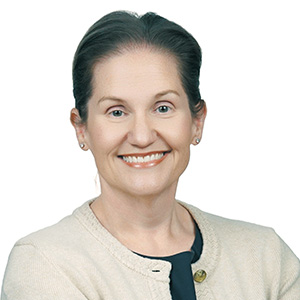
Jodi Weiner, Trinity Health vice president of benefits and well-being, says, "Our approach to well-being is holistic and includes all the elements of well-being that affect our colleagues' ability to flourish and thrive."
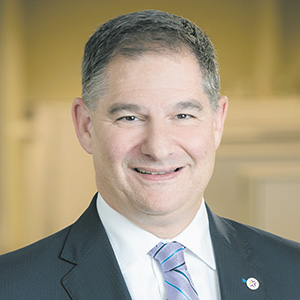
Dr. Daniel Roth, Trinity Health executive vice president and chief operating officer, says the town halls are having a direct, positive impact. "We're getting good feedback," Roth says. "Our colleagues are finding the topics to be salient and an important benefit. We're trying to make the town halls actionable."
Rates improving but still high
An online resource from the Centers for Disease Control and Prevention says working conditions always have been challenging for health care associates in part because they are tending to people in intensely stressful and emotional situations, are exposed continually to suffering and death, often are under pressure due to complex relationships with patients and family members, and have demanding work schedules. The resource says that the dynamics of the pandemic exacerbated these challenges, resulting in more fatigue, strain, stress, loss and grief.
Data is starting to show the impact. According to an April article in JAMA Network Open, health care staff burnout levels increased during the early years of the pandemic and began decreasing after 2023, when public health officials said the public health emergency was over. The study's authors say the rates have not returned to pre-pandemic levels, so the issue should remain a focus for the health care field.
At Trinity Health, leadership knew from surveys and anecdotal input that employees were experiencing mental health concerns, but staff were not necessarily aware of and taking full advantage of the mental health resources available to them, according to Roth and Weiner.
The system had seen employees and their families embrace videoconferences as a valued platform for learning and asking questions of Trinity Health leadership about COVID-19 information. Leaders decided to use the same online platform for a system-wide conversation on mental health.
Crowdsourcing topics
Roth and Weiner say it is a joint effort of Trinity Health's mission leaders, clinical leaders and human resources and colleague care team to make the town halls as successful as possible.
Representatives of these disciplines unite to address employee well-being. As part of this role, they "crowdsource" to learn what mental health topics are of most concern for employees. Trinity Health has about 133,000 colleagues and more than 38,900 physicians and clinicians working at 92 hospitals and a network of other facilities across 25 states.
After determining the best topics to address, the leadership team assembles a panel of experts to speak at each town hall. The sessions, which last about an hour, occur about three times a year and are open to any associate to attend virtually. Participants can submit questions and observations, and they can do so anonymously. The sessions are recorded so those who miss the live airing can watch later.
Open forum
Topics have included removing stigmas around mental health; setting boundaries; addressing substance misuse and other addictions; handling family dynamics; creating a mental health action plan; improving sleep; and understanding the interconnection between physical, emotional, spiritual and mental health. Weiner notes that sometimes the planning team presents on topical issues. For instance, people are expressing deep concern regarding economic and political pressures, and those are topics that a future town hall may take on.
Presenters include subject matter experts from Trinity Health as well as outside experts. Sometimes, Trinity Health's external employee well-being consultant, Spring Health, supplies speakers.
Enhanced resources
Each town hall session includes instructions for accessing Trinity Health's resources.
Roth and Weiner say the collaborative of mission, clinical and human resources leaders has enhanced the system's employee well-being resources in recent years.
After staff reported that mental health counseling was difficult to access, Trinity Health engaged Spring Health to offer quick access —usually within a day and a half — to virtual counseling. The service is available to colleagues and their family members. Longer-term counseling also is available if the short-term therapy is not enough, as are life coaching sessions if that is a better fit.
Trinity Health also has enhanced the support available to colleagues at work. It has formed care teams made up of mission and spiritual care department staff to round on colleagues who need extra spiritual care support, such as workers who need additional care after a traumatic incident. The care team members are trained in evidence-based interventions.
Additionally, Trinity Health provides its leadership with access to coaching and training on how to support colleagues who may be suffering a mental health crisis. The training includes how to recognize individuals in crisis and to point them to resources to access help.
Measurable impact
Roth and Weiner say the town halls and enhanced resources have contributed to the workforce being more mentally grounded and engaged. Thousands of colleagues have taken part in the town halls, and many join the open discussion segment. This includes colleagues sharing how they've taken advantage of well-being resources.
The town halls also have resulted in greater usage of the resources. An estimated 30% of Trinity Health colleagues or their families have accessed Spring Health services. As part of the services, mental health is assessed before and after therapy. These assessments show that about half of those who underwent therapy reported improvements in depression and anxiety. Weiner notes that employees have said that the therapy has helped them and/or their families.
Weiner says the programming has worked because "we've leaned into partnerships that are natural for us — partnerships of the mission and spiritual care teams that are present in these spaces (where employees work) and who are trusted."
She adds that leadership buy-in also has been critical. Trinity Health leaders have embraced the chance to learn how to help their staff prioritize mental health. And those leaders have even stepped forward, including at the town halls, to testify to the importance of being mentally healthy.
"They show up and are visible," Weiner says. "They acknowledge the mental health challenges."
She adds, "As a Catholic health care ministry, one of our core tenets in our well-being program is that we lead with a healthy spirit — you can bring that spiritual health to the forefront along with the mental health, and we lean into that quite a lot."