
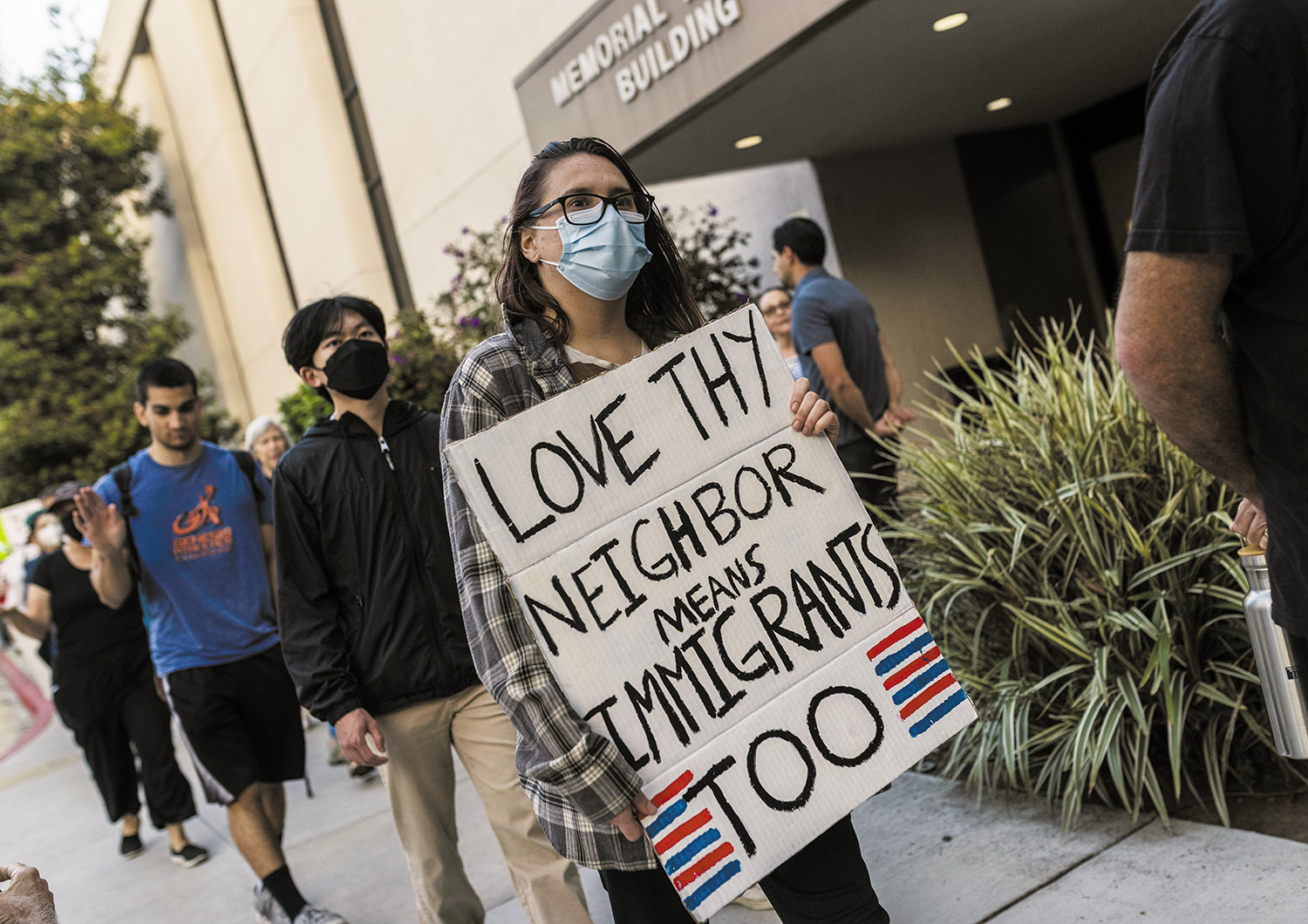
A study recently published in the journal JAMA Internal Medicine found that physicians caring for immigrant patients are enduring moral injury because of the increase in arrests, deportations and immigrations enforcement under the Trump administration.
Since January 2025, U.S. Immigration and Customs Enforcement, part of the Department of Homeland Security, has been heavily enforcing immigration laws, including through targeted roundups on some cities and by detaining people with pending asylum cases.
The study, based on interviews with 38 doctors, defines moral injury as the distress clinicians experience when providing care that conflicts with deeply held ethical values. The study found that moral injury "was exacerbated by the adverse effects of the policies on the health of immigrant and U.S. citizen patients, and by healthcare systems that limited immigrant patient support or remained silent." It also found that the distress was mitigated by supportive healthcare system responses and physician advocacy.

Dr. Marlene Martin, the lead author of the study, spoke with Catholic Health World. Martin holds several posts, including physician chief of care experience at San Francisco General Hospital and professor of clinical medicine at the University of California, San Francisco. Martin is Catholic and the daughter of Mexican immigrants. Her responses have been edited for length and clarity.
Why did you and your co-authors undertake this study?
I wanted to examine what physicians caring for immigrant patients were experiencing across the country given the changes patients made in their healthcare decisions due to chilling effects. Even without an ICE presence here locally (in San Francisco), we were seeing and hearing that patients who never miss appointments were missing their appointments.
Does moral injury among physicians have implications beyond just those individual physicians themselves?
There are so many implications for health systems and policymakers because moral injury will lead to, in the long term, physicians leaving, and replacing physicians is expensive. It takes time. And then we have this happening on top of workforce shortages. We have this on top of H.R. 1 (the federal legislation also known as the One Big Beautiful Bill that shrinks funding for Medicaid and other safety net programs). The compounding effects of all of these have deep implications for health systems.
Some of the physicians who took part in the study indicated they are immigrants, or they have relatives who are. Did the study's findings show an even higher level of strain among those practitioners?
Definitely. We found that physicians who described themselves as having immigrant identities had increased moral injury. They were worried about the implications of these policies on themselves, but they still had to go to work and provide care. They also faced moral injury by seeing what was happening to their patients and by healthcare systems that remained silent or restricted their support of immigrants. One physician described how she was the only immigrant in her health system and everyone turned to her for answers, and the burden of that also led to increased strain.
What do you see as the major findings of your study?
Patients (not only immigrant patients) being deeply affected by anti-immigrant policies which are harming their physical and mental health. For example, some are avoiding going to the emergency room, delaying procedures or referrals, or having to change their medications to minimize going to clinic.
Taken together, physicians are feeling the impacts of anti-immigrant policies as they care for patients and see how their healthcare system responds — and this is leading to moral injury. Another important finding were the factors that mitigated moral injury, such as supportive healthcare systems and advocacy and collective organizing.
Can you comment more on the study's findings related to healthcare systems and actionable strategies that they could adopt?
Healthcare systems can listen to their staff and get input on what they're doing. For example, a hospital could create a task force to develop a policy in case ICE is on campus or if you have a patient who is under ICE detainment. There's healthcare systems that are providing town halls to support their staff.
We heard from healthcare systems that partnered with local community-based organizations to support immigrant patients. So action doesn't have to rely on the healthcare system alone, but the partners in that area who are often already doing the work of providing resources to patients in their communities.
What changes or response would you like to see based on the findings of the study?
I would like to see healthcare systems taking actions to support the healthcare workforce. Our study focused on physicians, but we heard that many of the same feelings existed among staff, and they may have less power than physicians and also need support.
I would also like to see policymakers support healthcare systems to continue to provide care for immigrant patients. One concrete example is ensuring that healthcare systems can bill for telehealth, so that we can continue to provide care virtually to immigrant patients afraid of coming in.
And then the last piece that I would say here is that healthcare systems and their leaders should really listen and support their workforce, to say: We see you. We are here with you. We're going to do this together.
Check out CHA resources related to immigration enforcement.