
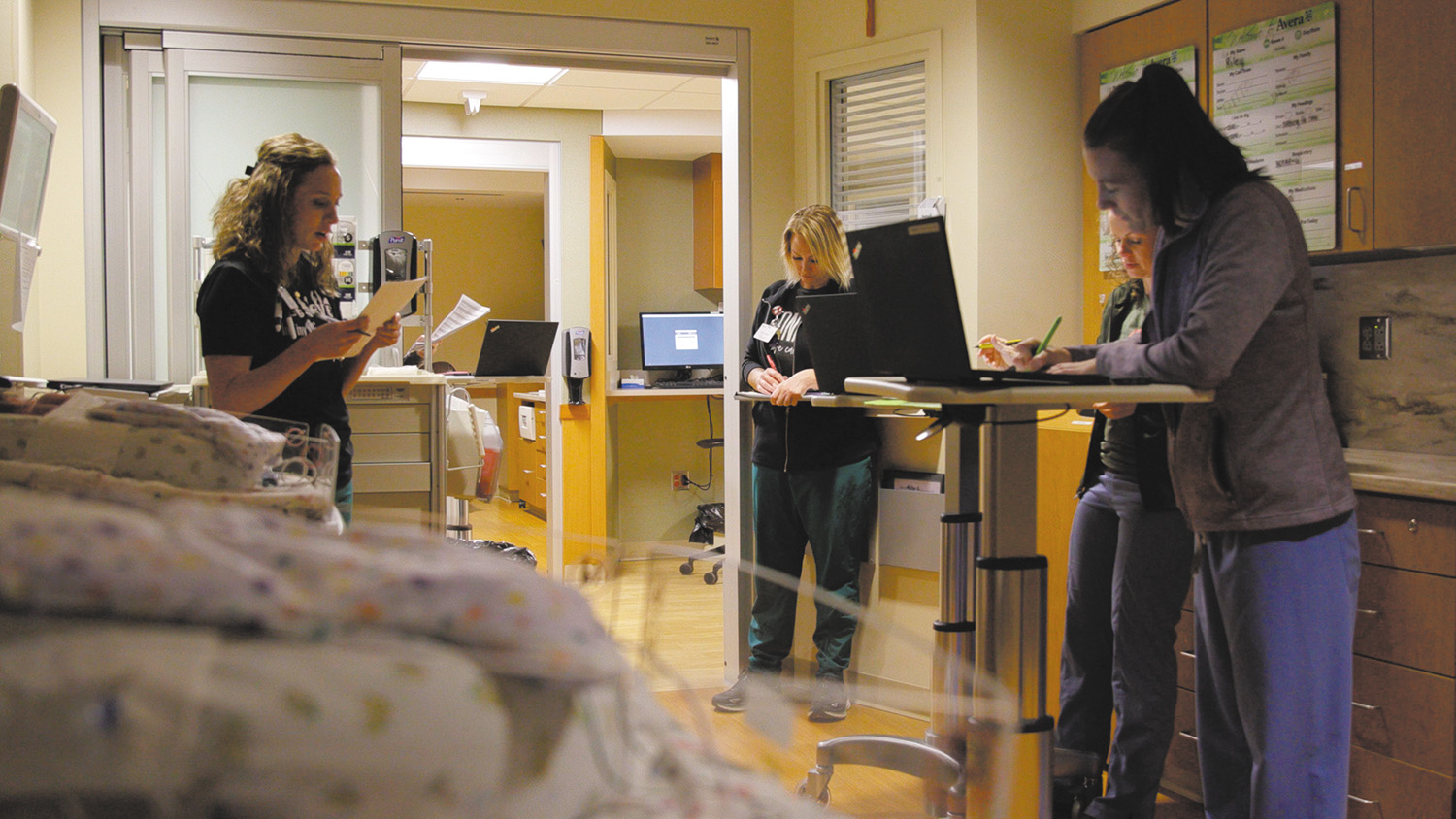
More newborns in the U.S. are requiring neonatal intensive care, and industry experts expect demand to continue to rise.
Neonatal and maternal care experts from four Catholic healthcare systems say their neonatal intensive care units reflect this trend. They say those units are responding with multipronged approaches. This includes expanding the physical space of the units, increasing staffing, improving technological capabilities, and offering programming and services to help NICU families.

CHRISTUS Health-affiliated neonatal expert Dr. Maria Pierce says NICU care today looks very different than it did even a decade ago. "The complexity, intensity, and level of commitment required from clinicians and families has grown dramatically," she says.
She adds, "Meeting this moment requires foresight, investment and a deep mission-driven approach."
No magic fix
The Centers for Disease Control and Prevention's National Center for Health Statistics says the percentage of babies admitted to NICUs has been increasing steadily nationwide.
Experts from Avera Health, CHRISTUS Health, CommonSpirit Health and Hospital Sisters Health System say likely reasons for this increase include that advanced medical technology and capability are enabling babies of younger and younger gestational ages to survive, that poor maternal health is leading to more at-risk neonates, and that socioeconomic factors are worsening the well-being of moms and their babies.
Ministry NICUs are among those seeking to determine how best to respond compassionately and effectively to the needs.
Mindy Foster, CommonSpirit Health system vice president of the women and infants service line, says to keep up with the changes in neonatal care and the increasing demand, "We're asking, how can we ensure that women get the care they need before, during and after pregnancy?" She says they find that to meet the demand, "the care model across the U.S. is going to have to evolve. There is no magic fix."
Dr. Maria Barber, an Avera Health neonatologist, says to keep up with the demands, NICUs need more clinicians with increasingly high levels of skill, education and experience and with certifications in specialized care.

Pierce says as medical knowledge has grown and the standards of care have changed, CHRISTUS Health NICUs are continually evolving their care protocols and assembling teams that can carry out those directives. Pierce is clinical assistant professor, Baylor College of Medicine, and system director of neonatology, CHRISTUS Health in San Antonio and New Braunfels.
Kathy Donovan, HSHS senior vice president and chief operations officer, notes that preserving top-quality care in NICUs throughout the ministry is particularly important since the closure of rural facilities makes central NICU hubs ever more essential. Her colleague Dr. Beau Batton, HSHS St. John's Children's Hospital neonatology chief, notes that the dynamics of rural medicine today also are impacting NICU admission rates. He explains that "at St. John's, about 40% of NICU admissions are from rural counties. With recent obstetrical ward closures in Illinois, approximately two-thirds of the state is more than 30 minutes from a delivering hospital. Many communities also have limited access to high-quality prenatal care. These factors — combined with a rising incidence of pregnancy-related conditions such as hypertensive diseases and gestational diabetes — means that pregnant women residing in rural communities often present to an obstetrical hospital in an advance state of disease in which there are few options other than to deliver the baby preterm."
Dr. Mark Bergeron, CommonSpirit Health physician system vice president of the women and infants service line, says that it remains key in these efforts to ensure the best interests of the NICU families are at the heart of all decisions.
Each system has its own way of doing so.
Feed and grow near home
Two of HSHS' 13 hospitals across Illinois and Wisconsin have NICUs. Both HSHS St. John's Children's Hospital in Springfield, Illinois, and HSHS St. Vincent Children's Hospital in Green Bay, Wisconsin, have Level III NICUs. (There are four levels of NICU care, with Level IV being the most advanced.)
The HSHS NICUs have responded to growing demand for their services with expansions. St. John's completed an $11 million expansion in 2021 that doubled its capacity; and St. Vincent is in the midst of a $17.2 million renovation that will be complete in about a year. The expansions allow for more private rooms and more amenities for families.

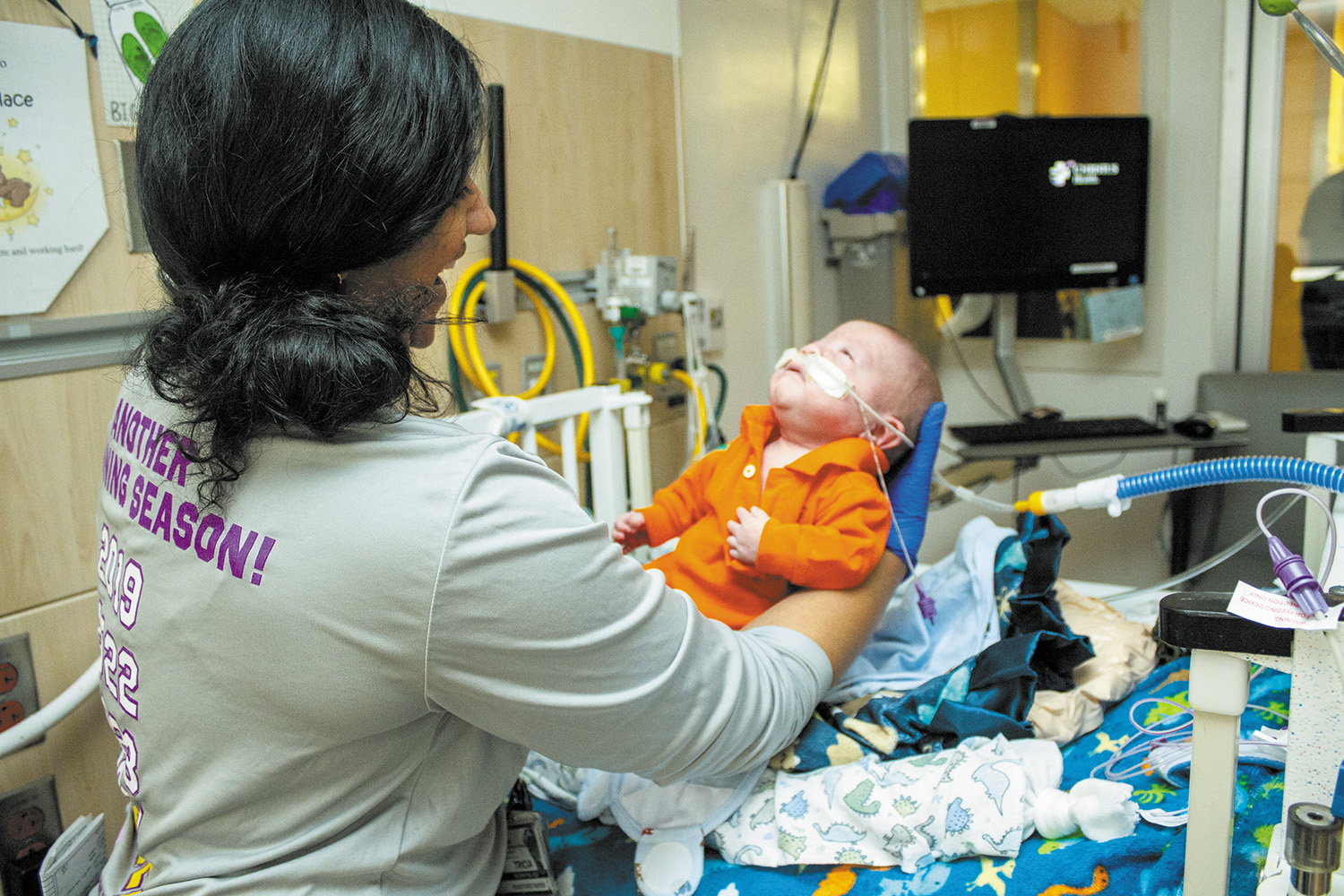
Donovan notes that in addition to the physical space expansions, these NICUs have bolstered their capabilities to serve as hubs for rural healthcare facilities in their regions. A goal is that once babies from rural areas are stabilized in the HSHS units, they can transfer back to their home communities to "feed and grow," says Donovan. The HSHS team provides support to those rural communities' clinicians to help with the process.
Telemedicine backbone
Avera Health, which has 38 hospitals in South Dakota, Minnesota, Iowa and Nebraska, also operates as a hub with rural facilities as spokes. The Level III NICU at Avera Children's Hospital in Sioux Falls, South Dakota, provides extensive telemedicine services to rural communities in its region.
A construction project slated to end next year will expand the NICU from 42 to 60 beds and add shelled space for future growth, while also expanding women's and children's services. Barber says in undertaking this expansion and other improvements since her 2019 arrival, the NICU team has worked to give families privacy and space.
She says Avera's NICU has been bringing on increasingly specialized clinicians, improving the electronic medical record, adding advanced technology such as bedside ultrasounds, and making other changes to improve that NICU's capabilities.
The family as team member
CommonSpirit has 158 hospitals in 24 states, and 52 of those hospitals have NICUs of varying levels of care capabilities. Foster says there are more than 84,000 births a year across the CommonSpirit ministry.
Bergeron and Foster say that many of CommonSpirit NICUs have been building up their capabilities as hubs by bringing in clinicians with specialty expertise and advanced training, by expanding the facilities' telemedicine capabilities, and through the advancement of standards of care.
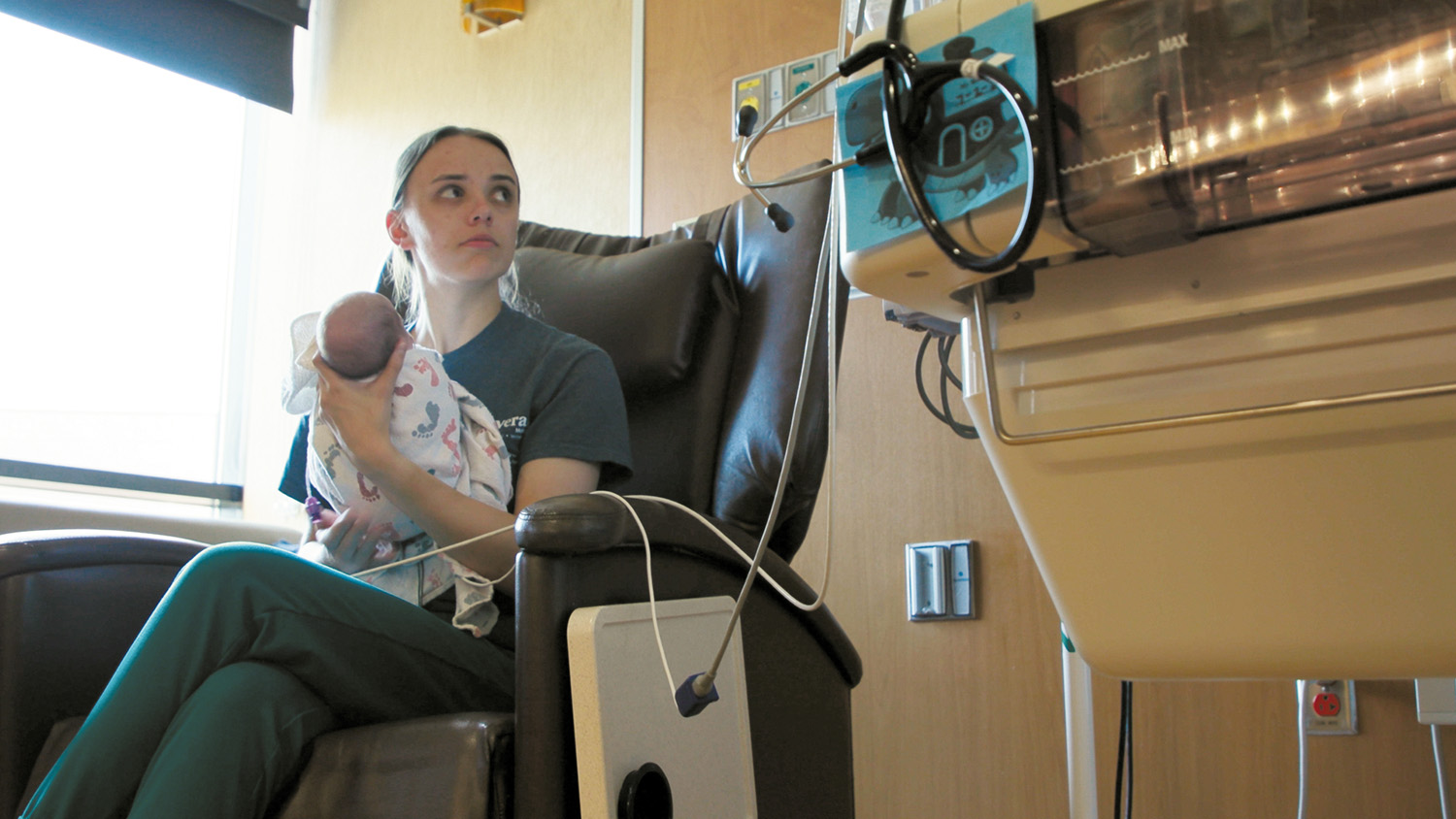
Bergeron and Foster say an area of particular focus is personalizing care and making it more family centered. CommonSpirit sites are maximizing NICU families' role as part of the care team, so they'll be well prepared when it is time for their baby's discharge. And, with the prolonged lengths of stay in NICUs nationwide, the CommonSpirit facilities are paying close attention to those families' well-being. This includes ensuring optimal comfort in the spaces where families gather and where they sleep while staying with a baby who is in the NICU.
Demand multiplier
CHRISTUS Health operates about five dozen hospitals across four southern states and in South and Central America. Pierce works in CHRISTUS' south Texas region, which has three NICUs. CHRISTUS Children's in San Antonio is a Level IV NICU, CHRISTUS Santa Rosa Hospital — Westover Hills opened in 2012 and is transitioning its NICU from Level II to Level III status; and CHRISTUS Santa Rosa Hospital — New Braunfels opened in 2012 and has a Level II NICU.
Pierce says the addition of the two suburban facilities and their NICUs 14 years ago was in response to rapid population growth in the San Antonio metropolitan area, and that continued population growth has multiplied demand for NICU care. The facilities have been working to boost their capabilities in response and now offer therapies that in the past would have required babies to be transferred to a higher-level NICU.
The three south Texas NICUs have concentrated on early engagement of expectant moms, coordinated perinatal care planning, and aligned maternal care with social support and early intervention to improve outcomes.
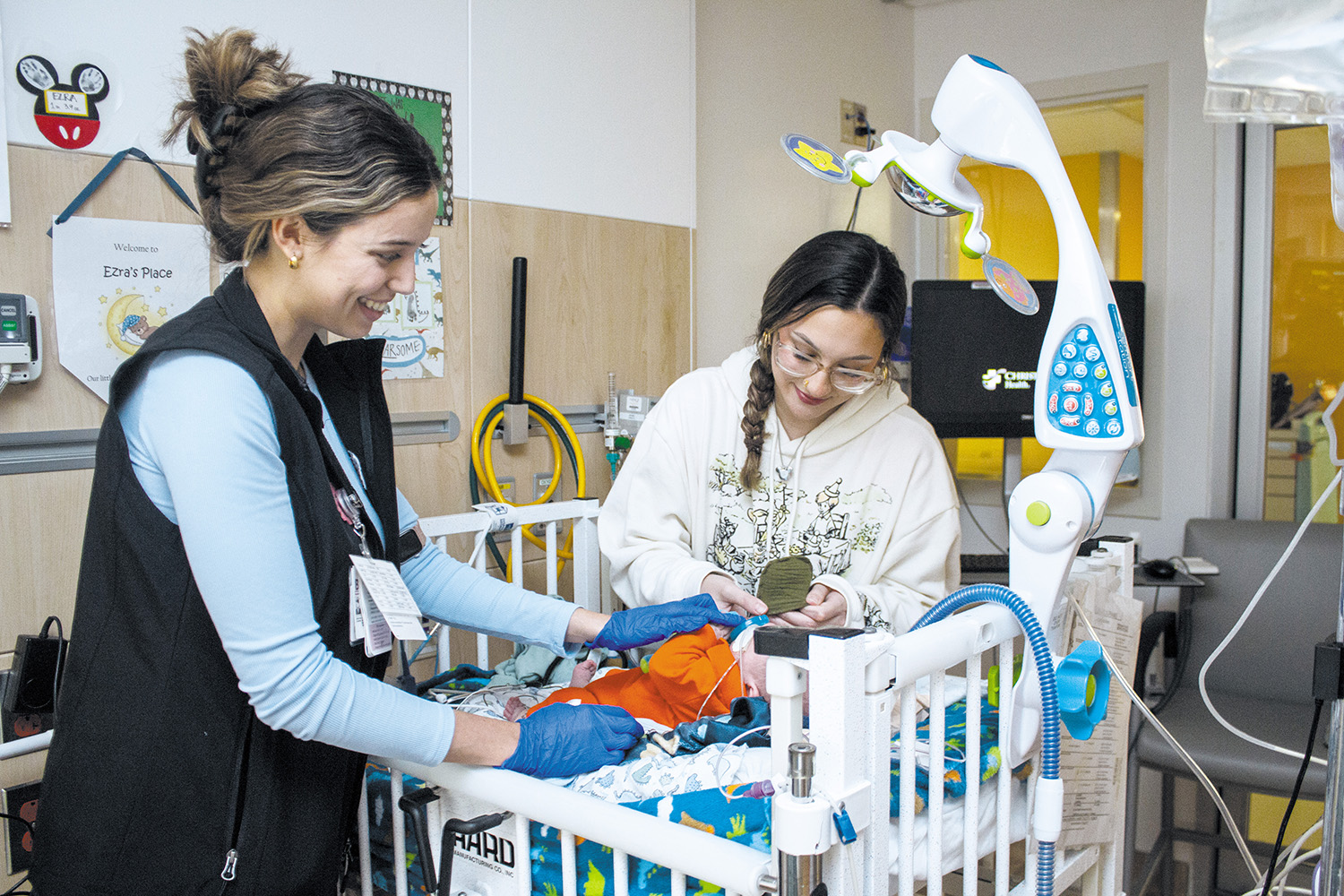
Pierce acknowledges that being a NICU family can be tough, but says, "our emphasis on specialized integrated care and dedicated clinical teams stands out. By intentionally designing care around the most vulnerable infants, we deliver highly individualized treatment while supporting families through one of the most difficult experiences they will ever face."
Further reading: In line with national trends, ministry facilities see increased demand for neonatal intensive care