
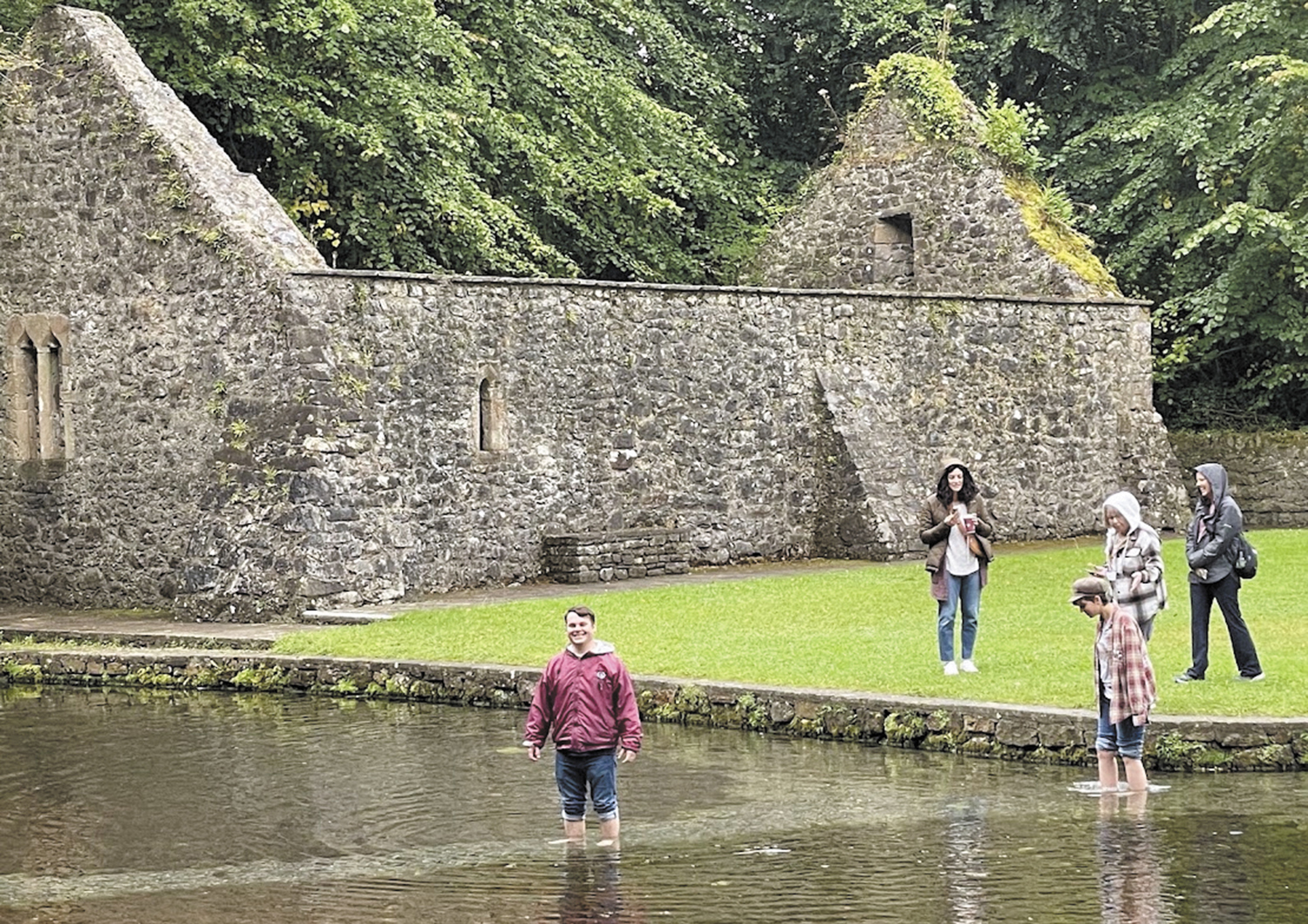
Multiple Catholic health systems have found that a particularly effective way to accomplish these goals is to connect their leaders to their systems' origin stories through pilgrimages. By immersing these pilgrims in places of historical and spiritual significance, and enabling them to experience the roots of the ministry in a highly experiential way, the systems can help them see their place in that legacy.
Executives from five Catholic healthcare systems explain:
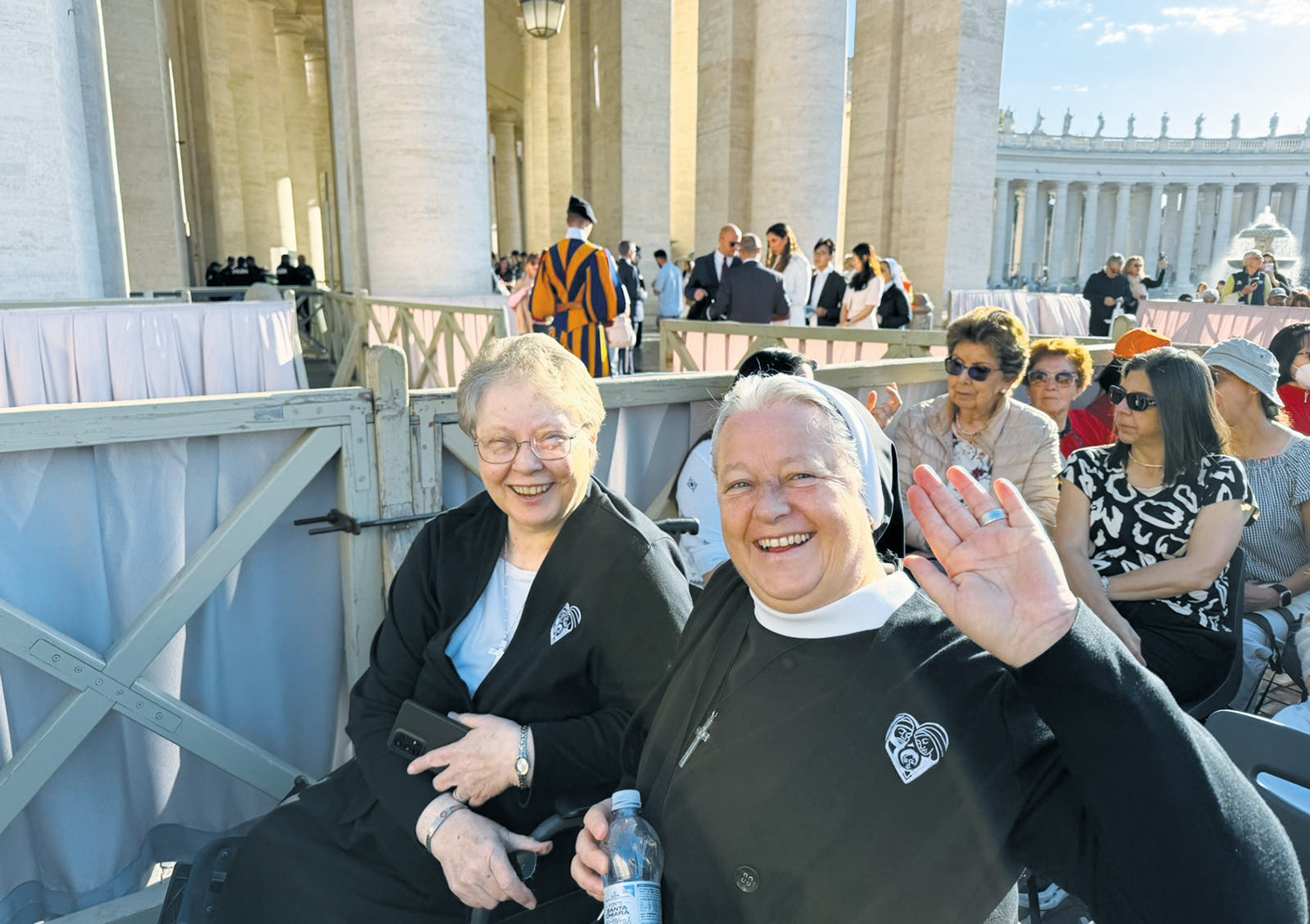
CHRISTUS Health, which has nearly four dozen hospitals and hundreds of outpatient facilities across three states and three other countries, traces its origins to the Sisters of Charity of the Incarnate Word of Houston and of San Antonio and the Sisters of the Holy Family of Nazareth.
At the urging of Galveston Bishop Claude Marie Dubuis, the Incarnate Word sisters journeyed from France to Texas in the late 1860s to found South and Central Texas ministries. The Holy Family sisters, who hailed from Italy and after initially serving in Chicago, traveled to Tyler in east Texas to establish ministries.
About every other spring, CHRISTUS hosts several dozen leaders of its ministries and sponsoring congregations to visit places within France and Italy with historical significance for the Catholic Church and for the founding sisters. It's a packed agenda, with stops at the birthplace of Bishop Dubuis in Coutouvre, France; the Lyon, France, site where three Sisters of the Incarnate Word and Blessed Sacrament received the call to serve in Texas; ancient sites of martyrdom in Lyon; and a onetime public hospital in Lyon that is now a hotel. In Rome, the group visits the church of St. Mary Major, where Frances Siedliska often would pray. Once she became a sister, she was known as Mary of Jesus the Good Shepherd. She is now in the final process of canonization, and is Blessed Mary of Jesus. She was the founder of the Sisters of the Holy Family of Nazareth.
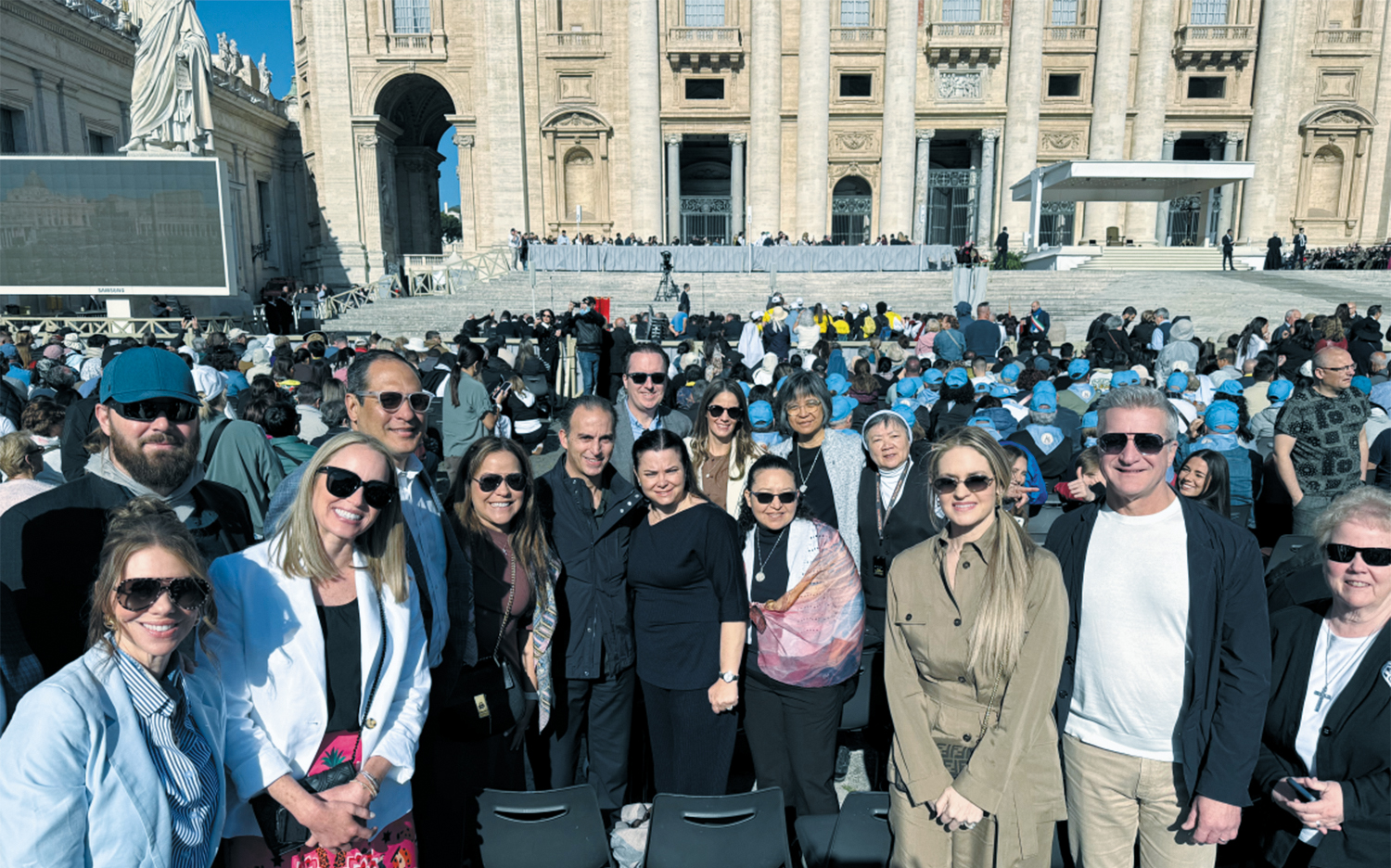
Gabriela Saenz, CHRISTUS executive vice president, chief of staff, says a highlight of the journey is that sisters with CHRISTUS' sponsoring congregations serve as storytellers. Participants process the experiences through prayer, reflections, circle time and moments of solitude.
Saenz says the pilgrimage solidifies leaders' calling to Catholic healthcare. She explains that for the pilgrims, there is growth that comes from "opening yourself up and walking in those footsteps. And so, I feel like they come back with a deeper sense of pride and also a deeper sense of accountability and responsibility."
CommonSpirit Health
Kyle Klosterman is system senior vice president of mission and formation for CommonSpirit Health, which has 141 hospitals and more than 2,000 additional sites across 24 states. The system is the result of multiple mergers and has 17 founding congregations, each of which has multiple orders that shaped CommonSpirit facilities' evolution. The challenge, Klosterman says, is to find a way to immerse leadership in the legacy of so many founders. Currently, the system is rotating among key sites of significance, and its regions have their own local pilgrimages.
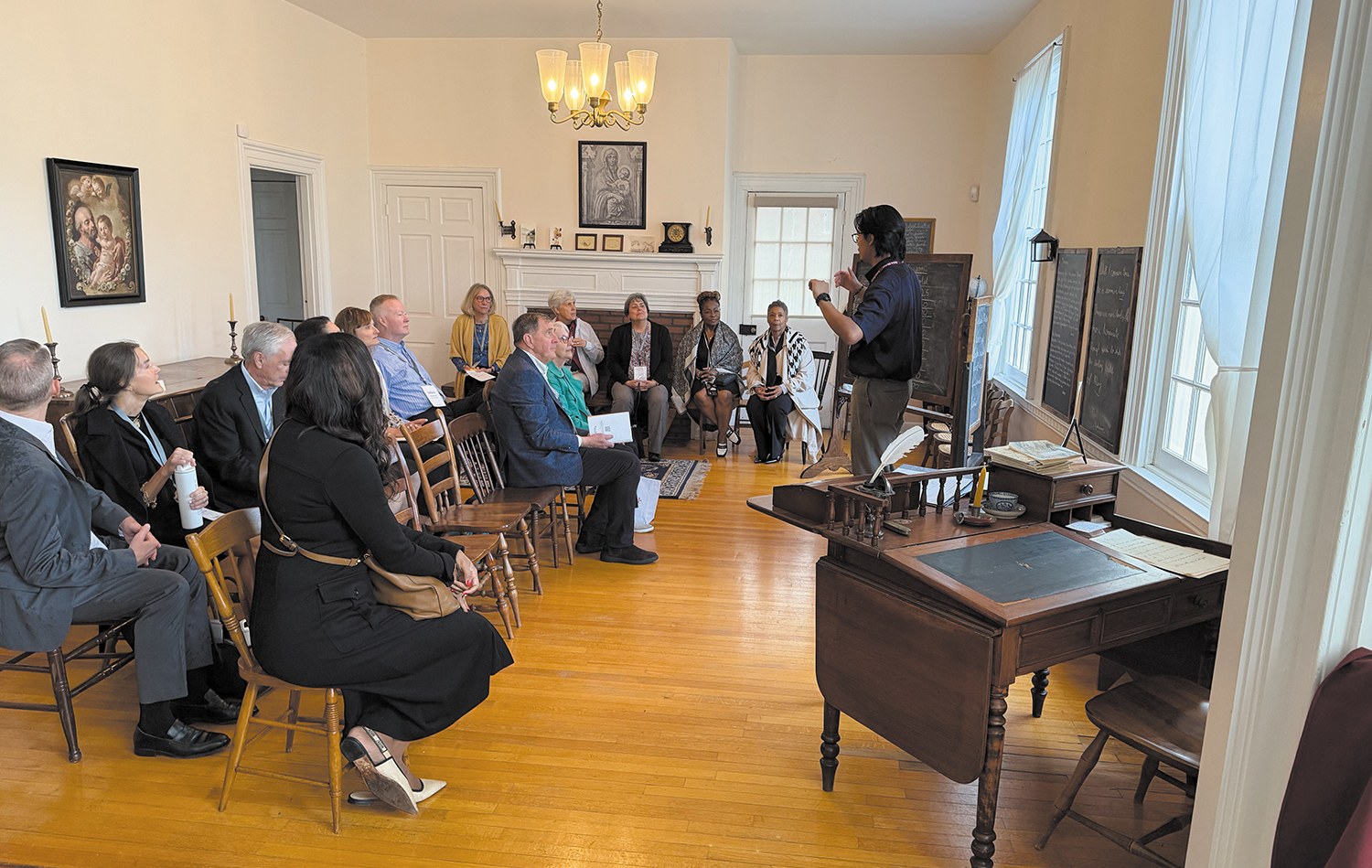
During several days in the Emmitsburg area, the CommonSpirit sponsors and executives visited the saint's home, which was once used as a school and now houses a museum. The pilgrims also visited her nearby grave site. They spent time at a center, a shrine and a basilica dedicated to her memory. The CommonSpirit group's journey included tours, presentations, reflections, religious services and social gatherings.
Klosterman says for all its formation activities, including its pilgrimages, CommonSpirit seeks to engage participants' heads with factual learning, their hearts with spiritual learning and reflection, and their hands with lived experiences such as the tours.
He notes that participants come to the pilgrimage with a range of backgrounds. For those new to Catholic healthcare, it is about "just getting them exposed to a broader sense of the church and the church's ministry." For seasoned Catholic healthcare sponsors and leaders, he says, "it was really about strengthening and sustaining their own spirituality and worldview to this call to the healing ministry within the Catholic tradition."
Dan Ensell, senior vice president of mission integration for suburban St. Louis-based Mercy, says that as the last large Catholic health system with a single founding congregation, it is important to Mercy to ensure its leaders and sponsors understand the system's foundations. Catherine McAuley established the Sisters of Mercy in 1827 in Dublin. A contingent of Mercy sisters traveled to the U.S. in 1843 and went on to found healthcare and social service ministries. Many of those now make up the Mercy system that includes 55 hospitals and thousands of other sites across five midwestern states.
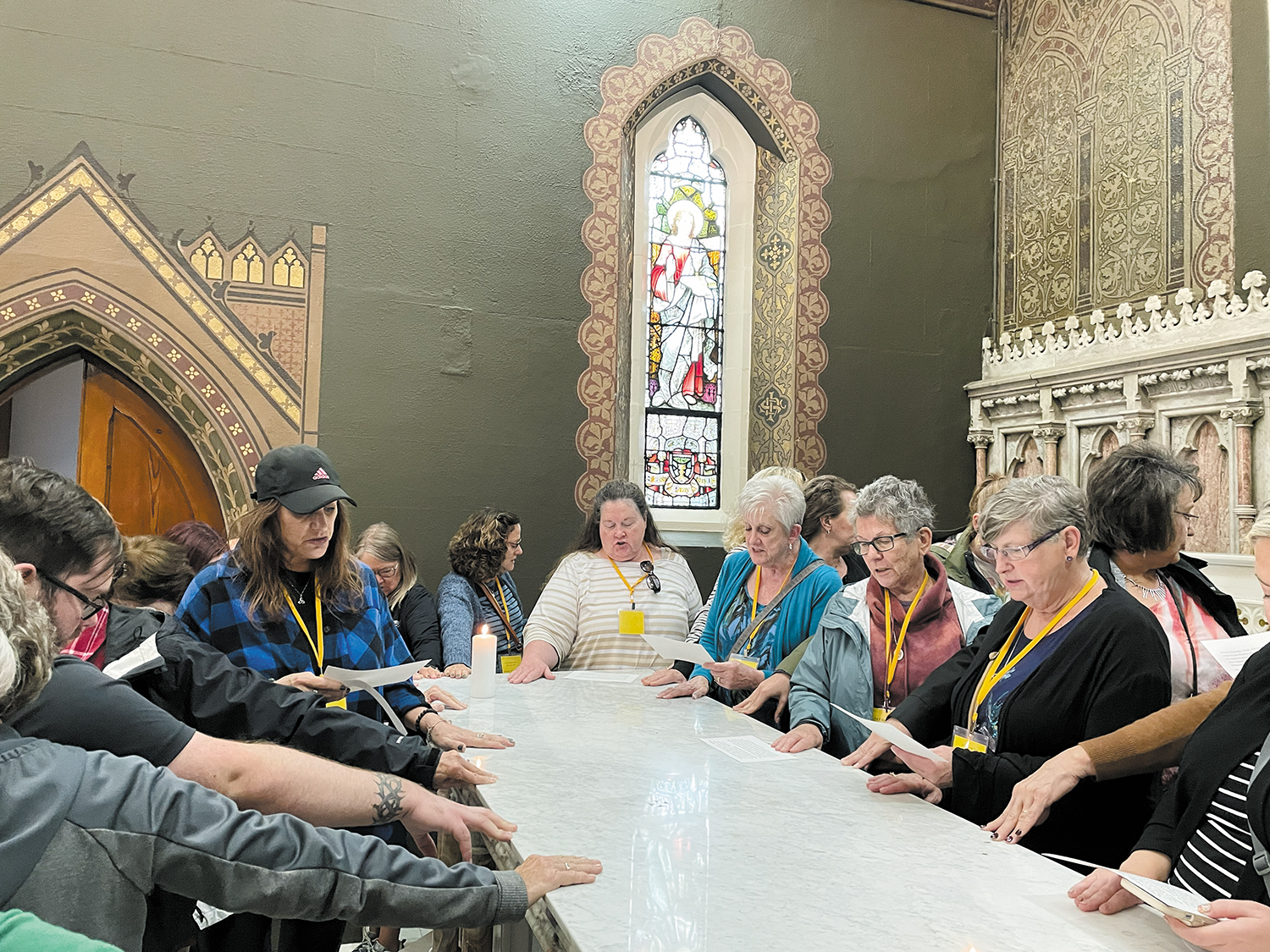
Mercy hosts two pilgrimages to Ireland annually, one for executive leadership and the other for frontline caregivers recognized for exemplary, mission-based service. While the two pilgrimages vary and each differ with each iteration, both are heavily focused on Dublin and surrounding areas. This includes homes where Mother McAuley lived, the House of Mercy that she founded to serve the vulnerable, and a church where she and other sisters often attended Mass. The longer iteration of the pilgrimage visits other Irish cities exploring the roots of the Catholic Church on the Emerald Isle.
Sr. Claudia Ward, RSM, program manager of Mercy Neighborhood Ministries, says both pilgrimages offer participants an opportunity to walk where Mother McAuley carried out her ministry. Present-day Sisters of Mercy including Sr. Ward provide insights, historical perspectives and spiritual experiences. Prayer time, Masses, reflections, and time for solitude are all woven into both pilgrimages. Sr. Ward says that during each, serendipitous "God moments" arise. One year, a Mercy sister decided to type Mother McAuley quotes onto slips of paper for attendees to keep for personal reflection and integration.
Ensell notes, "Healthcare is sacred work but unfortunately sometimes in our busy-ness... we forget why we said yes to this work in the first place. We've made a commitment to serve and to do something meaningful with our talents. We get into this work but can lose the why...."
He adds that on the pilgrimages, Mercy reminds the leaders that what they are doing really matters.
"We need leaders who get this," he says.
Providence St. Joseph Health
With 51 hospitals and more than 1,000 outpatient sites across seven western states, Providence St. Joseph Health hosts multiple pilgrimages to honor the legacies of the system's two main founding congregations, the Sisters of Providence and the Sisters of St. Joseph of Orange.
Justin Hurtubise, chief mission officer for Providence Sacred Heart Medical Center & Children's Hospital and Providence St. Luke's Rehabilitation Medical Center in Spokane, Washington, says that two particularly developed pilgrimages are in the Spokane region.
The Sisters of Providence Pilgrimage and the Dominican Pilgrimage are each full-day immersive bus tours. The Providence sisters tour travels between Spokane and Cataldo, Idaho; and the Dominican tour between Spokane and Colville, Washington.
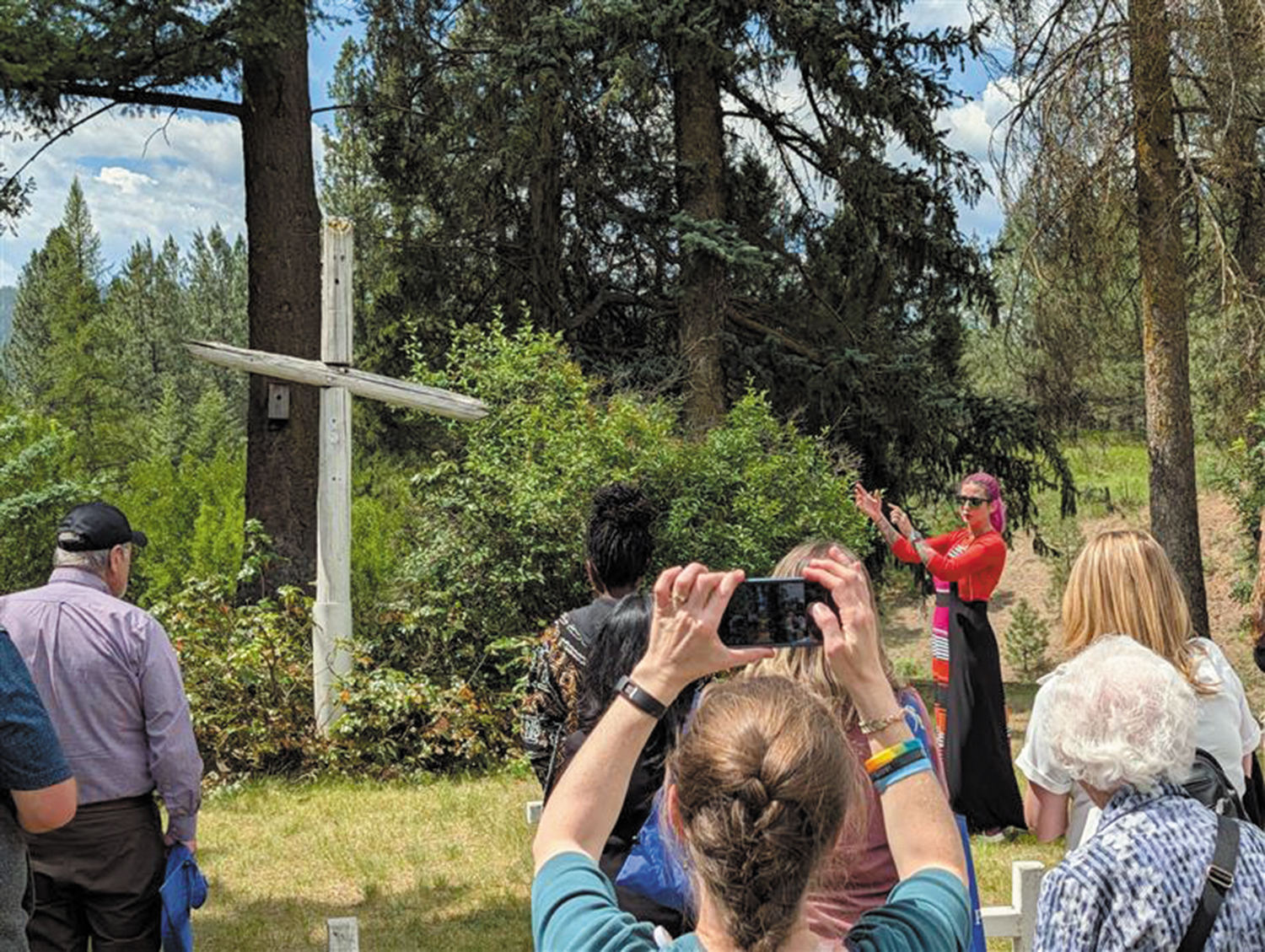
It is usual for current-day members of the congregations to join the bus tour to share in the storytelling.
Hurtubise says the experience helps bring the congregations' historical and spiritual legacies to life for leaders. He says the Spokane region has invested much time and effort into developing these pilgrimages because of the essentiality of grounding the leaders in the sisters' heritage.
Colleen Fox, chief philanthropy officer of the Providence Inland Northwest Foundation, says an anonymous donor has committed about $10,000 annually to support the Spokane region's pilgrimages. She says the person has a passion for the sisters' work. This donor wants to ensure the pilgrimages are preserved for leaders even amid rough financial times, when they might otherwise be deprioritized for lack of funds.
With its 24 hospitals and hundreds of additional sites across Illinois, Missouri, Oklahoma, and Wisconsin, SSM Health traces its founding legacy to the Sisters of St. Mary, who later became known as the Franciscan Sisters of Mary. Other congregations that later joined SSM Health include the Felician Sisters and the Congregation of Sisters of St. Agnes. Both the Franciscan and Felician sisters have a legacy that honors St. Francis and St. Clare of Assisi. So, forming leaders in the spiritual tradition of St. Francis and St. Clare is a priority for SSM Health, says Vice President of Formation and Spirituality Joshua Allee.
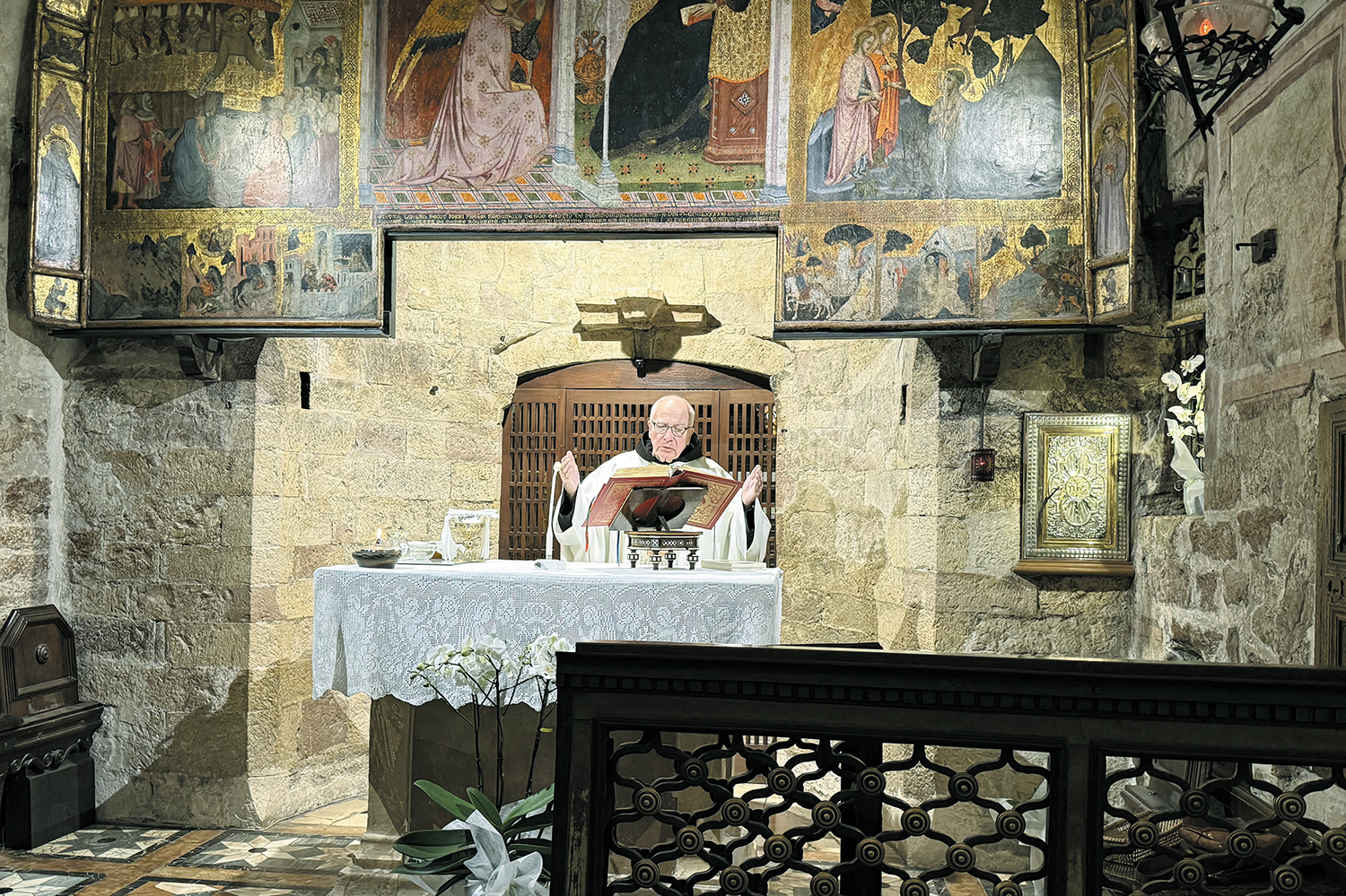
The preeminent pilgrimage for executive leadership and sponsors is an annual 10-day journey to Rome and Assisi in Italy. The focus of the experience is Assisi, which Allee lovingly calls the "mothership" of SSM Health's Franciscan roots and the Franciscan order.
St. Francis was born to a wealthy family in the late 1100s in Assisi during turbulent political times. He turned away from that privilege to serve the poor and vulnerable. Eventually, he amassed a group of followers who became the Franciscan Orders. St. Clare left her life of privilege to form a congregation of women following St. Francis' way, called the Poor Clares.
In Assisi, the SSM Health leaders visit the places where St. Francis had a vision of Jesus in the chapel of San Damiano, another where he confronted his father to renounce his wealth and another where he encountered a leper colony that would serve as his home for an early part of his ministry. Allee says guides provide historical and spiritual context for each stop. Many of the stops include experiential learning. For instance, pilgrims reenact St. Francis' renunciation of his wealth.
Allee says the pilgrim experience is immersed in prayer, daily Masses and ongoing discussion and integration.
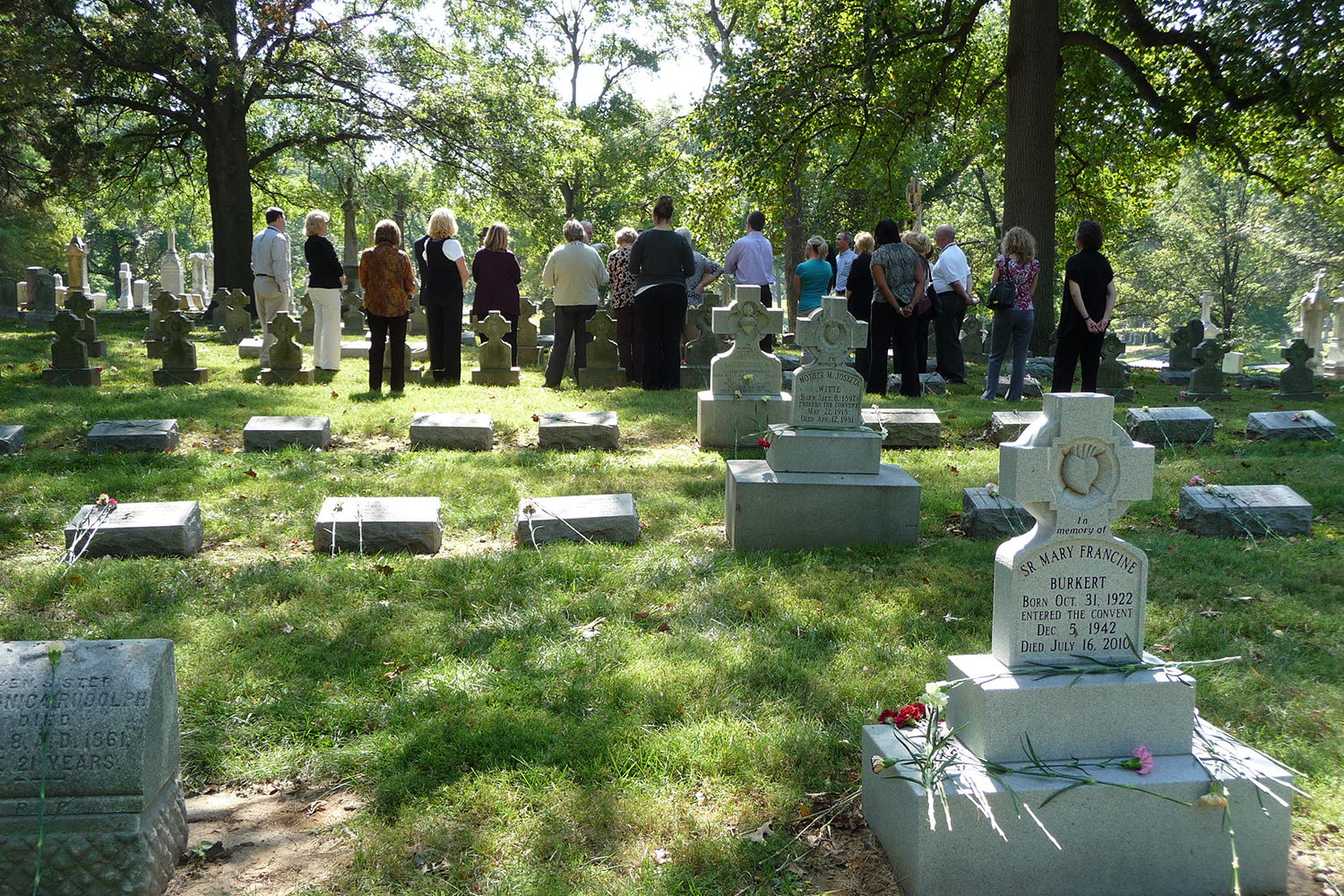
Allee mentions that SSM Health also hosts the St. Louis Heritage Pilgrimage, where SSM Health leaders can walk in the footsteps of the early sisters amid sites of importance. SSM Health offers pilgrimage experiences in each of its regions.
He adds that being a leader in the ministry is "an enormous responsibility, and if you don't really grasp who we are and why we are the way we are, it's hard to lead in that tradition and spirit. And so that's why I think the outcomes, or the (return on investment), it's really hard to measure, but we experience it."
FURTHER READING: During annual pilgrimage to Italy, ministry executives deepen their understanding of their call to lead in Catholic healthcare