
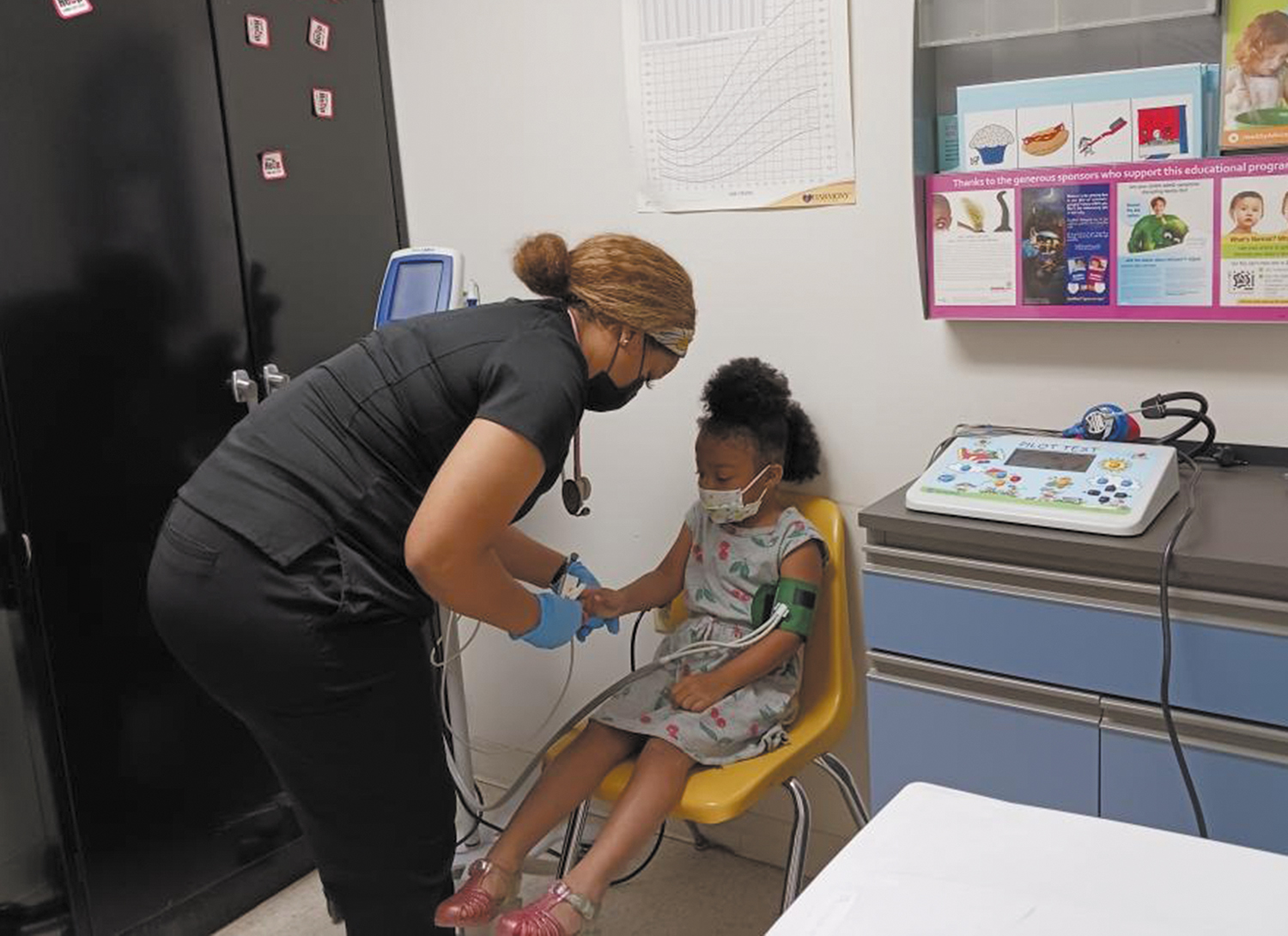
Uninsured and underinsured people face significant barriers to accessing specialty care. In St. Louis, specialty care access has improved for many people since Missouri expanded Medicaid in 2021. Yet, many patients still fall through the cracks.
SSM Health, which has eight hospitals and a network of outpatient facilities in the St. Louis area, is part of the St. Louis Integrated Health Network, a regional collaborative of safety net providers. The providers work together to better understand the health care needs — including specialty care needs — of marginalized St. Louisans and the barriers they face to accessing that care. The network also coordinates care for these patients.
Members of the network agree that the specialty care access challenges that marginalized people face are complex, multilayered and intractable. They say it's essential for the partners in the network to be intentional and dogged in ensuring they provide extensive support.
"There is not always a clear path for everyone to be able to access specialty care," said Karen Bradshaw, regional director of community health for SSM Health — St. Louis and Southern Illinois. She said in large part the issues are related to the "complexity of the health care system in the U.S. It's hard to navigate that complexity."
But, nonetheless, it's essential to help patients with that navigation, said Aramide Ayorinde, because "for the whole system to work, we need both primary care and specialty care." Ayorinde is CEO of the Family Care Health Centers, a system of federally qualified health centers that is part of the Integrated Health Network.
Expansion eases access
According to the Centers for Medicare & Medicaid Services, specialties are areas of medicine or groups of patients with specific symptoms and conditions. Some examples are oncology, cardiology, orthopedics, obstetrics, endocrinology, gastroenterology, and neurology, among numerous others. Bradshaw noted that she considers behavioral medicine to be a specialty.
The "Access to Care Data Book" from the St. Louis Regional Health Commission says in 2020 about 262,000 people from a population of about 1.3 million in St. Louis and St. Louis County were in the safety net population. This included uninsured and underinsured St. Louisans.
For more than a dozen years, Bradshaw has worked in various capacities addressing the health care needs of this population. She said, as has been common nationwide, it long has been extremely difficult for people in St. Louis' safety net population to access specialty care. That is in part because there has been a perpetual shortage of providers in many specialties.
Since Missouri expanded Medicaid eligibility four years ago, Bradshaw said, more people have a reimbursement source for specialty care, which has improved their access. But, she said, even those insured under Medicaid still face barriers; and people with no insurance — including undocumented immigrants — face formidable challenges to specialty care access.
Prohibitive costs
Getting and keeping Medicaid is an ongoing challenge. Bradshaw said many people do not know they are eligible to receive Medicaid, and so they go without insurance when they don't have to. For those who are enrolled in Medicaid, if their income rises, they can lose coverage. Meanwhile, federal funding cuts are targeting the Medicaid program, so access could be further threatened.
Dr. Melissa Tepe is vice president and chief medical officer of Affinia Healthcare, a St. Louis FQHC that is part of the Integrated Health Network. "There can be high deductibles and high co-pays, and that can lead to patients struggling with financial challenges," she said. "The challenges can be overwhelming for patients."
Fear of these costs can cause patients to delay getting specialty care. Tepe said the delay can cause people to be less engaged with the system, which can mean that health conditions can fester dangerously.
Moreover, it can be difficult for uninsured and underinsured people to find specialists who are taking new patients, and especially those without insurance.
'Fog of poverty'
Dwayne Butler, who is CEO of the Betty Jean Kerr People's Health Centers FQHC, said another category of challenges relates to "the socioeconomic issues of patients, which are most prominent when they are dealing with the fog of poverty."
He explained that for impoverished people, "it is difficult to predict what tomorrow will bring. Their lives are unstable." They are dealing with issues connected with so many social determinants of health that they are unable to prioritize seeking care.
Dr. Saida Kent is a hospitalist at SSM Health Saint Louis University Hospital. Most of the patients she sees are uninsured or underinsured. She said they face an almost inexhaustible list of social determinants that can interfere with their ability to seek specialty care and to comply with the medical guidance and self-care instructions of specialists. For instance, if people have no reliable transportation, they can struggle to get to appointments. If they are food insecure, they may not be able to comply with healthy eating instructions. If they don't have walkable sidewalks, they may not be able to follow clinicians' advice to exercise. "It can be emotionally draining for patients," Kent said.
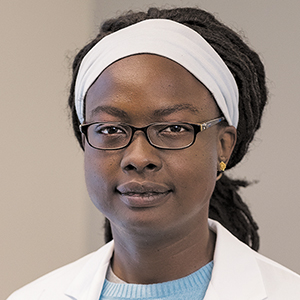
Tepe pointed out that the working poor may not have a job that allows for paid time off to go to medical appointments.
Health illiteracy
Tepe also said many marginalized patients don't understand the complex specialist care system. When they leave the familiar FQHC primary care environment, they don't know how to navigate the web of providers who may be involved in their care.
Immigrants and refugees especially may have trouble understanding which specialists they need to see, where those providers are located, how to set up appointments, and how health care is paid for, Ayorinde said. Language barriers might prevent them from understanding what is said about their condition and treatment plan.
Kent said these and other concerns lead to real anxiety for patients trying to access specialty care. "If you're just surviving, it's hard to understand the process," she said. "And maybe if you're entering a new system, you worry about the paperwork. And it's hard to understand how much will be covered. It's stressful not knowing if you'll be taking home a bill you can't pay."
Butler said that the safety net population already has worse health indicators than the privately insured population. So, they are more vulnerable to the impacts of missing out on specialty care. "They are much sicker" than the broader population, he said.
He added that "it is hard to get a lot of the people in the safety net population into primary care, and even more difficult to get them in specialty care. But it is really important that we do get them into that specialty care."
Further reading: SSM Health and regional partners work together to ease vulnerable patients' access to specialty care