
ST. LOUIS - Artificial intelligence is impacting virtually every sector of society, and its use is sure to increase exponentially. Most healthcare providers are embracing the technology and learning ever more ways to use it.
But how can ministry providers understand the potential pitfalls of using this technology? And how can they ensure they are using it in a way that advances, rather than undermines, their mission?
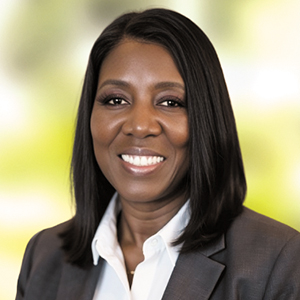
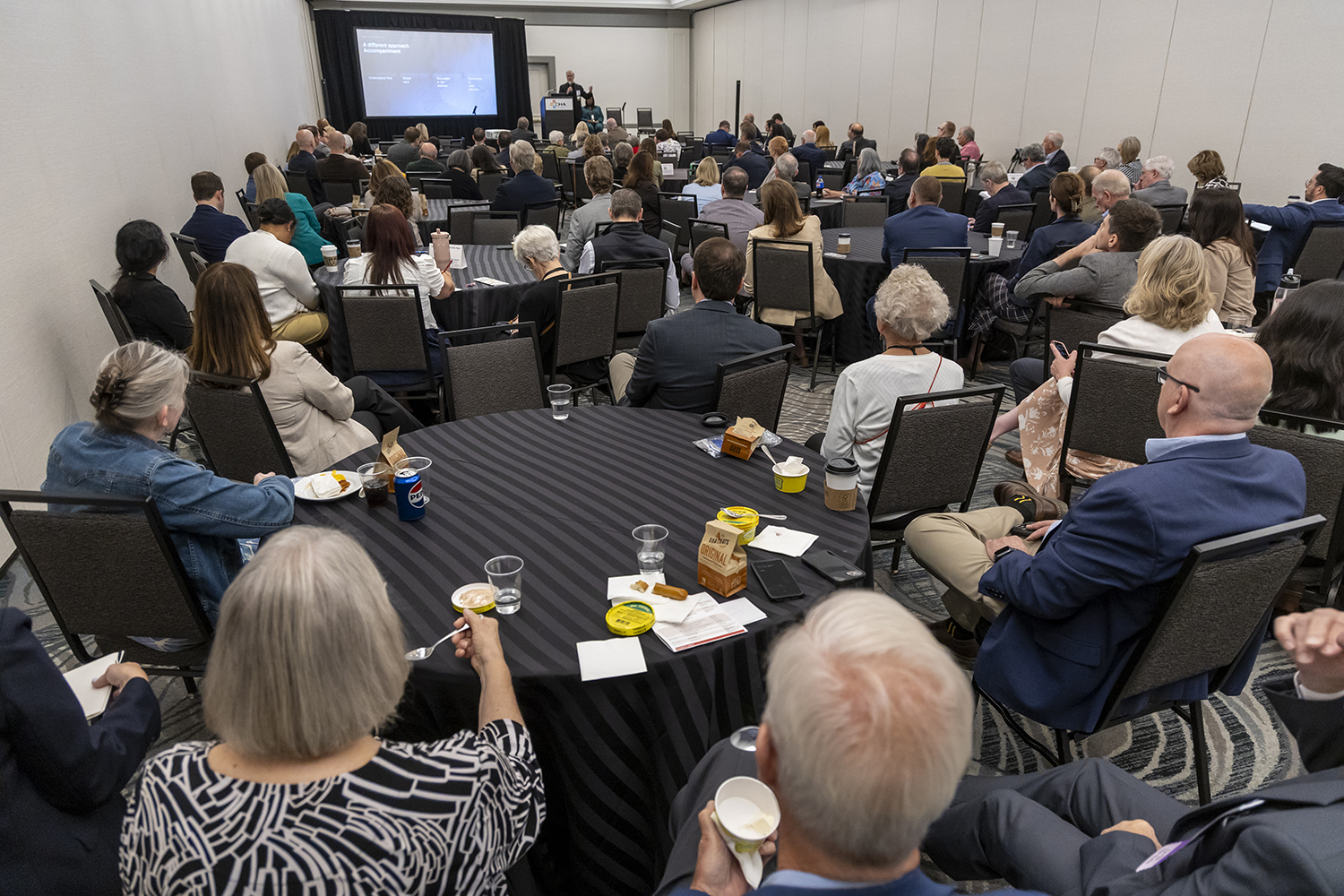
These are some of the questions that two ministry representatives and a vendor pondered during the breakout session, "The Perils and Promises of AI in Catholic Health Care," at the 2026 Catholic Health Assembly. The panelists were Avera Health Chief Legal Officer and General Counsel Richard Korman, Bon Secours Mercy Health Chief Marketing Officer Sandra Mackey, and Brado AI CEO Andy Parham. Brado AI is a marketing and consulting firm that focuses on the digital world.
During the presentation, Mackey said that one way ministry providers can continue to develop trust "is to demonstrate how we can ethically use technology as a tool guided by the Catholic social teachings and the strong mission that we all believe in."
Smooth handoff
Mackey said that Bon Secours Mercy Health recognizes that AI can be a tool for great innovation.
She said just as the founding sisters did when they fielded new technologies of their day, current leaders are listening to people's needs, seeking to understand those needs, then applying the technology to meet those needs, careful to use ethical discernment throughout.
Mackey said Bon Secours Mercy Health is applying AI to help patients navigate their healing journeys. The health system is using the technology to create connectedness with patients, to smooth their transitions in the healthcare system and to make sure they don't feel alone.
Removing friction and tension
Brado AI is a technology vendor that is helping Bon Secours Mercy Health and other Catholic healthcare systems meet their goals through AI applications. Parham said the company has spent about 30 years studying how people behave online.
He noted that Brado AI and its clients understand that most people's healthcare experiences begin in digital spaces, and they are working to make sure that patients' experiences are as frictionless and tensionless as possible.
Brado AI helped Bon Secours Mercy Health develop a chatbot called "Catherine," named for Sisters of Mercy founder Catherine McAuley. That chatbot interacts with patients, using conversational language to ask questions about their needs while conveying empathy. The chatbot is transparent that it is not a human, Parham said.
He said Catherine is helping guide patients from step to step as they access care. Bon Secours Mercy Health and Brado AI have found that this chatbot gets patients to treatment faster, gets them to the correct provider more quickly than humans had in the past, and delivers a return on investment to the health system.
Wild West
Korman said Avera has been using AI to further its mission.
He acknowledged that the development and implementation of the technology generally is like the "Wild West." But, he said, in healthcare there is much promise for using AI for good if health systems and facilities remain vigilant about the threats and realistic about the benefits.
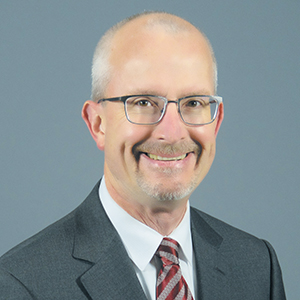
Korman surfaced many threats, such as: The technology can concentrate power in a few private hands. It is unclear how accountability can be maintained generally. Human bias and preconceived notions, woven into programming and use, could taint AI applications and cause them to function in an unjust way. Also, it can undermine and erode human encounters. It can treat patients as data.
And yet, he said, if used correctly, AI holds great potential to be beneficial. It can improve diagnostic accuracy, predict people's health deterioration and provide recommendations to help prevent that deterioration. It can be used to personalize treatment plans. AI can help reduce medical errors and unnecessary treatment. It also can reduce administrative burden, including medical documentation.
Korman said, "AI must inform decisions to the betterment of all, and we, as the individuals in charge of AI, must ensure that."
He concluded his address with a quote from Pope Leo XIV's recent encyclical, Magnifica Humanitas: "We must lovingly safeguard the grandeur of humanity bestowed upon us and revealed in its fullness in Christ, the splendor of which no machine can ever replace."