
When Providence St. Joseph Health opened the Providence Global Centre in Hyderabad, India, in 2020, the system's leadership knew from the start that they wanted the staff there to be fully integrated into the health system, engaged in its mission and immersed in its legacy, culture and values.
At the same time, leadership wanted to be sure they honored the local customs, perspectives, culture and heritage of the employees.
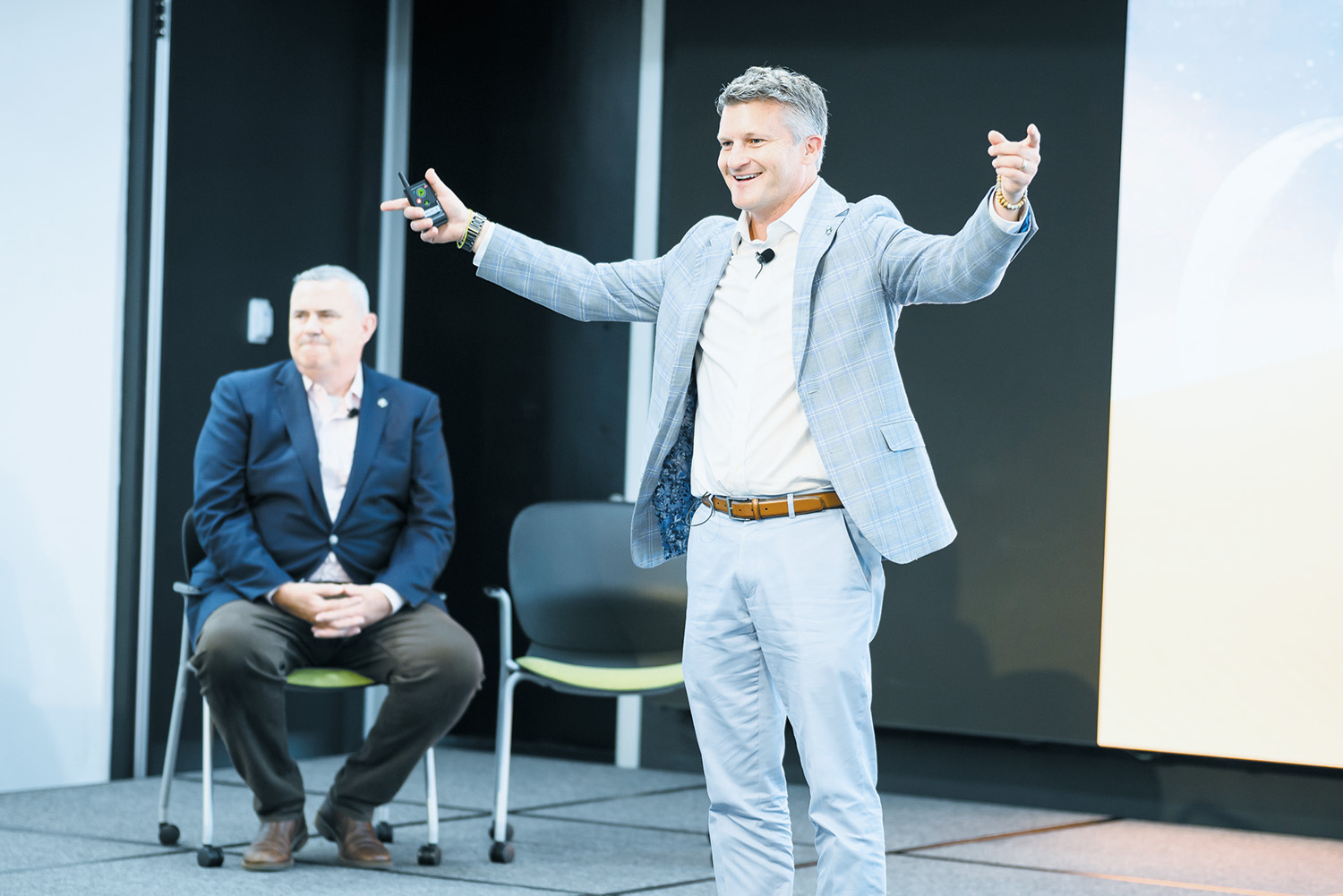
A key tool in striking this delicate balance has been formation programming from the Mission Leadership Institute, says Martin Schreiber, the institute's vice president. Just as it tailors a suite of formation programs to meet the needs of Providence's U.S. ministries, the institute has been working with Providence Global Centre leadership and the center's team of mission leaders to put programming in place. That programming helps center leadership and staff understand and focus on mission, purpose and vision, and build the strengths and skills they need to advance Jesus' healing ministry.
Schreiber says "when we work with a diversity of people, we also learn about ourselves, and we see things in a different way. As we're all on this journey together, our hearts expand. It's a transformative experience." This is all part of formation, he says.
Beacons of light
The institute staff was intentional about establishing a firm foundation for the programming by building right relationships with leadership and getting to know the leadership and staff, including through multiple in-person visits, says Schreiber.
The institute had some unique challenges in tailoring the formation program in India due to multifaith belief systems that are different from the Catholic faith, as well as varied cultures in India.
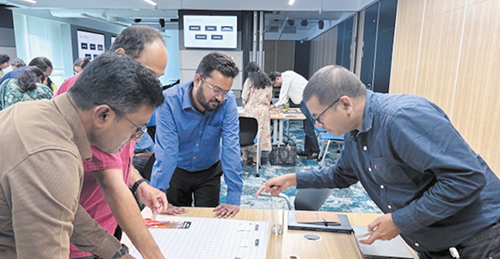
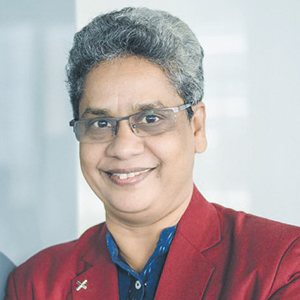
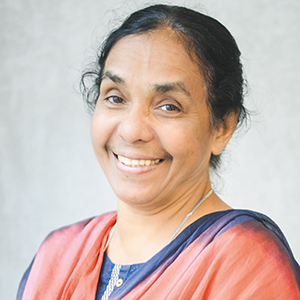
Providence hired Sr. Rani Poulose, CSJ, and Sr. Lucy Parakkattu, CSJ, to serve as the on-the-ground mission team at the Providence Global Centre, and they work closely with the center's learning and development department to implement formative programming and content. This includes the foundational leadership course, the Mission Leadership Academy, for executives and managers and other programming for the broader base of employees. All this programming includes videos, personal storytelling, prayers, individual and group reflection and other methods of adult learning to ensure the center's staff has a solid understanding of what it means to work at a mission-based organization and how that mission is expressed and lived out at Providence.
Schreiber says the vision is that "those who have been formed continue to share the information with others there, and this sharing gives us a richer story about ourselves." He notes that Providence uses the concept of formation participants being beacons of light, sharing what they've learned with their colleagues.
Mission Leadership Academy
Sr. Poulose, who has been a Sister of St. Joseph for 35 years, has headed the mission team at the Hyderabad center since 2022, running the Mission Leadership Academy to deliver formative content to cohorts of 30 to 40 center leaders per session. In addition to learning about Providence's mission and values and how to live them out, the cohorts explore how best to advance their leadership skills.
As part of their formation, the Mission Leadership Academy participants engage in outreach and charitable giving activities. This has included distributing hygiene kits to local adolescent girls, teaching basic computer science in two government schools, providing study materials to underprivileged kids, visiting shelters for marginalized children and elders, taking part in blood donation drives and charity runs, and holding food collections for the poor and vulnerable.
Sr. Poulose says through the formative experiences and activities, "our leaders are growing as mission-driven contributors to the community."
Leading from the front
Sr. Poulose says that in the several years that she and her team have offered the formation program, and particularly the academy, they've seen an impact. "We have equipped our leaders to lead from the front, live our values, and inspire their teams," she says.
Anita Alexander, Providence Global Centre vice president of engineering, has been with the center two years. She leads data and analytics teams and heads a diversity, equity and inclusion initiative for the center. She says the academy offered her a rich blend of activities and content that encouraged her and her colleagues in the cohort to engage fully and authentically. During the yearlong academy, the cohort learned to blend reflection, action and sharing.
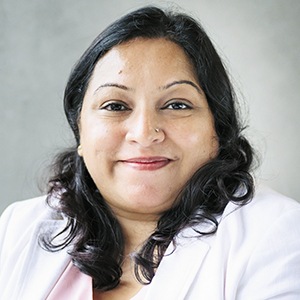
She says, "the formation program has been a profound journey — a true gift that humbled and transformed me. Each session elevated my perspective, leaving me stronger and more aligned with (Providence's) purpose."
Alexander says taking part in a particular section of the coursework focused on the common good "was a defining moment, revealing how deeply our mission and values can shape both professional impact and personal growth."
She says at Providence she's enjoyed the opportunity to apply her problem-solving skills "toward a purpose that resonates deeply with both the mind and the heart."
She adds, "To me, the Mission Leadership Academy serves as a reflective lens, illuminating how our work can be fully aligned with our mission and values."
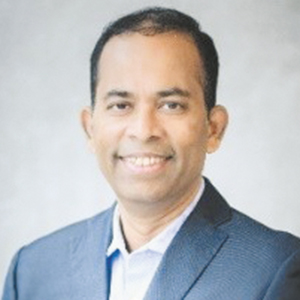
Sureshkuman Rajasekar, who has been with the center for two years, is a vice president of the division that focuses on ensuring Providence's clinical service lines in the U.S. can function efficiently around the clock.
He says his participation in the Mission Leadership Academy solidified his role's purpose and direction.
A highlight for him was facilitating an academy session on the common good. Directing that session helped him grasp the spirit behind all of the cohort's formation topics in greater depth, he says.
He adds that he believes the academy "is an important program which connects us to the core purpose of why and what this organization stands for while serving the community and underprivileged."
Further reading:
Ministry systems use formation programming to help unify even far-flung staff, affiliates
Ministry systems tap CHA formation resources to help trustees, leaders and staff better understand mission