
Nearly two years ago, when the Benedictine Sisters of St. Scholastica Monastery in Duluth, Minnesota, transitioned sponsorship of their ministries from a sister council to a ministerial public juridic person model, they and the leaders of their ministries knew they would need a solid formation program to ensure the success of the new body, called Duluth Benedictine Ministries.
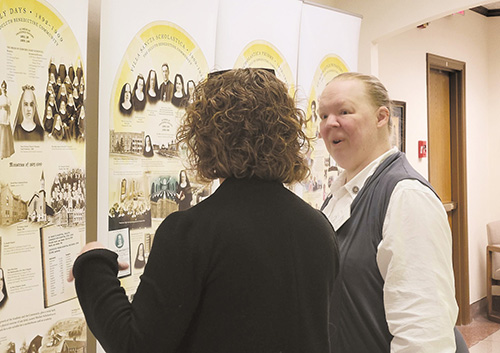
They'd need programming that would ensure leadership at their ministries across six states had a comprehensive understanding of what it means to be part of the Catholic health ministry and how their roles connect to the ministry's mission.
Sr. Lisa Maurer, OSB, Duluth Benedictine Ministries director of mission integration and formation, has been leading the effort to develop this programming. She is among a sampling of ministry leaders who tell Catholic Health World that CHA expertise, resources and connections have been essential to the success of their formation programming. They say CHA's "Framework for Ministry Formation" and other resources have provided key guidance on what content is a must and how to structure the programming, ensure it is effective, measure results and use that data to make improvements.
"It's a tried-and-true framework, and we trust CHA," says Sr. Maurer. With the CHA resources and connections, she says, "we do not have to reinvent the wheel. The framework is user-friendly, and we can adapt it to our ministry, with all our different facilities. It is so foundational, it will fit everywhere."
Resources for formation leaders
Forming trustees, executives and staff in the essentials of Catholic health ministry and mission has been of top importance to CHA and its members for decades, particularly as lay leaders assume increasing responsibility in sponsorship of Catholic health systems and facilities. With the declining presence of vowed religious in sponsorship and other leadership roles, the ministry long has recognized it must form laity to assume these roles with proper grounding.
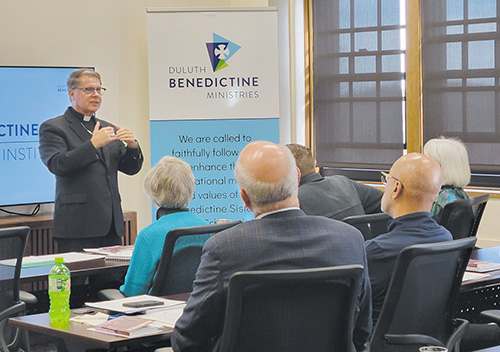
In recent years, CHA's senior director of ministry formation — currently Darren Henson — and the CHA Ministry Formation Advisory Committee have developed a wealth of formation resources. The goal is to create experiences that invite people who serve in the ministry to connect their personal meaning to their organization's purpose. Some of these resources include:
- The seminal "Framework for Ministry Formation," which lays out six foundational elements of formation, lists competencies required for ministry formation experts and explains the imperative to build up a community committed to furthering Jesus' healing ministry.
- "Framework for Senior Leadership Formation," which provides insights and practical approaches for forming top executives. CHA is currently updating this program.
- The recently released "Formation for All Workers," which explains why it is important to form all Catholic health care associates — not just leadership — and describes how that can be done.
- "Demonstrating Formation's Impact," which explains how and why to use data to show the impact of ministry formation on participants and their organizations.
These and other resources are available at chausa.org/focus-areas/ministry-formation/resources.
A strategic priority
Sr. Maurer as well as Ascension Vice President of Ministry Formation Sarah Reddin and SSM Health System Vice President of Formation and Spirituality Joshua Allee are among the nine ministry leaders who serve on the CHA Ministry Formation Advisory Committee. They also help lead formation programming at their own systems.
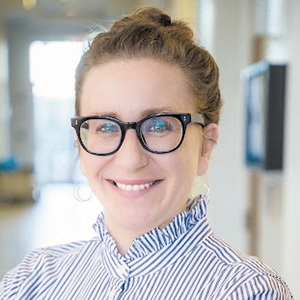
Reddin says since Ascension's creation, it has been building and evolving its formation programming and has played a key role in shaping CHA's formation resources. Last year, Ascension ministry formation leadership decided to adopt CHA's formation framework as its own. Reddin says they did this because they recognized the importance of backing and using a standardized approach. They recognized that the CHA framework reinforces what ministry members hold in common and speaks to the entirety of what it means to be a part of and to advance the ministry. She says it is "an exciting moment," as ministry members join together under a shared understanding of formation.
She notes that health care leaders inside and outside the ministry have been recognizing how valuable it is for organizations and their associates to have clarity around their identity and purpose. "Formation has been called out as a strategic goal" and an effective tool for improving performance, she notes.
Allee says the CHA formation resources have played a critical role as SSM Health has evolved its programming. The CHA resources have influenced the conceptual framework, logistics and content of the system's formation programs, he says. He notes that the idea of connecting formation to the "head, hands and hearts" of participants — a concept drawn from CHA resources — has underpinned much of SSM Health's programming.
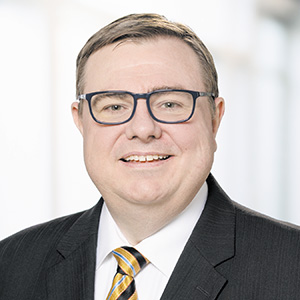
He adds that in addition to relying on the materials, he's also found great value in the network CHA has fostered among ministry formation experts.
Like LEGO blocks
At Ascension, Reddin says, leaders in formation have been focusing in recent years on ensuring that their work touches all associates and that it promotes their flourishing — mind, body and spirit. That 15-state system has about 97,000 associates and 23,100 aligned providers at 91 wholly owned or consolidated hospitals as well as at 29 partner hospitals where it has an ownership interest, 26 senior living facilities and a network of other sites.
Reddin says the system is doing a lot of work around measuring the impact of formation, through quantitative and qualitative performance indicators. She says Ascension formation leaders have been intentional about listening to the people who are taking part in the programming and using their insights and feedback to determine what changes are needed.
Allee describes similar work happening at SSM Health, which has about 55,000 employees and affiliated providers in 23 hospitals and at additional care sites across four states. He says that especially when it comes to senior leadership formation, there is an emphasis at SSM Health on ensuring formation participants integrate what they've learned in the ministries where they work. Having formation participants do this enables the learnings to spread far and wide at SSM Health, he says.
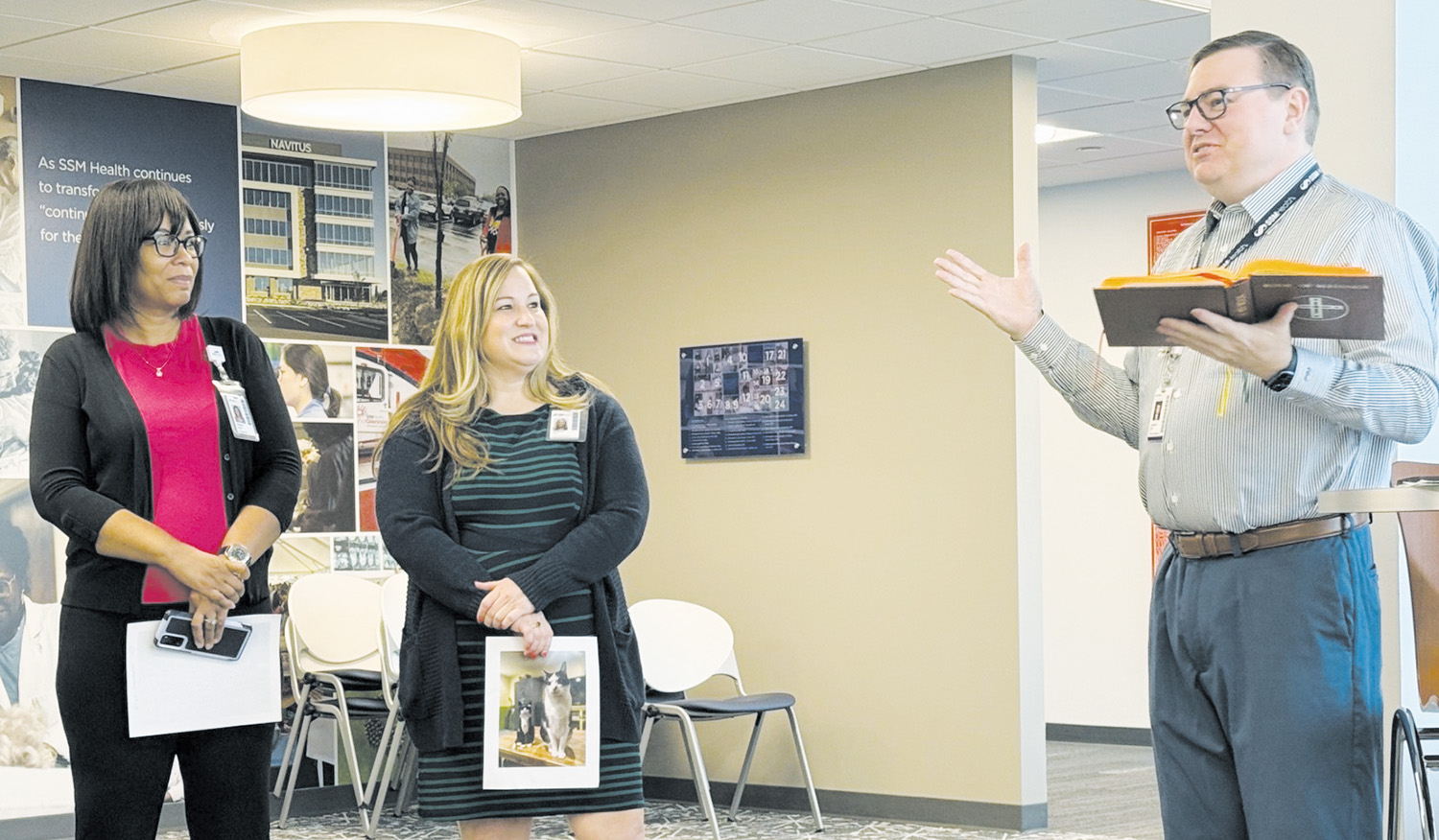
At Duluth Benedictine Ministries, the Benedictine Leadership Formation program that Sr. Maurer developed with her team is new. This spring, the first cohort of executives from ministries sponsored by the MPJP will complete the program, which spans nearly two years. Sr. Maurer says the MPJP is relying on formation participants to bring what they learn in the in-person program back to their home facilities. Sponsored ministries include more than 30 eldercare campuses, the five Catholic hospitals within Essentia Health, two independent hospitals and a college.
She says she's continuing to rely on CHA's support and resources as she and her team build out the programming. She likens the various CHA formation materials to LEGO blocks, saying, "CHA gives us the pieces, and we put them together."
She says that implementing the formation programming is giving the Benedictine Sisters a fresh opportunity to pass along their charism and legacy to the laity who are carrying it on. She says participating in formation experiences can be "a beautiful feeling — you feel this inspiration — and you want other attendees to feel the same."
Taking part in formation is like a gift, she says, "and gifts are not meant to be kept," but to be given to others.
Further reading:
Ministry systems use formation programming to help unify even far-flung staff, affiliates
Providence formation programs draw staff in India into system's mission, help them engage fully