
Global Health Resources
.jpg?sfvrsn=ac9d3559_4)
The Future of Health Workforce - 2025 Edition
An impactful discussion paper addressing the critical global health care workforce shortage, this report offers real-world insights, case studies and a framework for Catholic health leaders to reshape international recruitment practices and enhance global health care capacity. This 2025 updated edition includes a checklist and practical applications for health systems and facilities involved in the recruitment of foreign-trained professionals.When it comes to migration, immigrants, and the global health workforce, Catholic health care begins with a simple but profound truth: every person should be free to choose whether to migrate or to remain in their homeland.¹ This means upholding both the right to migrate when necessary and the often overlooked right not to migrate, the right to live in safety, dignity, and opportunity at home so that leaving is never an act of desperation.² This means prosperous countries have a responsibility, as an act of solidarity, to support developing nations through direct assistance and sound policy so that the social, economic, and political conditions necessary for starting and sustaining a family are strengthened, and families do not feel pressured to migrate. The Church teaches that prosperous nations should welcome those seeking safety and livelihood, even as governments regulate migration for the common good.³ Catholic health care supports the legitimate role of governments in regulating immigration. However, we also witness the human and clinical consequences when enforcement inconsistencies or limited legal pathways create fear, impede workforce stability, and increase vulnerability to exploitation or worse. Strengthening orderly, transparent pathways is both a pastoral duty to migrant workers and a justice duty to patients who depend on an adequately staffed workforce. For Catholic health care, this responsibility flows from our mission to uphold the dignity of every person. It calls us to strengthen global health systems, pursue ethical recruitment, and advocate for just policies so families in developing nations can flourish without feeling forced to migrate. Meanwhile, the U.S. faces fundamental workforce gaps, including physicians and nurses, which undermine access to care in the USA, especially for persons who are poor and vulnerable. The AAMC projects a nationwide physician shortage of up to 86,000 by 2036,⁴ and the Bureau of Labor Statistics estimates approximately 189,100 RN openings per year, largely due to turnover and retirements.⁵ We support more lawful clinical pathways, including visas, but we must also recruit ethically. The WHO Global Code sets the standard: fair treatment of workers and safeguards that discourage recruitment from countries with critical worker shortages.⁶ The Catholic Health Association’s Future of Health Workforce Research and Discussion Paper reinforces this integrated vision, and the Global Workforce Ethics and Strategy Checklist provides a tool to help make it a reality. Together, they emphasize that a just and sustainable workforce strategy must combine migration ethics, U.S. workforce needs, and global solidarity.⁷ Cites Pope Francis’ theme: “Free to choose whether to migrate or to stay,” affirming the right not to migrate. Source: National Migration Week Highlights “Overlooked Right” Not to Migrate Link: https://www.usccb.org/news/2023/national-migration-week-highlights-overlooked-right-not-migrate Explains that Catholic social teaching upholds both the right to migrate and the right not to migrate, meaning the ability to thrive at home. Source: Root Causes of Migration and U.S. Aid to the Northern Triangle Link: https://cmsny.org/publications/jmhs-gerschutz-bell-092822/ Affirms duty of prosperous nations to welcome the foreigner while retaining the right to regulate migration for the common good. Source a: Catechism of the Catholic Church 2241 Link: https://www.ewtn.com/catholicism/answers/catechism-of-the-catholic-church-2241-23282 [journals.sagepub.com]Source b: Strangers No Longer: Together on the Journey of Hope Link: https://www.usccb.org/issues-and-action/human-life-and-dignity/immigration/strangers-no-longer-together-on-the-journey-of-hope Projects a shortage of up to 86,000 physicians by 2036. Source: New AAMC Report Shows Continuing Projected Physician Shortage Link: https://www.aamc.org/news/press-releases/new-aamc-report-shows-continuing-projected-physician-shortage BLS estimates ~189,100 RN openings per year driven by retirements and turnover. Source: Registered Nurses – Occupational Outlook Handbook Link: https://www.bls.gov/ooh/healthcare/registered-nurses.htm Standard for ethical recruitment: fair treatment, equal rights, and safeguards against recruitment from critically short countries. Sources: WHO Global Code (Overview) Link: https://www.who.int/publications/i/item/wha68.32 Reinforces the need for integrating migration ethics, U.S. workforce needs, and global solidarity. Source: CHAUSA
.jpg?sfvrsn=b72c59ab_1)
A Reflection Guide for International Health Activities
This booklet is a resource for persons selected as volunteers for mission trips to low- and middle-income countries to help them reflect on the overall experience. Designed for individual or group use, its contents lead users through discerning participation, preparation for a trip, arrival, the days of the experience, leaving, re-entering normal life and remembering and remaining rooted in the experience. Each of its six sections includes questions for reflection, spiritual exercises, sources for additional information and inspirational quotes and poems. It also includes plenty of journaling.

Guiding Principles for Conducting Global Health Activities
This CHA resource offers Catholic health ministry leaders and others who participate in global health projects six Guiding Principles for Conducting Global Health Activities.Offering a modern-day parable and Guiding Principles, this resource brings to life the richness of Catholic social teaching and tradition and inspires excellence and partnership in global health activities.
Medical Mission Trip Resources

Short-term Medical Mission Online Orientation
CHA has developed an online orientation program with four modules for use by those who lead and participate in short-term international mission trips.
.jpg?sfvrsn=7c00f972_1)
Short-Term Medical Mission Trips Survey Results
This book contains the detailed question-by-question survey results from Phase I and Phase II of CHA's 2014-2015 research project on short-term medical mission trips.
.jpg?sfvrsn=3e4e8386_1)
Short-Term Medical Mission Trips: Recommendations for Practice
This book shares 20 Recommendations for Practice that Catholic health care leaders should use to review current and to consider future short-term medical mission trips. They are based on the Phase I and Phase II short-term medical mission trip research.
.jpg?sfvrsn=3ed4dd29_1)
Sample Orientation for Medical Mission Trips
This is a sample PowerPoint presentation for your use as an educational tool to help you develop an orientation process for participants on your medical mission trips. It is designed for you to customize to suit the needs of your program — adding or deleting slides where you deem appropriate.
Medical Surplus Recovery Resources
.jpg?sfvrsn=c431b026_1)
First Do No Harm – Assessing & Selecting High Quality Medical Surplus Recovery Organizations
This guide offers Catholic health care leaders tools for assessing the practices and effectiveness of surplus recovery organizations (MSROs). Based on the ground-breaking 2010 study of Medical Surplus Donation, this booklet and accompanying online tools provide assessment questions and information leadership can use to assure their organizations medical surplus donations are made appropriately and effectively by an MSRO. (Includes an electronic assessment dashboard tool) This booklet is a guide for assessing the practices and effectiveness of Medical Surplus Recovery Organizations.
.jpg?sfvrsn=db6aa494_1)
CHA Medical Surplus Donation Study: How Effective Surplus Donation Can Relieve Human Suffering
This 18-page report presents findings from a 2010 study of how CHA-member organizations can alleviate human suffering in the developing world through a responsible medical surplus donation program. The report also highlights medical supply and recovery organizations that collect and distribute surplus and offers preliminary guidelines for working effectively with these organizations.
.jpg?sfvrsn=24fa3fa6_1)
Responsible Redistribution of Medical Supplies and Equipment
This resource shares the findings of a 2012 research study to determine high-impact leading practices every hospital and/or health system should adopt when starting or enhancing a medical surplus recovery program. While not prescriptive, we believe these practices will help fulfill the mission of our collective global outreach efforts — answering God's call to foster health, act with compassion and promote wellness for all persons and communities, with special attention to our neighbors who are poor, underserved and most vulnerable.
Additional Resources
.jpg?sfvrsn=3521cc91_1)
Conducting Short-Term Mission Trips - Video Case Study
Video Case Studies to Open Dialogues in Catholic Health Ministry
.jpg?sfvrsn=82b9ee58_1)
Sharing Surplus Medical Supplies & Equipment - Video Case Study
Video Case Studies to Open Dialogues in Catholic Health Ministry
.jpg?sfvrsn=24544dd6_1)
Disaster Response - Video Case Study
CHA has developed several video case studies on topics related to global health and medical surplus recovery. Meant to open conversations and to illuminate some of the feedback from CHA's research on surplus recovery and short-term medical mission trips, they shed an ethical light on practices and some of the mentality behind a desire to serve to do to good for others.
.jpg?sfvrsn=3c846ff0_1)
Partnership & Cultural Awareness Video Case Study
Video Case Studies to Open Dialogues in Catholic Health Ministry
.jpg?sfvrsn=c0fcd16f_1)
Photography - Video Case Study
Video Case Studies to Open Dialogues in Catholic Health Ministry
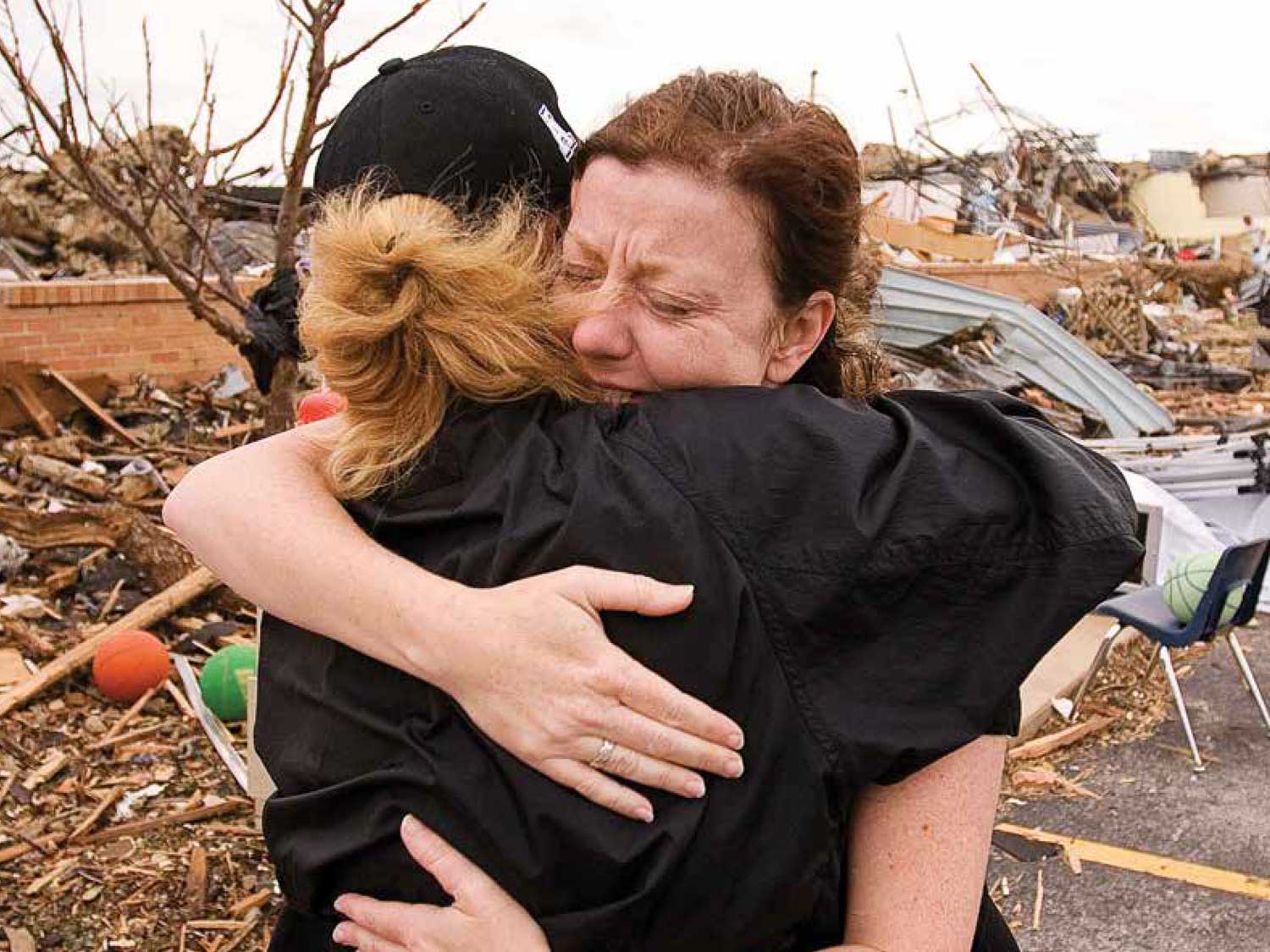
Disaster Response: Considerations for Catholic Health Care
Developed with assistance from Catholic Relief Services and Catholic Charities USA, this CHA brochure provides ministry leaders with considerations for how health care organizations can appropriately respond in times of domestic or international disaster.