
Mercy Health — Marcum and Wallace Hospital is part of a partnership that created and is sharing a successful model for responding to the high diabetes rate in a rural Kentucky county.
The hospital, part of Bon Secours Mercy Health, consistently sees diabetes as an issue in its community health needs assessments. In rural Lee County, part of the hospital's catchment area in Eastern Kentucky, about 20% of adults self-report having diabetes.
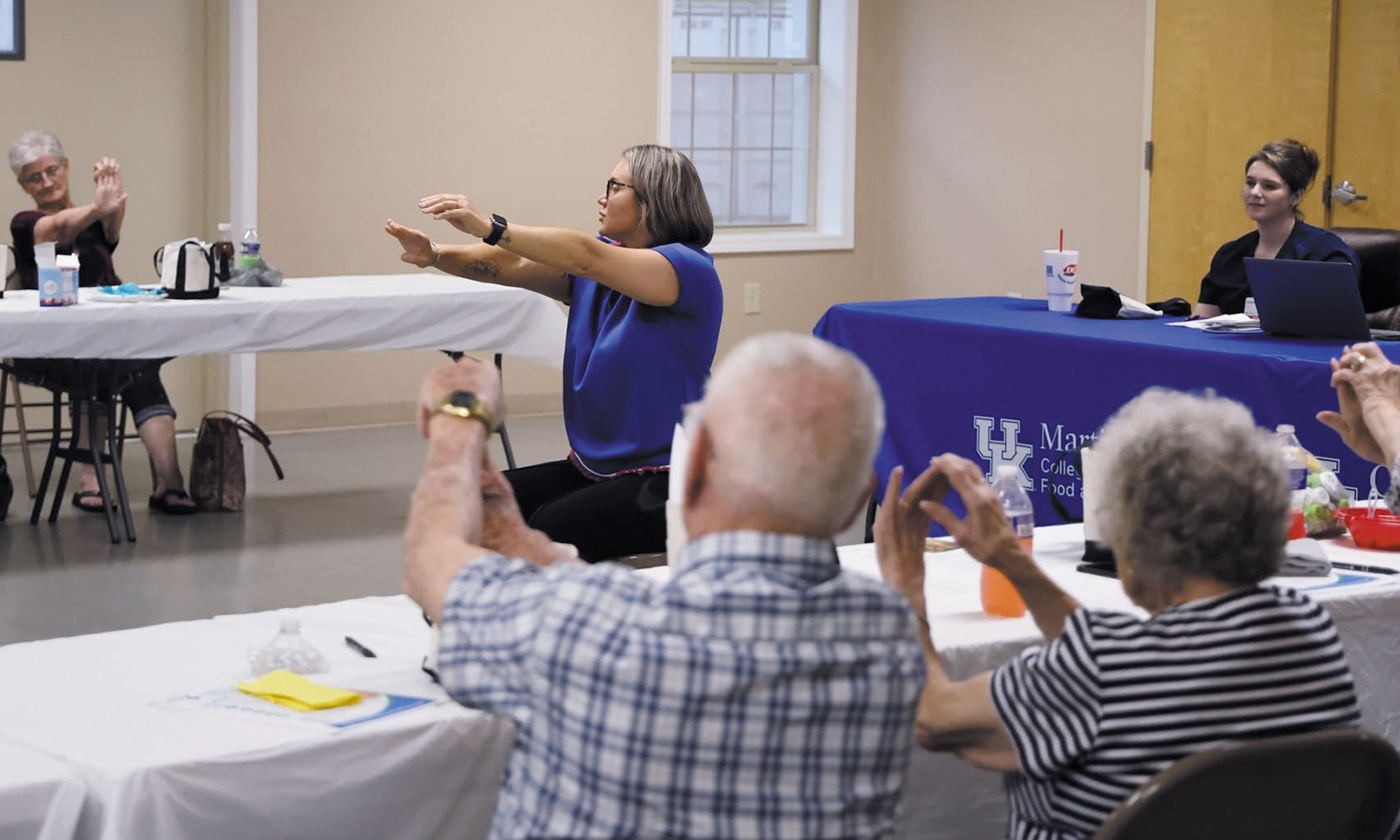
In 2023, the hospital joined with the Lee County Diabetes Coalition, the Lee County Cooperative Extension and the Kentucky River District Health Department to create a sustainable collaborative model of care. The core of the model is a support group that meets monthly. The meetings are facilitated by the partners and offer diabetes education, healthcare services and peer support.
Over the first three years, 16 people on average attended the group meetings. Of those, 83% reported improved confidence managing diabetes. In addition, 90% of those who shared their data showed improved blood sugar levels.
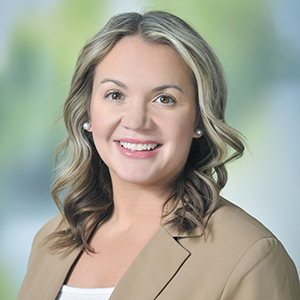
Meghan L. Mills, director of community health at Mercy Health–Marcum and Wallace Hospital, credits the partnership for bringing "exactly what is needed into the community." She says the program the four partners coordinate generates tangible data showing direct impact on people's lives that she can cite in future community health needs assessments and use to establish community health impact programs.
"It's just a special collaboration," Mills says. "It's something that others can replicate."
Sharing responsibilities and expertise
Mills and representatives from the other partners presented a session on their model this summer at the national conference of the National Association of County and City Health Officials. Their session detailed the work of their collaboration — officially the Lee County Diabetes Support Group Partnership.
The partnership evolved from the Lee County Diabetes Coalition, which started in 2007. The coalition used grants to set up communitywide events to promote physical activity and healthy eating. By 2022, coalition leaders saw a need for a more individualized, patient-centered focus to address the county's high diabetes rates. That's when the partnership was born.
Each partner brings unique expertise and resources. For its part, the hospital offers community health leadership, clinical expertise, A1C screenings to check blood sugar, and care coordination and referrals. Among the health department's contributions is chronic disease prevention expertise and among those of the cooperative extension, which provides free informal public education, is nutrition education.
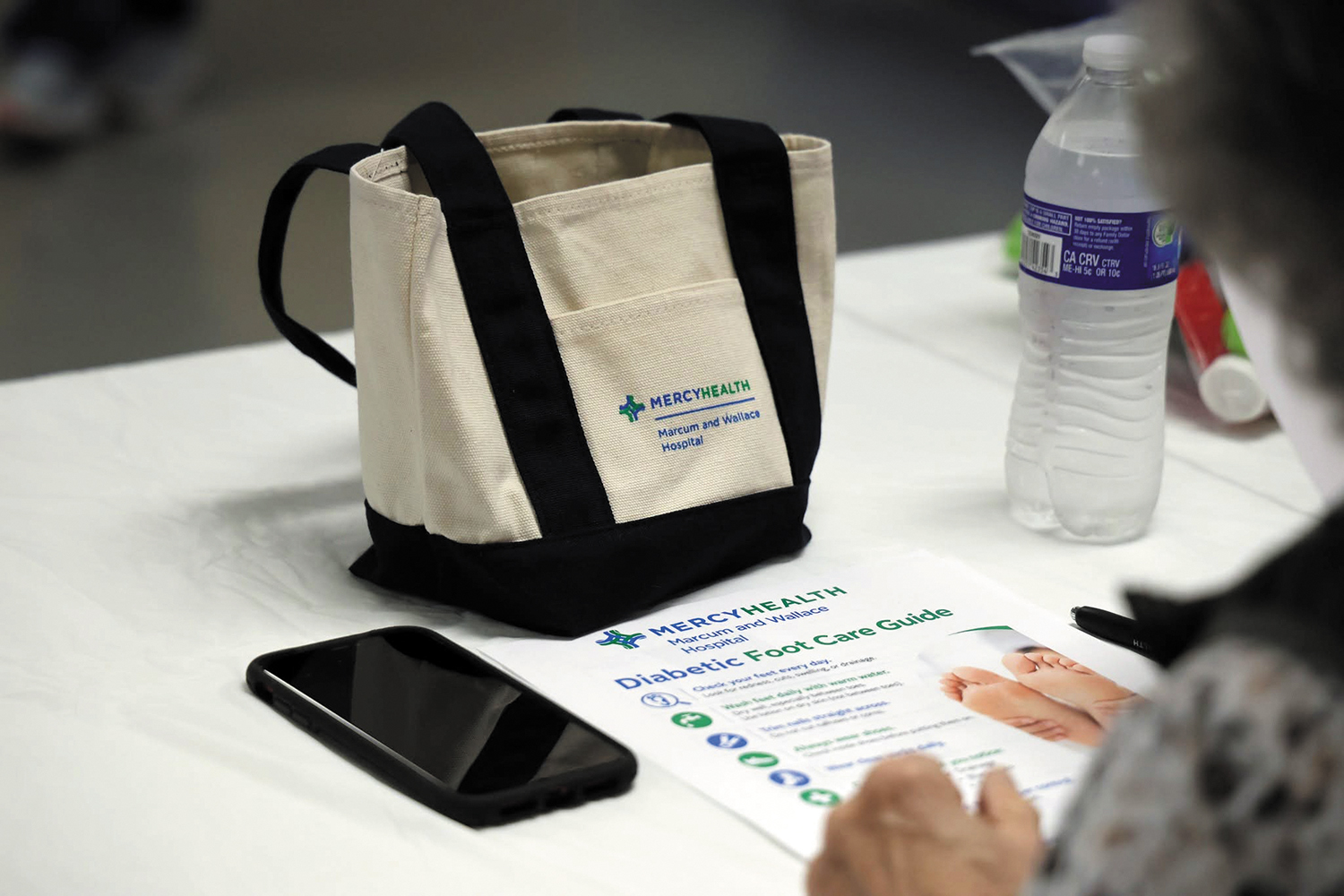
The partners take turns leading the support group meetings. They invite speakers with special expertise to present on specific topics, such as a nurse who discussed foot care at a recent meeting. They provide resources related to the subject matter, such as a goody bag with a stress ball and back scratcher handed out during a session on relaxation techniques.
Kristin Brandenburg, administrative specialist at the Kentucky River District Health Department, developed a curriculum for the support group that ensures all major topics identified by the partners are covered over the course of a year. Those topics include understanding the basics of diabetes and medication management.
The curriculum is loose enough that even when topics repeat after a year, participants get a fresh take. For example, a nutrition-focused session might delve into the merits of home gardening or look at how to cook healthy meals given limited grocery options, as is the case in Lee County, population about 7,400.
Education and activities
The variety in the meetings might explain why some of the support group members go to every session. But it also could be because in addition to being educational, the meetings are lively. Each one includes an activity. In August, there was a tailgate party, with a cookout and outdoor games. In July, at the session focused on relaxation techniques, members took a painting class.
Each meeting ends with a diabetes-friendly meal. Afterward, participants get cards with recipes for the foods they just ate.
To encourage members to follow up on the healthy practices covered at the meetings, the leaders created a game with prizes. When a group member follows through on a recommendation, such as getting a foot exam or flu shot, they get to check it off a bingo-like card. At the end of a year, participants get fake cash for each item they have checked off. They can use that cash to bid for prizes at an auction. This year those prizes included a slow cooker and a hummingbird feeder.
Claudia Burnett, a retired dietitian turned diabetes educator with the Kentucky River District Health Department, rounds up the prizes. She says turning the goals of the sessions into a game for the group members "makes it fun and it incentivizes the things that we want them to do in their lives."
Burnett is the collaborative's go-to person for teaching how to manage the condition. She advises support group members and the group's leaders on the medication and nutrition interventions that keep the disease in check.
"She's really that person that kind of keeps us right on track on what exactly they need," Brandenburg says of Burnett. "Without Claudia being involved, with her expertise, we would definitely not be at the level of what we're being able to provide."
Burnett emphasizes that group members are all treated with respect and compassion. "It's like one big family," she says.
Asked to comment on their experience with the group, members have told Burnett and the other leaders that just knowing they are not alone in dealing with diabetes has helped them manage the condition. "It helps to stay with a program to be meeting with a group," one said.
From good intent to good example
Nancy Zuech Lim, senior director of community benefit at CHA, joined Mills and Burnett for their session on the partnership at the National Association of County and City Health Officials conference. She lauds the partnership and its support group model as an exemplary example of good intentions turned into an effective intervention.
"This is a real-life example, an in-action example, of our mission to care and our commitment to community," Lim says. "It was born from a community need, identified in the community health needs assessment, and it is grounded in good clinical practices."
The Lee County partners hope to see their model adopted by others. So far, one other neighboring county has inquired and Brandenburg has shared the curriculum she developed.
Mills says the curriculum is just one of the "C's" that she thinks have made the partnership successful. The others are commitment, collaboration and consistency.
Brandenburg says the overarching goal of the partnership is to simplify diabetes management for the support group members. "We're trying to be very holistic with every part of their lives and just trying to make it easier for them," she says, "because if your life is easier, then it makes managing diabetes easier too."