Until last year, there were just over two dozen respite beds available in all of Lane County, Oregon, for homeless people discharged from the hospital. With about 3,500 people homeless countywide — and many of them in poor health — the lack of respite space was a critical concern for PeaceHealth Sacred Heart Medical Center RiverBend in Springfield, Oregon.
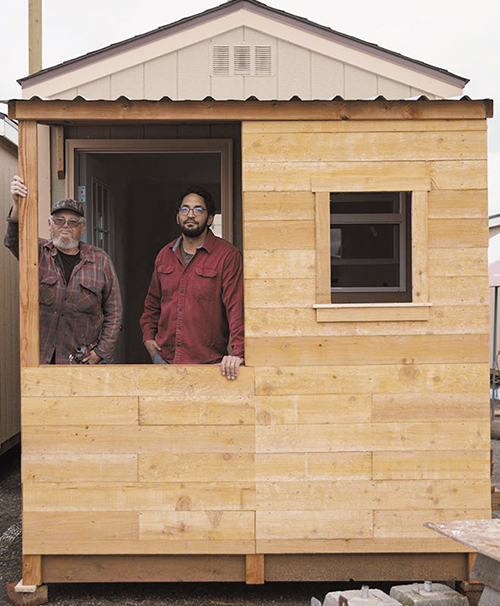
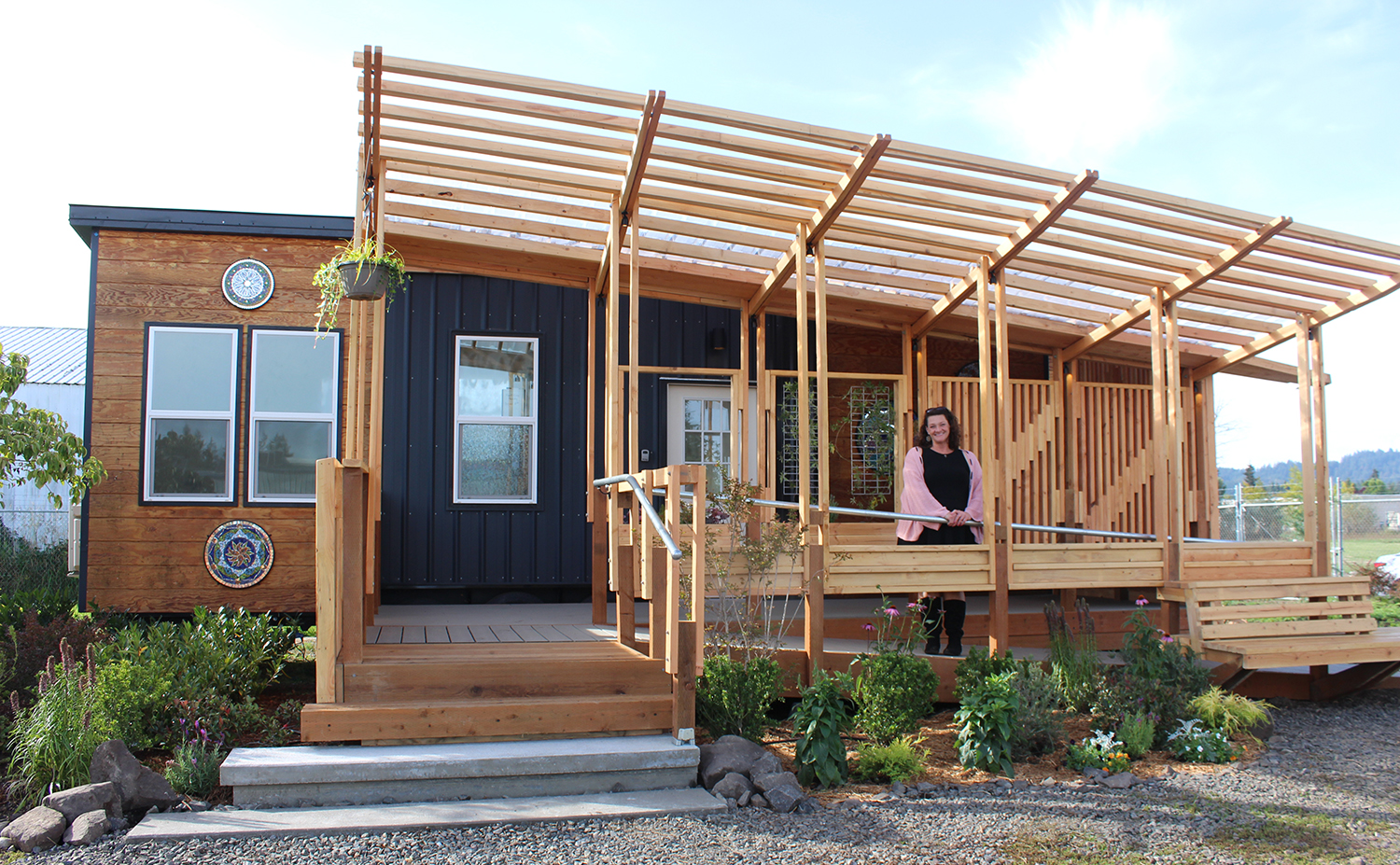
To help address the gap, PeaceHealth partnered with a tiny home community that a local pastor opened in 2022 to provide transitional housing. PeaceHealth invested $250,000 in Everyone Village in 2025 to build tiny homes that offer respite space and some wraparound support for patients discharged from PeaceHealth Sacred Heart.
Analysis of the first year shows that the program provides much-needed stability and has a positive impact on patients' health outcomes.
"PeaceHealth was the first major player to show up and see that we have something very special happening here and say, 'We must be a part of this,'" says Pastor Gabe Piechowicz, founder and executive director of Everyone Village in Eugene, Oregon. "This is a true community healthcare model."
Piechowicz says restoring health and well-being for people experiencing homelessness is essential to their longer-term stability. "Health is the base building block for life," he says. "You need body care, then mind care, then soul care. This is paramount."
A time of great need
Lane County in Western Oregon has a population of about 380,000. Michelle Saunders, community health director for PeaceHealth's Oregon network, says housing affordability is a key concern in the region. That, along with an escalation in the cost of living, has exacerbated homelessness, she says.
Lane County data shows that the homeless count in 2025 was about 24% higher than the 2023 tally.
Piechowicz says about five years ago, as a recently retired logger, he decided to immerse himself in Eugene's homeless community to better understand their needs. He learned that it is very difficult for people to escape that life because the system is not designed to help them. For instance, those who need social services must travel — sometimes relying on public transportation — to multiple agencies to seek support. They also are at risk of having their property stolen while they are out obtaining services.
Piechowicz notes that many people who are unhoused also have healthcare needs and are trying to heal from trauma. But they face significant barriers to accessing healthcare.
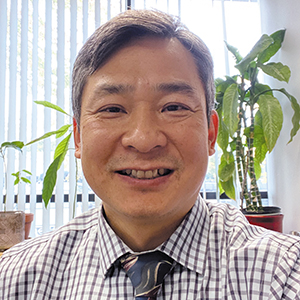
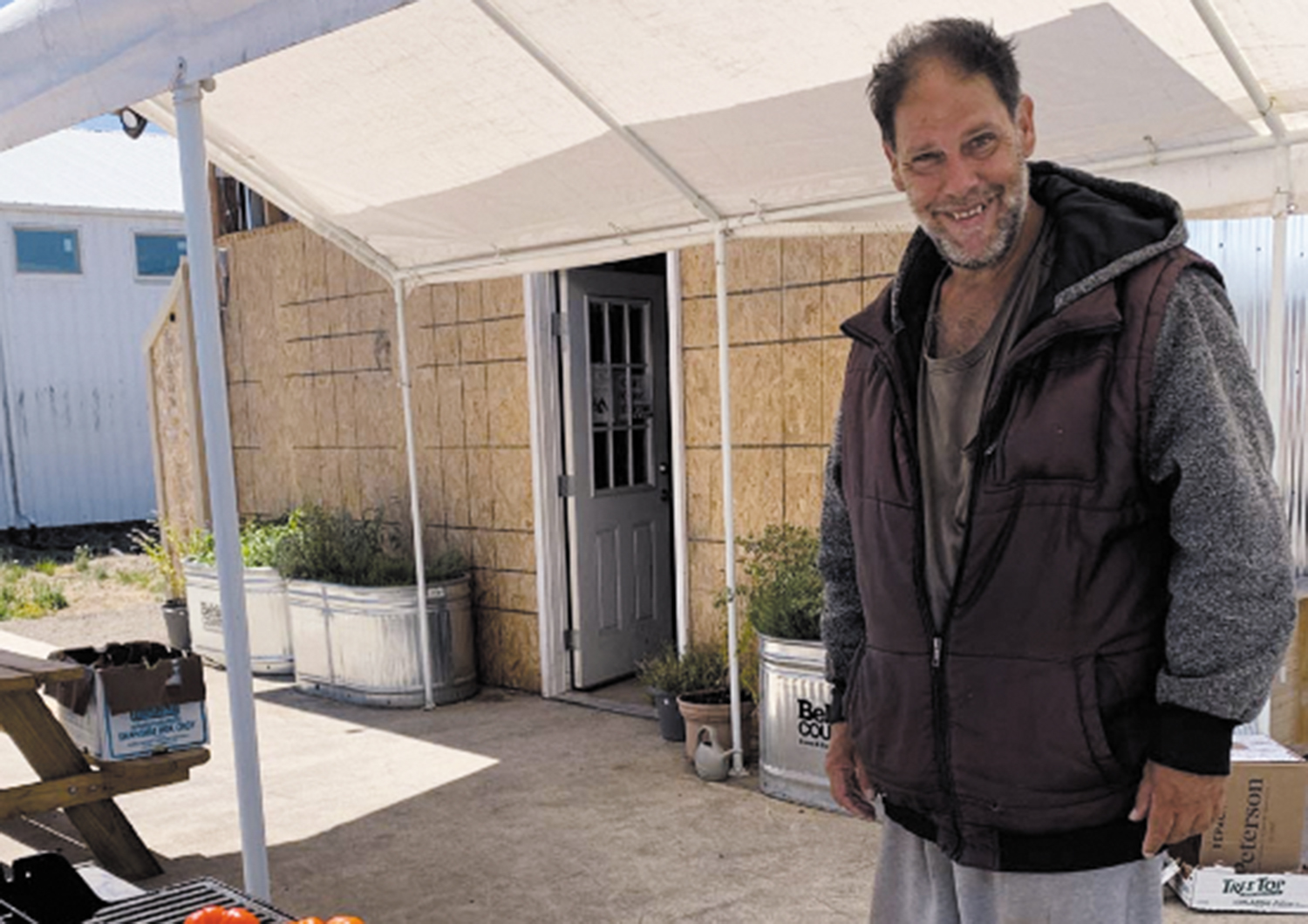
Dr. Duc Vo is medical director for a Volunteers In Medicine Clinic in Lane County, and he frequently visits Everyone Village. He says while most unhoused people are insured through Medicaid, many of them do not regularly access the healthcare system because they have a poor relationship with that system and distrust clinicians.
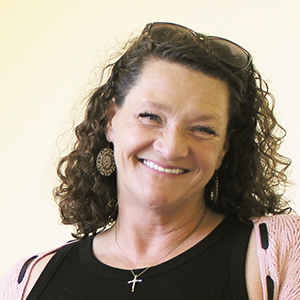
Amy Wilson, administrator and program director for Everyone Village, says it is hard for discharged patients to heal on the streets. Their health deteriorates because they can't get the recuperative care they need.
Saunders says without a stable place to recover, people who have been discharged from the hospital often will cycle back to the emergency department repeatedly.
With few local homeless shelters equipped to care for people with pressing health concerns, Lane County was in a "great time of need," prior to 2025, Wilson says.
Clearing the runway
Piechowicz says he founded Everyone Village after learning that few organizations involved homeless people in designing solutions. To help people rebuild their lives, he says organizations need to draw upon homeless people's skills, wisdom and resources. "The best way to move a life forward is for the community to say, 'We need you,'" he explains. "And that is what we're doing, (saying) 'You're part of the team, and we need you.'"
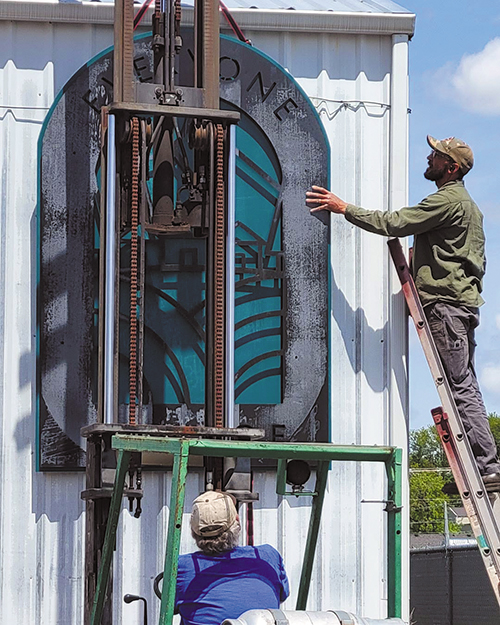
When he had the idea for a transitional living community, Piechowicz says God "cleared the runway for a landing." Property owners donated about 4 acres of land and a warehouse to him and other groups erected 70 tiny homes, funded in part by the county. The village includes a welcome center, communal gathering spaces, bathrooms, showers, a laundry area as well as a workshop and recycling center where residents build skills.
PeaceHealth's contributions enabled the addition of 10 tiny homes for patients recovering after hospital discharge. The dollars also fund care management and meals for respite patients, as well as related operating costs.
Everyone Village also has a clinic staffed by Vo and other clinicians. Vo says he and the others serve as a "bridge," helping villagers learn to trust clinicians. Vo enjoys meeting the clients and hearing their stories. "I mean that's one of the reasons why you go into medicine is to develop these relationships, and it's really rewarding to me to be able to do this for them," he says.
He adds that "it's an honor to treat patients, and I think for the most part they feel that too — that they can trust me."
Making a difference
There is a continual waitlist to live at Everyone Village.
Village staff includes caseworkers, recovery mentors, peer supporters, and housing coordinators. PeaceHealth funds some of the staffers who tend to those on respite stays. Piechowicz notes that residents also serve as caregivers and as a supportive presence for those in the respite homes. Everyone Village staff and residents and the clinicians from Volunteers In Medicine all form a community that helps residents transition to more stable housing, such as affordable residences or long-term care.
"We are doing all we can in the limited amount of time they are here to help them flourish, to help them get housing and overcome their barriers," Wilson says. "It is hard being out on the street, it's hard to take a breath and make a plan to move forward. But here, people care, and we help them, and it makes all the difference in the world."
Demonstrating what's possible
Saunders says a PeaceHealth analysis of the first year of the partnership with Everyone Village "really demonstrates what's possible when we can come together as a community around a shared goal."
The analysis found that 128 people stayed in the respite homes at Everyone Village, with an average length of stay of 14.4 days. Of them, 54% transitioned to housing, shelter, family or community placements or care settings afterward. This exceeded benchmarks that the program partners had established.
The report says the most significant impacts of the program were the consistent reduction in inpatient admissions, improvements in health stability and avoidance of high-cost acute care services among those who stayed at the village. PeaceHealth estimates that the patients' hospital use decreased up to 27%, driven largely by a reduction in inpatient admissions of up to 51%.
The report summarized that the "results demonstrate meaningful community impact and support continued investment in innovative approaches that address both housing instability and health outcomes."
"Everyone deserves a place to heal and rest and recuperate," Wilson says, "and we love that PeaceHealth partnered with us on this to help our unhoused neighbors."