
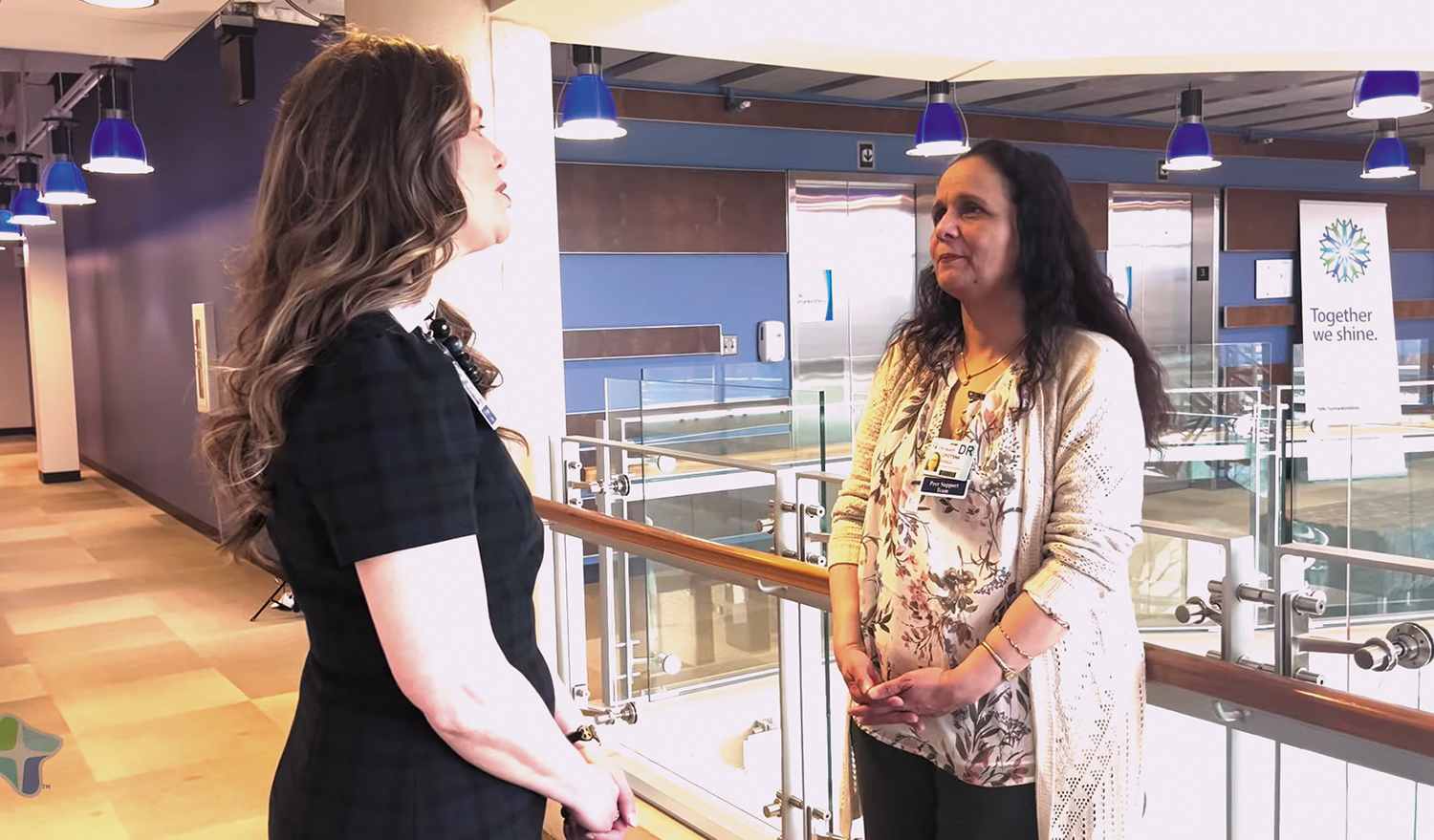
CommonSpirit Health is seeing success in responding to the high rate of physician burnout through peer-to-peer support.
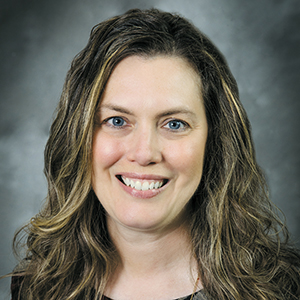
Heather Chambers, medical director of advanced practice providers for CHI Health, a CommonSpirit member system, co-chairs the support program that offers doctors and advanced practice providers a safe place for open communications.
"They can share their struggles and peers can acknowledge their experience," she says.
One of the metrics that CommonSpirit tracks to monitor physician stress is the scores from an annual burnout assessment. "Based on last year's score of 9% burnout for physicians and advanced practice providers, we decreased to 5% this year," Chambers notes.
Chambers says the peer supporters are not counselors or therapists. "It's about learning together how to handle a situation and feeling confident discussing it," she explains.
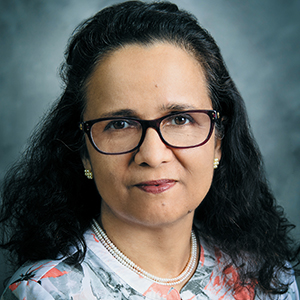
Chambers is based in Omaha, Nebraska. Her co-chair for the peer support program is psychiatrist Dr. Jyostna Ranga.
'We need this'
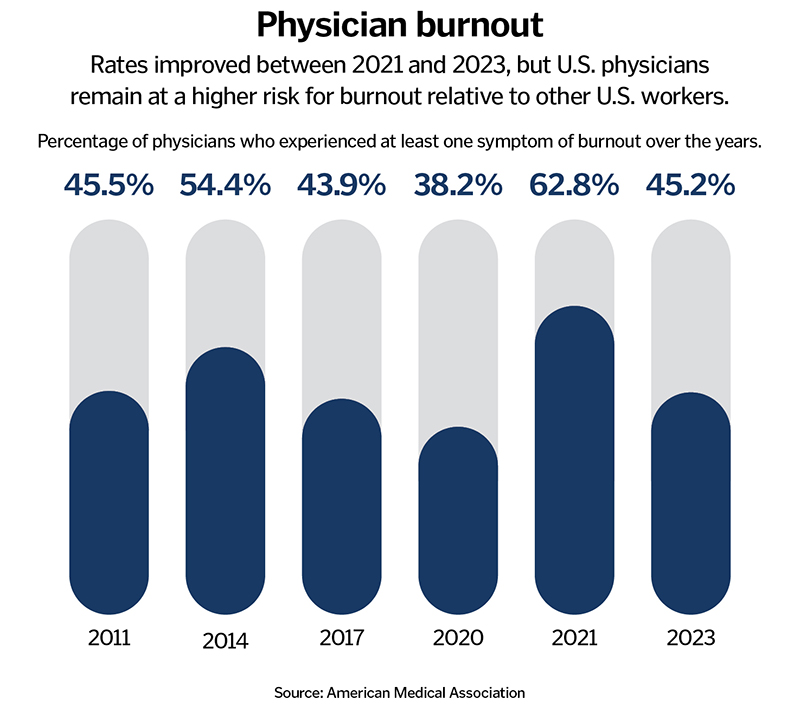
A study cited in May by the American Medical Association found that in 2023, 45.2% of physicians reported at least one symptom of burnout. That figure has remained stubbornly high. It was 62.8% in 2021, 43.9% in 2017, 54.4% in 2014 and 45.5% in 2011.
CommonSpirit has about 170 peer supporters for doctors and advanced practice providers across the 24 states where it operates, more than half of them in the Midwest market.
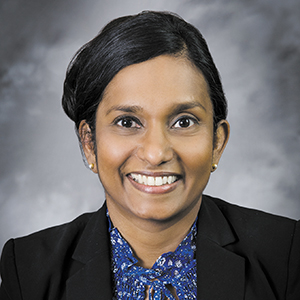
Dr. Renuga Vivekanandan, CHI Health Midwest's chief medical officer and vice president for medical operations, and Chambers started a conversation with national leaders about provider burnout four years ago, during the COVID pandemic.
Vivekanandan says the urgency of providing assistance to overstressed clinicians didn't end with the pandemic. "We need this for our providers, not just because of COVID, but what we experience every day," Vivekanandan says.
She says CommonSpirit became committed to addressing burnout and to creating "an engaged well culture."
"Given the daily difficulties in medicine, having colleagues to lean on when challenging situations arise is absolutely crucial," Vivekanandan says.
An example of when peer support can be needed is when a patient dies unexpectedly, when a patient has a poor outcome or during a personal struggle like divorce.
"To have another colleague who they can talk to and debrief in a confidential manner is really helpful," Vivekanandan says. "This is not counseling or mental health support. This is more of a peer-to-peer confidential support."
Vivekanandan says peer support "speaks to our culture at CommonSpirit Health and CHI Health of how we value our providers and their well-being."
Becoming a peer supporter
Peer supporters go through a two- to -three-hour training program, typically on Zoom.
The training goes over what it means to be a peer supporter and provides tools to use in talking to colleagues, such as questions to assess their stress level. It also covers how to offer more resources for caregivers in need of help beyond peer support.
The training is based on American Medical Association peer support guidance, as well as programs developed in CommonSpirit's Tennessee and Arizona markets.
Peer supporters wear badges that identify them. The badges sometimes prompt colleagues to ask what being a peer supporter means, which in turn helps spread awareness of the program.
Referrals also help connect staff to the peer support program. "Anyone can refer a physician or APP for peer support if they observe signs of struggle, whether in their professional or personal life," Chambers says. "The primary goal of this support is not to offer therapy, but to lend a compassionate ear and provide assistance as they navigate their challenges."
 The program also provides additional resources, if needed, based on what the provider shares. "Sometimes it's more about the issue at hand," Chambers says. "If they are struggling with something specific that we actually know about, then we try to connect them with someone who maybe has gone through that situation."
CommonSpirit holds monthly check-ins for the doctors' peer supporters to talk through their experiences. "We don't want our peer supporters to take on this heavy load and not support them, as well," Chambers says.
CommonSpirit intranets have links for any staffer to reach out for peer support. Compared to the peer-to-peer support program for doctors and APPs, peer support programs for other roles go "through a different route, but it's parallel and we work closely together," Chambers says.
Measure of success
The physician peer support program is funded by a community health and well-being grant, which is administered by CommonSpirit's mission and ministry departments. In December, the program's three-year grant will lapse. The directors plan to seek funding for an extension.
Chambers says the program's initial cost included setting up the training protocol, but now mainly is the pay for an administrator. The administrator manages logistics for several different projects related to the peer support program, including arranging meetings, conferences and speakers and developing agendas.
Chambers compares the peer support program to "code kindness rounding" in which compassionate and empathetic practices are subtly incorporated into traditional rounding.
"We try to be sensitive to how others are feeling and truly live our CommonSpirit values, which shows up in our tagline, 'Hello Humankindness,'" she says. "In our peer support program, the focus is on direct, unconditional support. We don't gauge burnout or administer assessments. When a peer requires support, a provider proactively reaches out to assist them with their present concerns."