
A researcher from a nonprofit institute affiliated with Providence St. Joseph Health was among the three winners of this year's Nobel Prize in medicine for their combined groundbreaking discoveries related to the immune system.
Mary E. Brunkow of the Seattle-based Institute for Systems Biology, Fred Ramsdell of Sonoma Biotherapeutics in California and Dr. Shimon Sakaguchi of Osaka University in Japan were honored with the award on Monday.
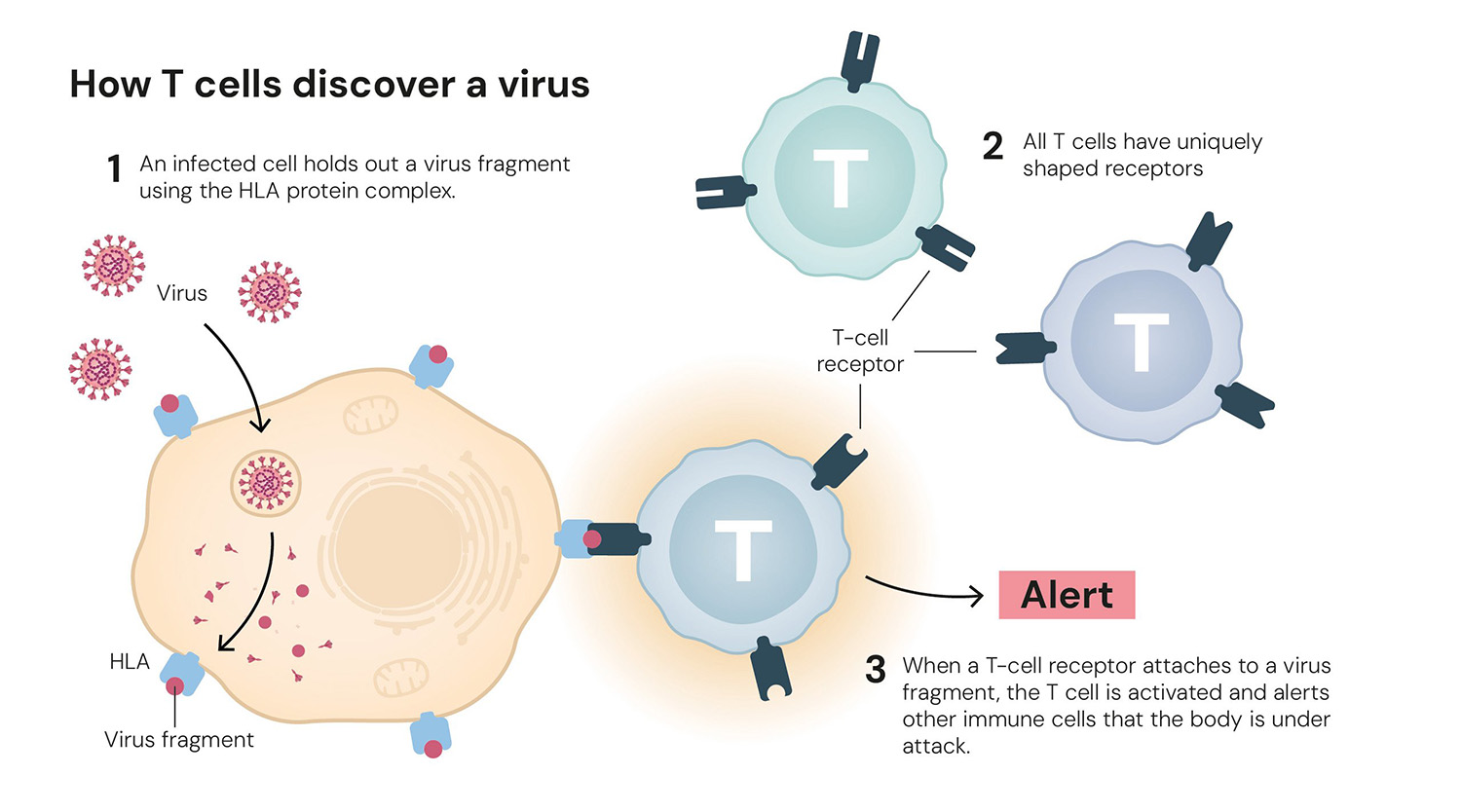
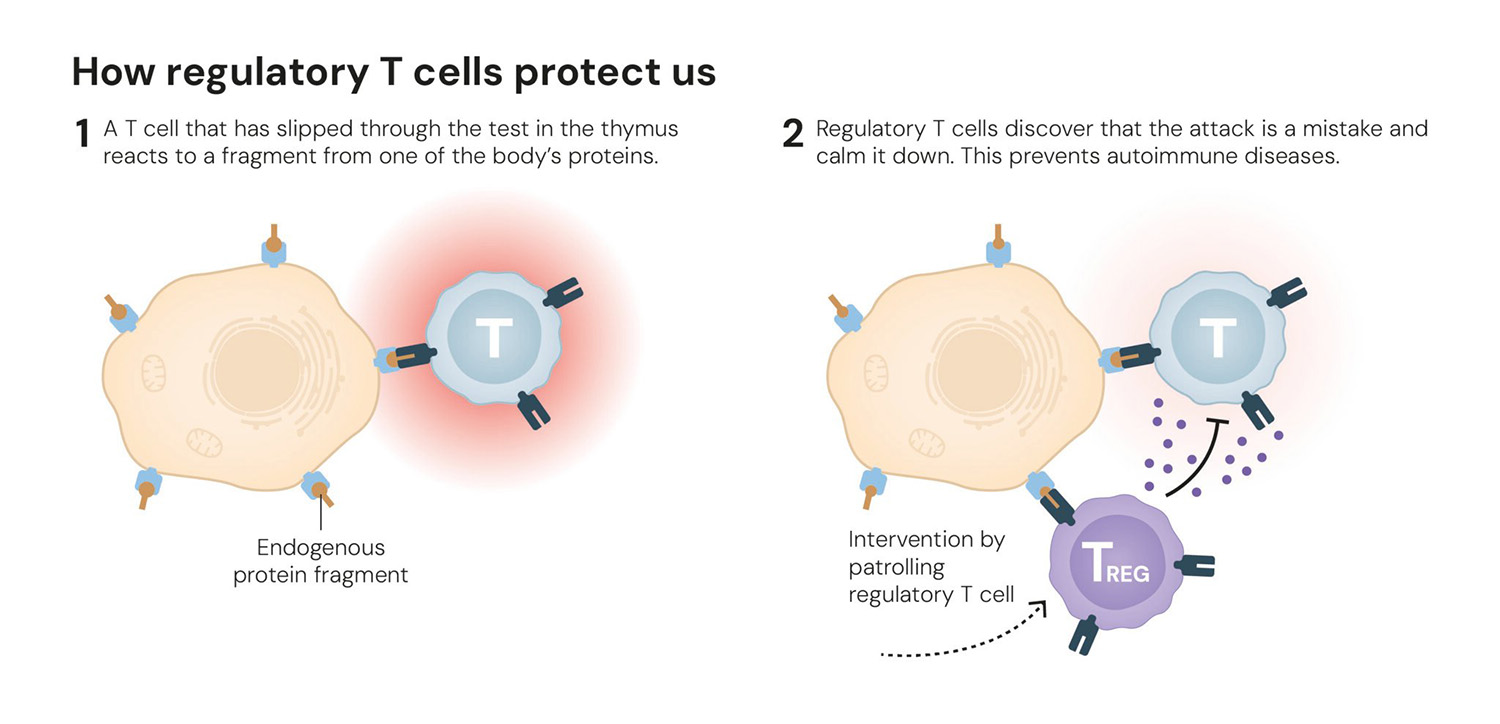
In a press release about the award, the Nobel committee lauded the trio of researchers for identifying "the immune system's security guards, regulatory T cells, which prevent immune cells from attacking our own body."
The Nobel committee said the researchers' foundational discoveries launched the field of peripheral tolerance, which studies what prevents immune cells from damaging the body. The committee said the discoveries have spurred "the development of medical treatments for cancer and autoimmune diseases. This may also lead to more successful transplantations. Several of these treatments are now undergoing clinical trials."
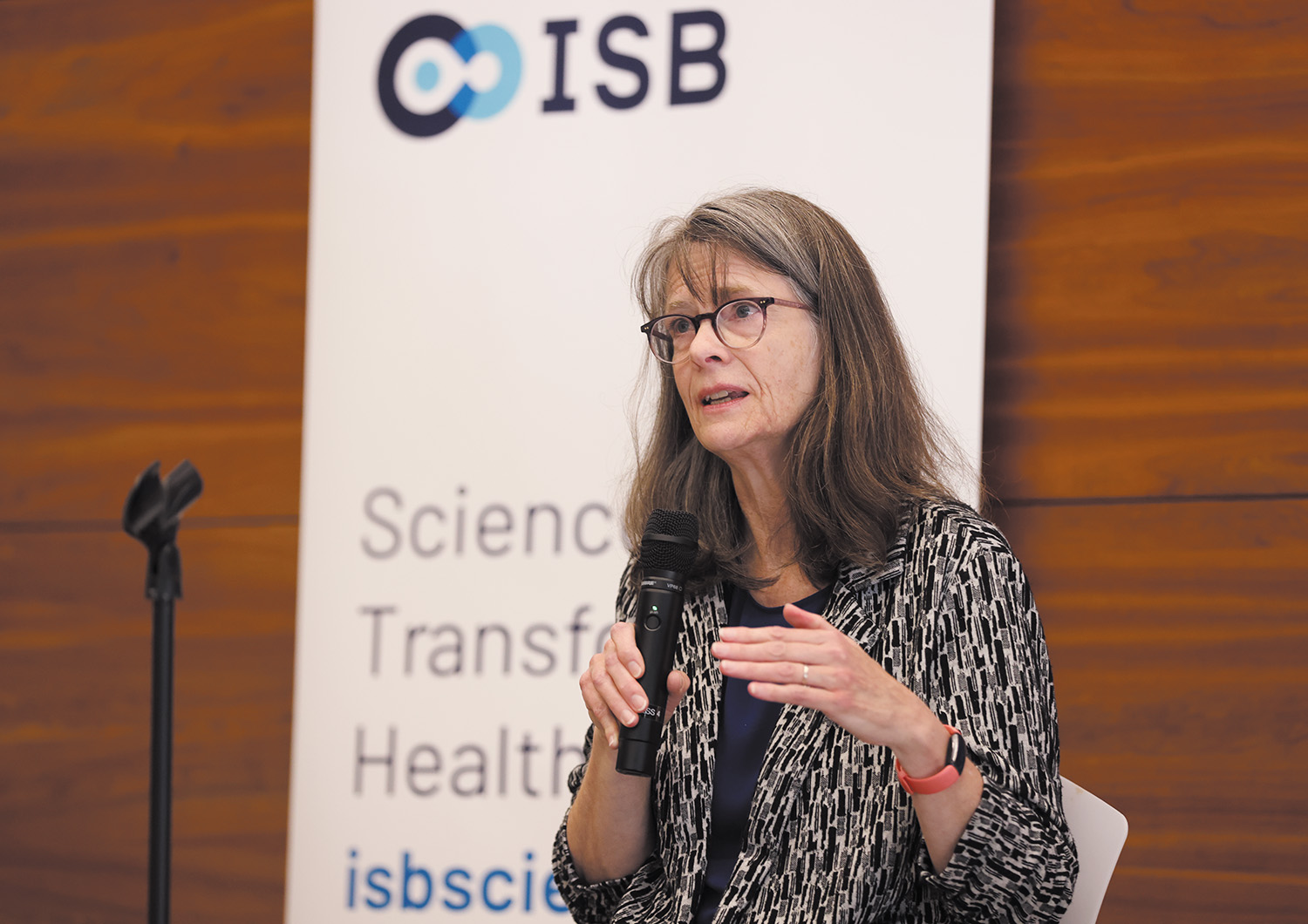
At a press conference Tuesday, Brunkow credited other scientific advances, including human genome sequencing, with helping pave the way for her Nobel Prize-winning work. Of her team's research, she said, "ultimately it led to really new insights into a very exciting and previously unknown piece of the immune system, which is, how is the immune response regulated or tamped down."
Jim Heath, Institute for Systems Biology president, said the discoveries made by Brunkow and her colleagues have had an impact in virtually every aspect of human health and disease.
For example, Heath said, scientists "are developing therapies that allow you, based upon this fundamental work, to think deeply about how do you promote immune system tolerance selectively in cases where you want it, and how do you keep it at bay in places where you don't want it, such as cancer."
The Institute for Systems Biology has been affiliated with Providence since 2016. In announcing the pairing, leaders from both said the partnership would foster personalized medicine, focused on keeping patients well and identifying the earliest opportunities to reverse or prevent disease.
Heath said at the press conference that the hoped-for advances have happened in many ways over the years in part due to the research done by Brunkow. He cited as an example a study the Institute for Systems Biology started early in the pandemic with Providence researchers that became a model for research on COVID and long COVID, including on the role of regulatory T cells.
"We published a paper, also with Providence, in 2022 that really set the stage for understanding long COVID," Heath said. "It was the first major paper on long COVID that said you could actually anticipate long COVID in patients before they had developed it."
Dr. Leroy "Lee" Hood, one of the co-founders of the Institute for Systems Biology, also spoke at the press conference and referenced projects the institute and Providence have worked on together related to the human genome. That work has included, he said, the ability to analyze genome variants to find "actionable causes that you could help patients with."
Asked about how cuts to federal funding might impact research such as Brunkow's that can lead to medical breakthroughs, all three speakers expressed concern. "It is true that federal funding has been incredibly important for promoting and supporting science, and certainly at ISB, I would say the majority of the work that we do here is supported by federal funding, so obviously, any loss in that hurts," Brunkow said.
Heath pointed out that of six Nobel laureates named this year in medicine and physics five have been U.S. scientists. "Science is the one thing that the U.S. does better than anybody else in the world," he said.
He added: "It's pretty remarkable the pressures that have been put on science over the past year. This is something we should be celebrating in this country, not the other way around."