
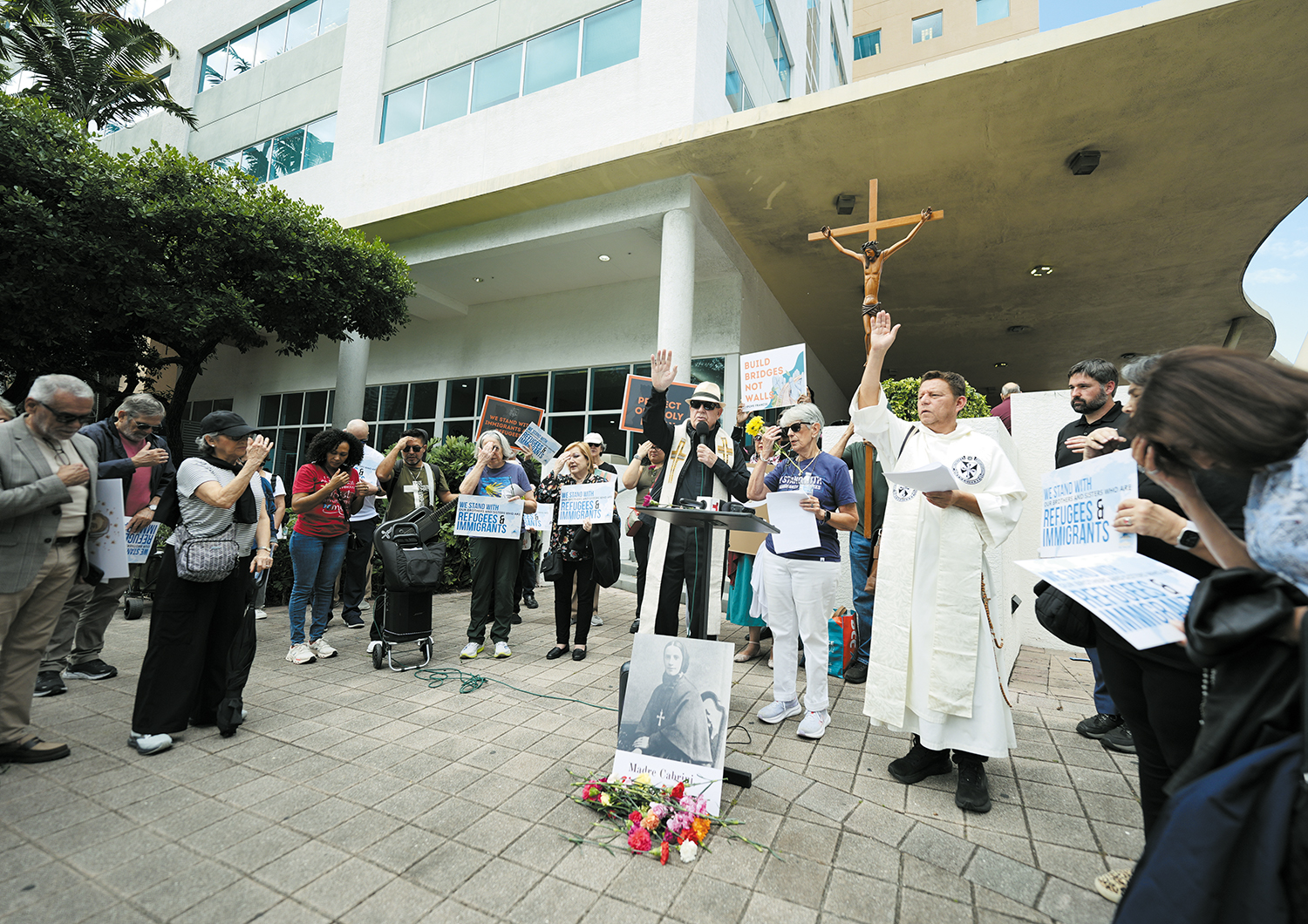
A new initiative led by the United States Conference of Catholic Bishops calls on Catholics to stand with immigrants and their families amid the Trump administration's rapid deportation efforts.
The conference added the initiative, called You Are Not Alone, in November to the Justice for Immigrants campaign that the bishops started 20 years ago with the backing of CHA and a network of other Catholic groups. The campaign's focus is on immigration reform.
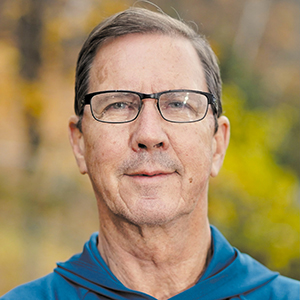
William Canny, executive director of Migration and Refugee Services at the USCCB, said the new initiative's intent is "to get everyone on board and working together nationally and locally to do what is called for and needed to support our brothers and sisters."
Canny pointed out that immigration raids are leading to the detention and deportation of many people with no criminal record, despite the administration basing its crackdown on removing criminals. He said sweeps by federal agents are tearing families apart, sending people into hiding, and generally creating a culture of fear.
"Our immigrant brothers and sisters are afraid to take their kids to school," Canny said. "They're afraid many times to go to church, and we as Christians and Catholics need to do what we can to support and protect them."
Bishops' special message
The USCCB is rolling out the initiative in the wake of the release Nov. 12 of a "special message" by the bishops at their Fall Plenary Assembly denouncing the villainization of migrants and use of harsh tactics to deport them.
The message said in part: "We oppose the indiscriminate mass deportation of people. We pray for an end to dehumanizing rhetoric and violence, whether directed at immigrants or at law enforcement. We pray that the Lord may guide the leaders of our nation, and we are grateful for past and present opportunities to dialogue with public and elected officials. In this dialogue, we will continue to advocate for meaningful immigration reform."
The You Are Not Alone website includes a quote from Pope Leo XIV: "You have in your hands a very great task, to accompany those who need a sign that God never abandons anyone — not the smallest, not the poorest, not the foreigner, not anyone."
The initiative focuses on developing and offering resources in four areas:
- Emergency and family support
- Accompaniment and pastoral care
- Church teaching on migration
- Solidarity through prayer and public witness
The many resources in the initiative include a guide to planning a rally and vigil "to unite in hope and solidarity" with immigrants and a rapid response tool kit that offers "a plan of action for communities to support and guide people during and after a raid."
Encouraging subsidiarity
Canny said the resources are based on effective practices in communities where the crackdowns started and where Catholics have responded, such as in the dioceses of Los Angeles, San Diego and Chicago. "The good news is that the church, as you know, has already been responding, along with many other groups and people of goodwill across the country," he said.
The initiative doesn't offer a one-size-fits-all approach to how dioceses and communities should address the immigration crackdown. Users can choose and customize the resources to meet their specific needs.
"What's important to understand is that enforcement measures are localized, and detention centers are localized, and so the number of people affected is local," Canny said. "So it is an initiative based on the principle of subsidiarity, that being that the local folks, local people, local organizations, are in the best place to understand the problem and help solve it."
CHA support
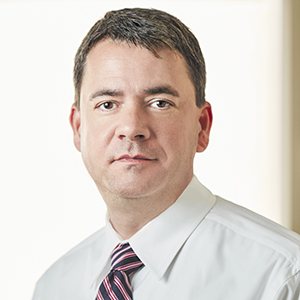
Director of Advocacy Clay O'Dell said CHA is supportive of the bishops' statement and the new initiative just as it has been of the Justice for Immigrants campaign. He pointed out that "health care is such a vital part of this whole question of how immigrants are treated in the United States, and how immigrants of any status access the care that they need."
One aspect of the crackdown is that the administration rescinded a policy that had given some sites, including churches and hospitals, protected status so immigration officers couldn't come in and make arrests. That change in policy has contributed to the "chilling effect" of the raids, O'Dell said, and is likely causing even migrants whose status allows them to access health care to stay away.
He said the crackdown presents special challenges for Catholic health care providers, who are bound by church teachings to care for anyone in need and especially the poor and vulnerable. "It's definitely affecting their ability to deliver care," O'Dell said.
He noted that immigration reform is part of CHA's advocacy efforts. But he said rather than bringing about a dramatic change in stance by the administration like the biblical awakening of Saul, he thinks CHA and other Catholic organizations can help change the outlook of the American people.
"We will continue to ask, and we will continue to press on this," O'Dell said. "I think probably from a policy standpoint, our best hope right now, rather than a sudden Road to Damascus moment in the administration, is that all of those pictures and news stories and the violence and the insulting behavior is starting to change public opinion, and public opinion is making a difference."
A video of bishops reading the "special message" on immigration is posted here.