
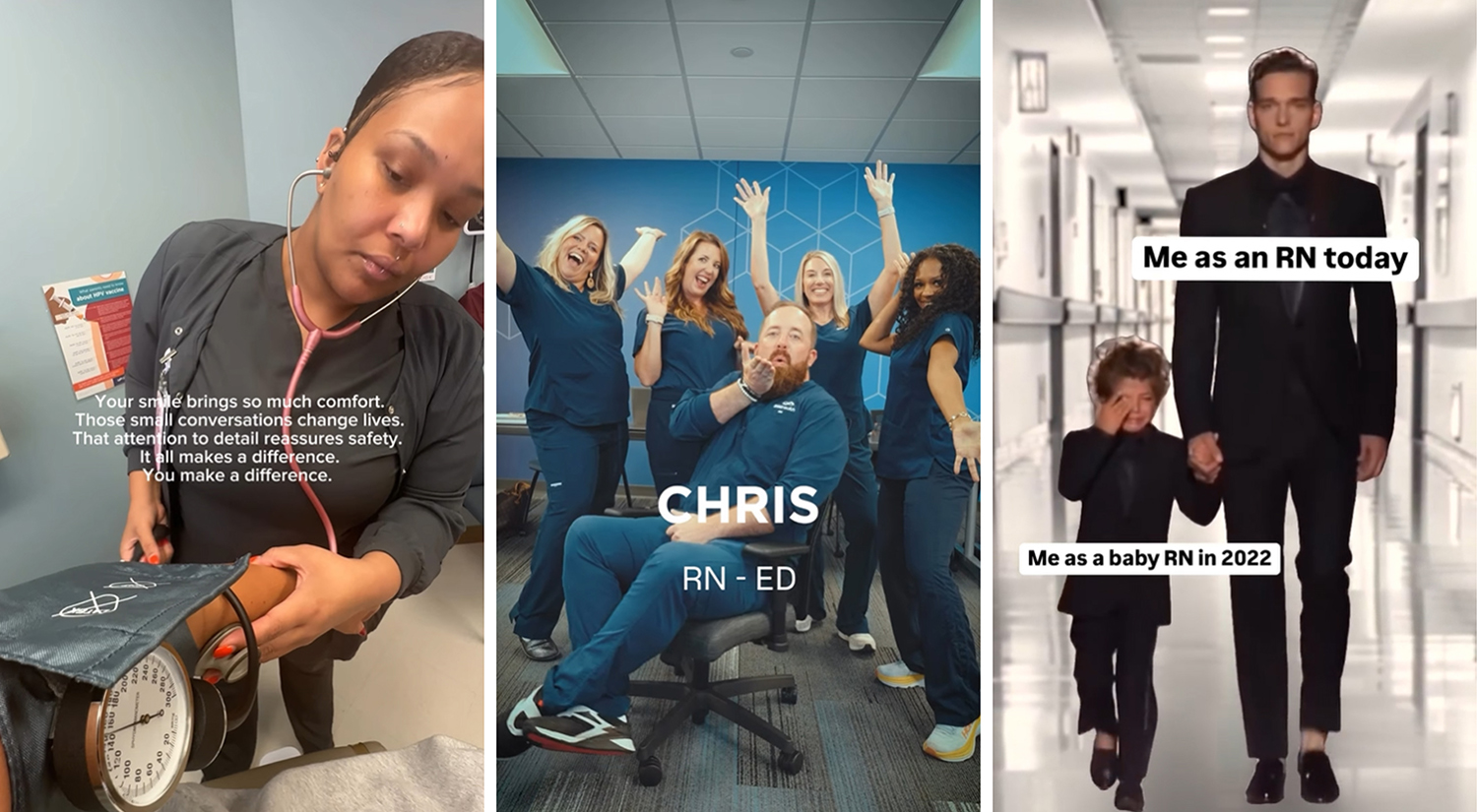
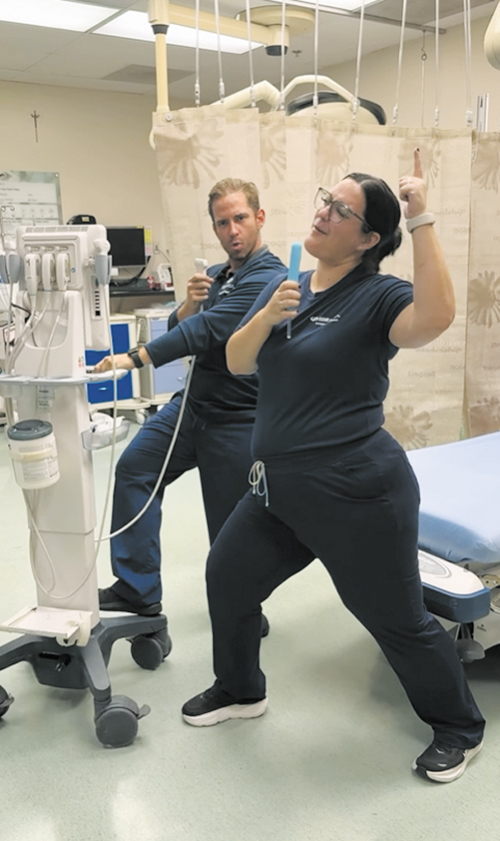
The SSM Health Jobs social media accounts serve up a little bit of everything: a rubber glove challenge between two registered nurses and a scrub tech, a clip from a nurse executive's recent interview on a podcast, Bible quotations to help nurses endure tough times.
The decision to post content from nurse influencers on social media was strategic — one way to catch the eye of job hopefuls and fill workforce gaps that were exacerbated by the COVID-19 pandemic.
It's working. Some of the nurse influencers who make the videos also serve as recruiters, answering questions by direct message and doing phone interviews, and often offering jobs to qualified candidates on the spot. After an offer is accepted, each new hire goes through the usual preboarding process, which includes a background check, license verification and drug screening.
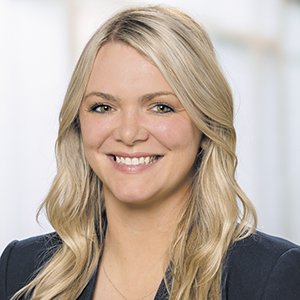
"A lot of people have chosen nursing because of some of the videos the nurse influencers have made," said Caitlyn Obrock, who was one of the system's first nurse influencers and is now system director of workforce strategy and scheduling.
Between 2022 and 2023, the system increased registered nurse hires by 140%. Compared to the 2022 baseline, RN hires increased 109% in 2024 and were up 128% as of June.
The influencers' efforts have been so successful in recruiting nurses SSM Health has expanded into creating similar content and recruitment strategies in other areas, such as surgical and radiation technician roles.
As of Oct. 1, the nurse influencer program has produced 4,000 short-form video posts, drawing 133 million impressions, or views, and 3.1 million engagements, meaning likes, comments, shares and saves. The @ssmhealthjobs account is on Instagram, TikTok, Facebook, and YouTube shorts.
The human side
The videos often show the human side of nursing, like the joy of returning to the floor with "a little treat," such as an iced coffee drink, or the frustration of dropping nearly everything during a visit to the supply room. One video shows the proposal on the same helipad at SSM Health St. Anthony Hospital in Oklahoma City where the two nurses involved met more than two years earlier. (She said yes.)
"I can think of multiple times that the nurse influencers were nearly brought to tears," Obrock said. "They say, 'Oh, I really made a difference connecting with each individual nurse to share, whether it's their first job or their 20th job, that we are all still humans and desire to be wanted and valuable.'"
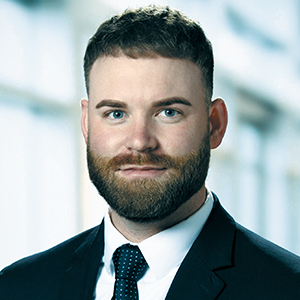
Seth Lovell is a registered nurse and SSM Health's vice president of nursing transformation and innovation.
"We're hoping that we're inspiring the next generation of health care workers," he said, "because maybe they just simply saw a video that showed how much fun or how much purpose or highlights the meaning that they're able to get by doing some of this care. It could literally just be that simple."
Solving a workforce problem
Like many health systems, since the COVID-19 pandemic, SSM Health saw huge increases in costs to hire temporary staff and wider workforce gaps.
"What started out as a truly pull-the-thread moment really kind of unraveled for us," Lovell said.
SSM Health leaders asked him in 2022 to focus on stabilizing the workforce and think of ways to make the system more attractive to recruits.
He had heard complaints about the cumbersome application process, such as that it sometimes took three to five weeks to get an offer after several rounds of screening and interviewing. At the same time, system leaders saw more negative posts and videos on social media about health care and nursing.
"We weren't a part of that conversation," Lovell said.
System leaders also had to dispel rumors and misinformation that had started in local Facebook groups for nurses and spread among SSM Health caregivers. They wanted to tell their own story.
"I essentially put a proposal together that would wildly change our nurse recruitment process," Lovell said. "It would be inclusive of social media, because we wanted to be in that digital town square."
He added that SSM Health wanted to connect with potential staffers and have a message that resonated. "We wanted to be a part of trends and talk about some of the best sides of nursing and some of the challenging ones," he said. "So that was what was unique: bringing it all together."
Viral content
Dozens of the SSM Health Jobs posts have gone viral, but the one that touched a nerve and went megaviral was a 26-second TikTok video about the differences between day and night shift nursing. As of early October, the post had more than 5.3 million views and 307,000 likes.
In the clip, a nurse says: "I'm day shift. I get all the Daisy awards."
Her counterpart says: "We're night shift. We get leftover pizza."
"We're night shift nurses. Of course we're always cold," says another nurse as he wraps a blanket around his shoulders while sitting at a computer keyboard.
"We're night shift. Of course we like dark humor," says another as he walks through a hospital corridor.
One TikTok, with 2.5 million views, simply shows a method for pulling off the edges of transparent film dressing so it won't irritate the skin.
Another video, with 983,000 views, shows a woman sitting at a laptop with the caption "when you're trying to work, but the nurse influencer team walks by." She looks into the hallway, unamused, as a small cavalcade of nurses parades by, smiling and laughing and holding up their phones.
Messaging with a mission
Some system leaders were skeptical when the program rolled out, so the influencer team had to share their vision.
"We've had a chance to sit down and say, 'Hey, just so you know, this isn't just someone coming up with a random idea. We have trends that we're looking at," Lovell said.
The program got its start in St. Louis and has evolved over time. Currently, a team of five nurse influencers in the St. Louis region, Wisconsin and Oklahoma works full time creating content and connecting with potential recruits.
Meanwhile, some bedside nurses create content to send to the influencer team for posting. Everyone in the system is welcome to send ideas to the influencer and social media marketing teams. A manager oversees the influencer team. Depending on the complexity of the content, it can require nothing but a quality review before being posted. Some content requires scripting and higher-end video production, which is where influencers work with the social media marketing team to produce it. The social media team owns the strategy, process and performance of the work, Lovell said, and the influencers are responsible for producing the content and working with members of the social media team to come up with ideas and follow trends.
Influencers are taught to not record in a patient area or have private patient information visible in the background. Lyrics to music that accompanies videos should be appropriate. Videos go through a review process before they're posted.
And, yes, a few posts have missed the mark unintentionally and been removed, Lovell said. One included a missed step in a procedure for putting on and taking off sterile gloves, and one showed a caregiver's name badge that allowed people to find their personal social media profile. But some, like the one about the differences between day shift and night shift nurses, drew questions but remained posted, even after leader reflection.
"They've actually said, no, let's leave it up. This is a reality of what nursing is, and we support your genuine story," Lovell said.
Growing interest
Word about the nurse influencer program is spreading. Obrock and Lovell said they've had about 40 hospitals and health systems reach out, wondering how to optimize the recruitment side but also asking how to get legal and marketing teams to say yes to TikTok.
"People are starting to get really specific, which tells me they're trying to figure out how to operationalize something like this," Lovell said.
Obrock advises other systems to have a strong vision for their influencer and social media programs and adapt the programs to their needs. She also advises focusing on creating a personal, customized experience for job seekers and having recruiters available to answer questions and make the process as seamless as possible.
Lovell tells systems to jump into and be a part of the conversation in the digital town square, even though that increased visibility might feel scary.
He also advises systems to create relatable content. "To be relatable (it) has to be genuine and real and authentic," he said. "And I think that you'll find that there's more value there than you'll ever realize."