
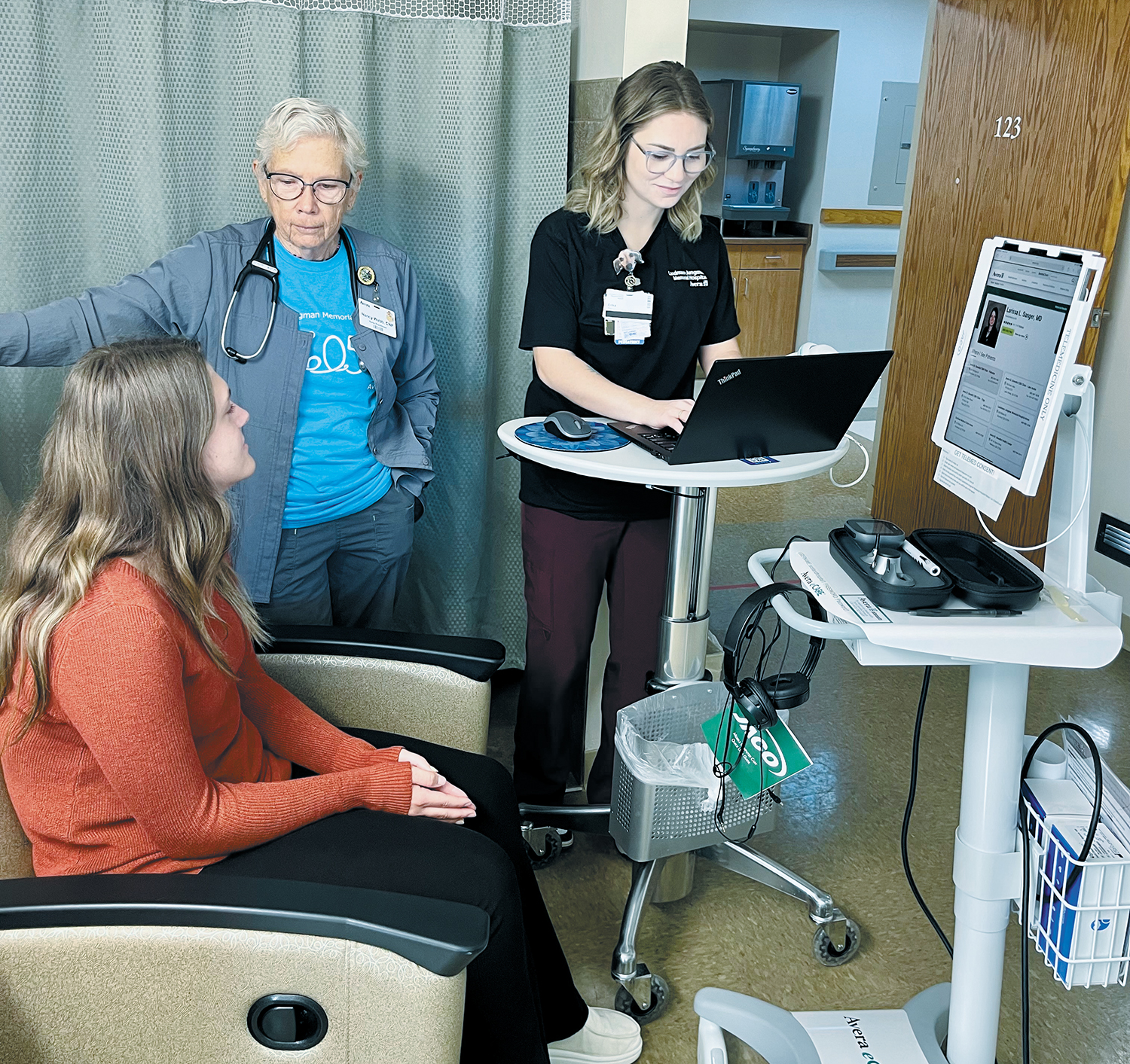
Less than nine months after Landmann-Jungman Memorial Hospital Avera in Scotland, South Dakota, switched from a critical access to a rural emergency hospital, CEO Melissa Gale says the facility has moved to firm financial ground.
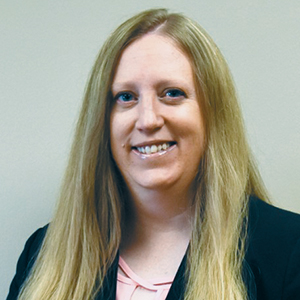
The hospital, based in a town of about 800 with a service area in Southeastern South Dakota of about 2,000, had for decades operated at what Gale describes as "break even or less." Since it opted to change designations July 1, she says, its operations have been solidly in the black.
"Overall, we're running at a healthy positive margin so far this year, which is really outstanding news for us," she says.
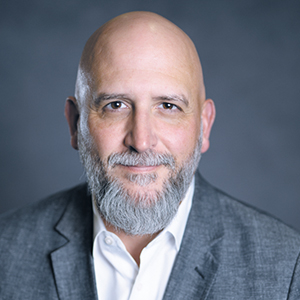
The situation is similar at St. Luke's Health — Memorial Hospital San Augustine in Texas. That hospital made the same switch in April 2023. Monte J. Bostwick, market president of St. Luke's Health East Texas, a system that is part of CommonSpirit Health and includes the hospital, says finance-wise Memorial Hospital San Augustine is "in a much better place than where it was before under the critical access status."
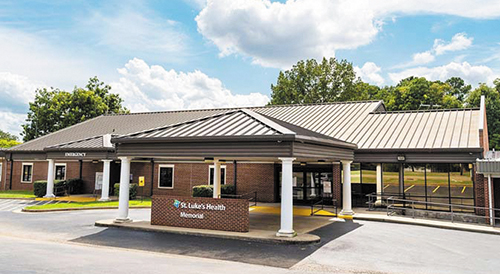
Both hospitals are pioneers when it comes to the rural emergency hospital designation. Landmann-Jungman Memorial is the first and, so far, only rural emergency hospital in South Dakota and within the Avera Health system. Avera Health also has hospitals in Nebraska, Iowa and Minnesota. Memorial Hospital San Augustine was among the first in Texas to get the designation.
Across the nation, only 44 hospitals of the more than 1,500 eligible have switched to rural emergency status since it became an option in January 2023 from the Centers for Medicare & Medicaid Services. The designation comes with benefits meant to maintain access to medical services in rural areas where providing inpatient care is financially unsustainable. Since 2010, dozens of rural hospitals have closed for various reasons, including shrinking populations and financial strain.
Rural emergency hospitals get a 5% bonus over regular Medicare reimbursements for certain outpatient services such as emergency care and a monthly facility payment to cover operational costs. However, the designation comes with trade-offs, such as dropping inpatient care and losing access to the federal 340B drug discount program.
Involving staff, community
Gale says Landmann-Jungman Memorial's board took its time evaluating whether the new designation was a good fit. "We went through this for about a year and a half," she says. "So we did not make a decision lightly. We did not make it during a crisis."
Part of the evaluation was how the change would affect the workforce and the community. Despite its small size, Landmann-Jungman Memorial's payroll of 65 — a mix of full- and part-time staff — is one of the largest in Scotland.
Gale says the staff was kept in the loop about the potential switch from the get-go. Once the change won approval, she wasted no time spreading the word. "The very next morning after the board decision, when I started going face to face with all the staff, they really were supportive and understood some of the changes and that it would not affect them in an adverse way," she says.
Gale says the designation switch meant "no loss of jobs, no reduction in hours" but some workers' job duties did change. For example, a business office staffer whose work had involved inpatient processing picked up some social media responsibilities.
Landmann-Jungman Memorial also created what Gale describes as a "very comprehensive and intentional communications plan" to include and inform the Scotland community as the designation change progressed. The communications emphasized that the most-needed services such as emergency care and physical therapy weren't going away. The hospital relayed the benefits of the switch though avenues like a community meeting, news stories and social media.
"We took a very hands-on approach with the communication, so our community didn't feel disrupted, or didn't feel like it was a big loss," Gale explains, "so that it felt like it was a win because health care is much more sustainable."
A chance to reinvest
While Memorial Hospital San Augustine was licensed for 16 beds, it typically had only a few in use at any given time. Still, the loss of inpatient care can come as a blow to a community, so Bostwick and others with St. Luke's Health met with civic groups to offer assurance that the most-needed health services would still be available and that inpatient and specialty care was at most 45 miles away at the larger St. Luke's Health hospital in Lufkin, Texas.
"I believe our community has seen that this redesignation keeps the heart of our services locally based in San Augustine, even as inpatient care is moved to Lufkin," Bostwick says.
Before Memorial Hospital San Augustine made the switch to rural emergency, Bostwick was unsure if the financial benefit would materialize. Now that the hospital is running in the black, he's convinced that his concern was unnecessary.
"It's able to generate a little bit of margin so that we can look to reinvest in the facility, because there are still needs there," he says.
A potential fix, but not for all
At Landmann-Jungman Memorial, Gale also is finding room in the budget to reinvest, including in training to upskill her workforce. She's also fielding occasional calls from administrators at other hospitals seeking insight on whether switching to a rural emergency designation might be right for them.
She tells them there are upsides, like the add-on funding, but that not all outpatient services qualify. She would like to see that change, so that all outpatient services get the extra boost. She also laments the loss of access to the 340B program, especially since it originally was intended to help safety net hospitals like hers.
"There's a lot of really great administrators in the state that I would assume are working very hard on due diligence to see if this model fits for them or not," Gale says. "And it doesn't fit for every hospital. It isn't a silver bullet that fixes everything."
When CEOs at other CommonSpirit hospitals ask Bostwick about the designation, he tells them that it comes down to math. They need to figure out, he says, whether the change will make their hospital more sustainable for the long term while meeting the needs of patients, as he believes it did for Memorial Hospital San Augustine.
"This was, for me, making sure I understood the numbers, understanding the strategy to it," Bostwick says. "And then I said, ultimately, can we still serve the community the way that we need to? And, thankfully, all those boxes got checked, and we're doing well."