
The forecast is certain: There are not enough candidates in the pipeline for positions at ministry facilities in ethics, mission, formation, and spiritual and pastoral care. One reason is that university students interested in these fields are not aware of the many opportunities available to them in Catholic health care.
CHA is working to address the issue through the newest phase of its Faithfully Forward initiative. The effort includes partnerships with Catholic universities offering degrees in the fields of concern to make faculty and students aware of the many roles available in Catholic health care and how to pursue them.
This effort is part of broader, ongoing work to head off severe shortages in these critical positions.
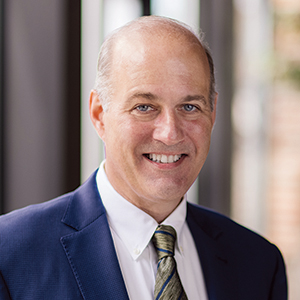
"It is becoming more and more difficult for Catholic health systems and facilities to find people with the right skill sets for these positions," says Brian Kane, CHA senior director of ethics. "We are asking, 'Can we influence universities in how they prepare students, and can we influence the universities in how they shape curriculum?'"
"It's exciting that this new platform can help us engage a broader universe of people as we promote these vocations in a more effective way," says Nathaniel Hibner, CHA's other senior director of ethics.
Surveying the landscape
Based on member concern, CHA included an initiative in its 2018 to 2020 strategic plan to assist the ministry in talent development and succession planning in mission, pastoral care and ethics roles.
To better understand the issue, the association interviewed ministry sponsors, CEOs and mission leaders; surveyed CHA member systems; organized workgroups to study the problem; and convened an advisory committee. This work, dubbed Project Legacy, involved more than 100 CHA members and other experts.
The project revealed that top leadership throughout ministry systems and facilities view the roles of mission, pastoral care and ethics as essential to Catholic identity. The work also found that leadership knew recruitment, formation and retention of staff in these roles is a priority. The leaders said there was a need to establish clearer standards for these mission and ethics roles and to improve compensation. They also said internships and fellowships in these areas were scarce.
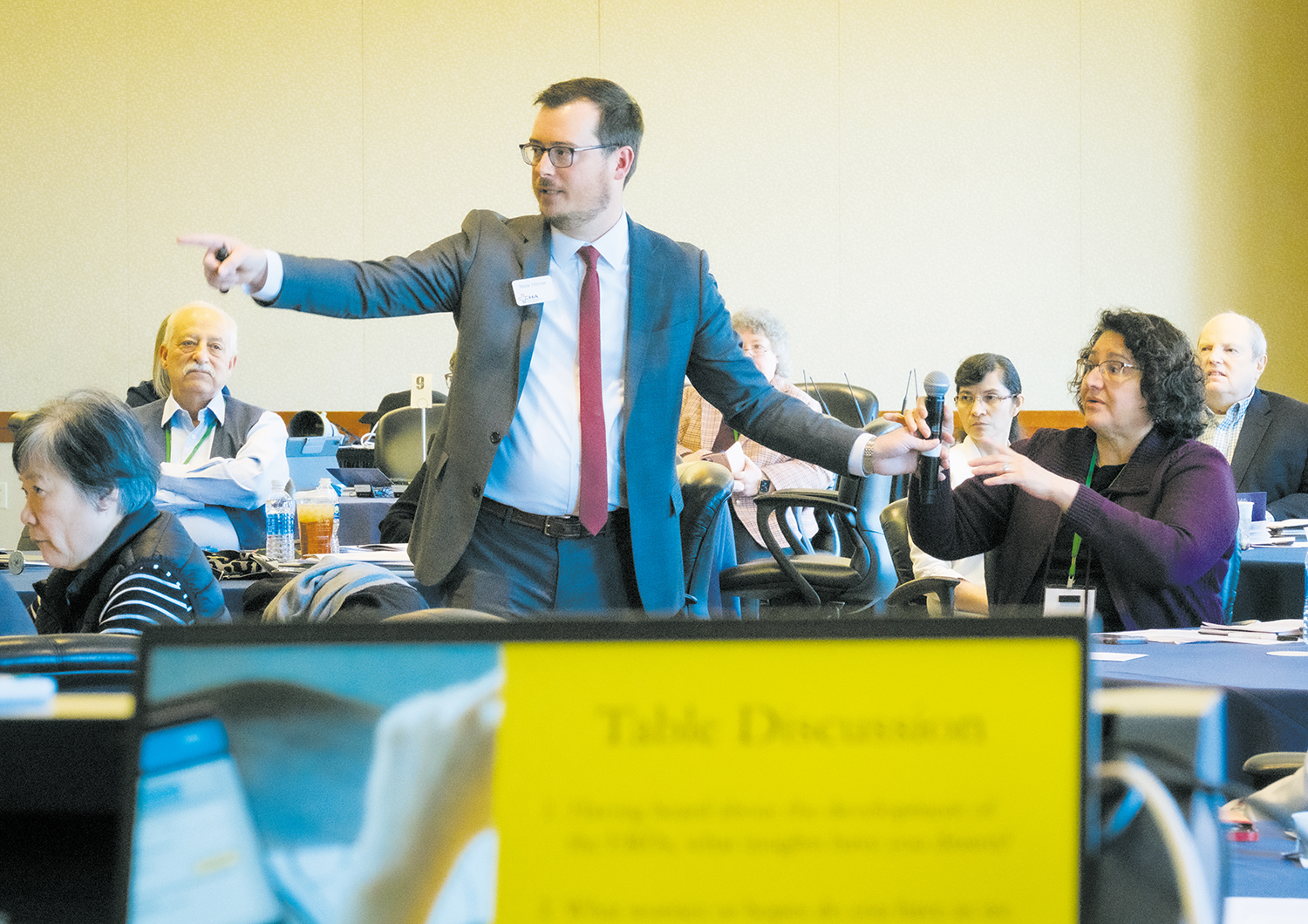
Project Legacy led to CHA efforts beginning around 2019 called Faithfully Forward to address these priority areas. But when the association's focus shifted to the pandemic starting in 2020, the work stalled.
COVID worsens outlook
Recently, CHA's sponsorship and mission services department — which led the Project Legacy and initial Faithfully Forward work — refocused on the pipeline issue. Hibner says that, restudying the landscape, CHA has confirmed that not only is there still a critical need to increase the pipeline, but also that turnover in these roles during the pandemic has worsened the situation.
The emergence of new challenges has made the issue even more critical. Hibner explains that with health care systems and facilities facing increasingly complex issues and decisions, roles in mission and ethics are more important than ever. For instance, ethicists' influence is needed as these organizations determine how to appropriately use artificial intelligence technology. So, Hibner says, the ministry needs more highly trained staff even as it struggles to meet current demand.
CHA also recognizes that the ministry needs more diversity in these roles so mission leaders, ethicists, pastoral care leaders, chaplains and others better reflect the communities they serve.
University partnerships
Kane and Hibner recently led the development of this newest phase of Faithfully Forward and are heading its implementation. This has included identifying Catholic colleges and universities offering academic programs in mission, ethics and pastoral care and serving a diverse population of students. Kane, Hibner and colleagues have been reaching out to these universities to discuss how best to connect with faculty and students.
Based on those conversations and meetings, they have developed materials in both print and digital formats that describe what leaders in mission, ethics, formation, and spiritual and pastoral care do in Catholic health care; why these roles are important; why there is such a need for new candidates; the benefits of pursuing these roles; and best ways to pursue them.
CHA has arranged for the university contacts to share the materials with students beginning this month. The materials will contain a QR code that students can scan to learn more.
CHA will offer additional resources to help students learn more about role responsibilities as well as potential formation experiences.
Kane and Hibner say they welcome partnerships with more universities.
Clinical fellowships
Kane notes that these partnerships are just one avenue to address the pipeline issue.
Another major recent initiative has to do with establishing more fellowships and internships in ethics. This is to address a longtime concern that candidates for ethics jobs often do not have sufficient practical experience. CHA has joined with the Association of Bioethics Program Directors to form the Council on Program Accreditation for Clinical Ethicist Training. Within the past year, the council became a member of the Commission on Accreditation of Allied Health Education Programs. These moves pave the way for creating more practicums for aspiring ethicists.
Kane says CHA is supporting member systems and facilities in establishing more sites for fellowships, internships and similar programs.
All of this work is about getting more organizations on board to recruit and prepare the next generation of ethics and mission leaders. "We're trying to identify organizations to advocate for these careers and to recruit these professionals we know we need in the ministry," Hibner says.
This is the fifth article in a series on how CHA's sponsorship and mission services department is reimagining its work.
Further reading:
CHA offers prayers, prayer resources for just about any need in online library
CHA's sponsorship and mission services department revitalizes its programming