
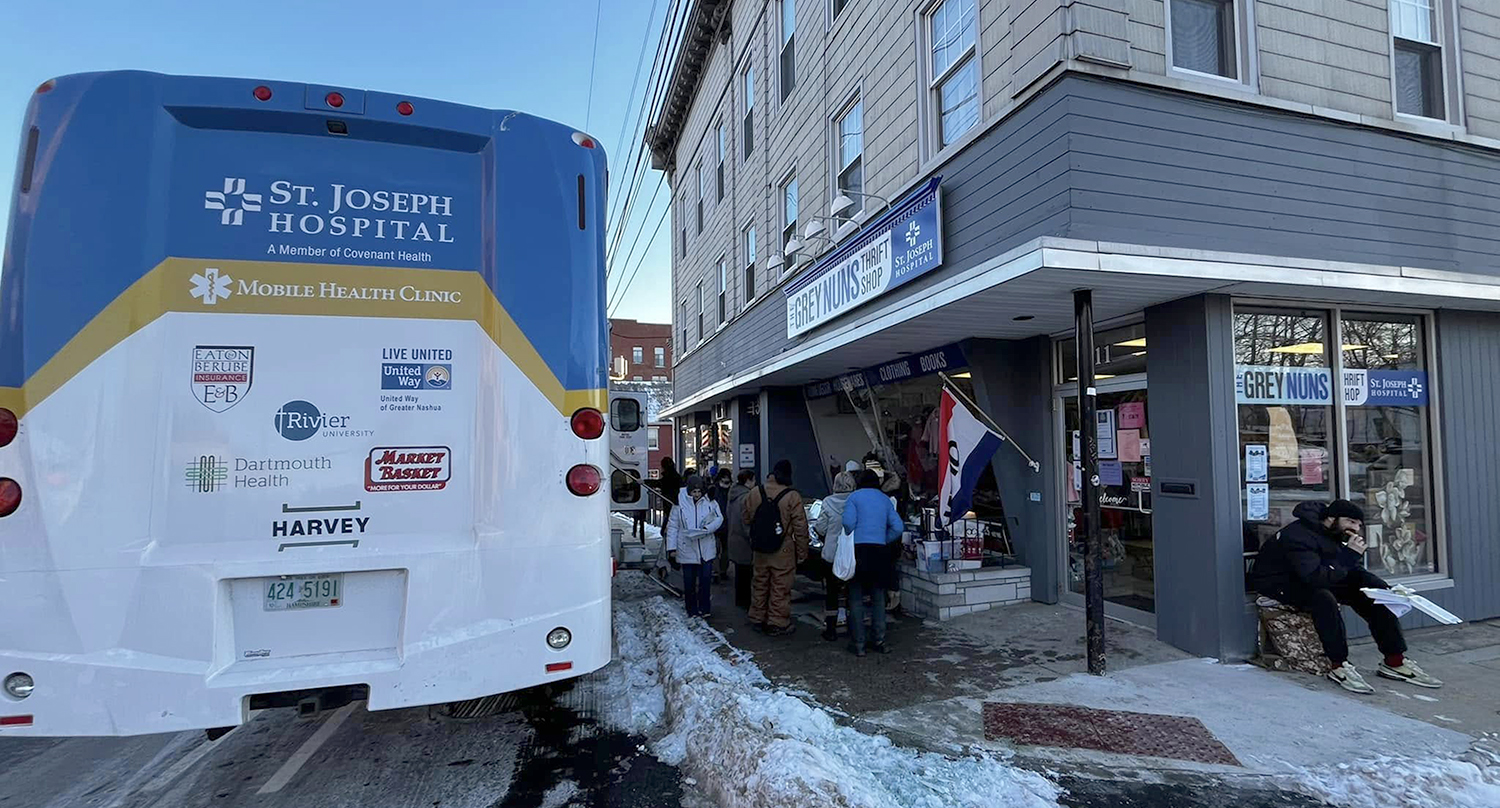
It was a freezing early spring day outside The Grey Nuns Thrift Shop in Nashua, New Hampshire, when a woman wearing high-heeled sandals walked up to Michele Canto.
The woman's feet were bright apple red.
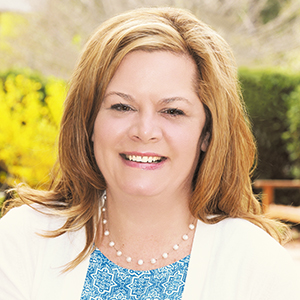
Canto was helping at the shop's monthly Mission Meals & Medical event where the St. Joseph Hospital Mobile Health Clinic provides health checks and serves hot meals. Canto, the hospital's director of community ministries, knew the shop could help with another immediate need.
"Your feet have got to be killing you," Canto said to the woman.
"Well, I don't have any other shoes," the woman replied.
"Well, let's go in and get you some shoes," Canto said.
Canto found a pair of fur-lined L.L. Bean slip-ons. The woman teared up and thanked her. "I couldn't even think of walking back home," the woman said.
The Grey Nuns Thrift Shop has become more than a place to find a bargain. "The pride of our mission in the community is knowing that every day we all go home knowing that we've made a difference in at least one person's journey," Canto said.
Willing supporters
The shop has grown exponentially in recent years, partly because it moved to a more visible location on Main Street in 2021, and partly because of growing partnerships with other community agencies and groups. Not only can the public donate items and shop there, but the groups also provide vouchers to clients so they can choose items such as pots and pans, an outfit for a job interview, or a warm coat. The groups outline in the vouchers what is needed, including sizes for clothing. The store documents the value of the items and reports it monthly to its leadership team. Neither the agencies nor the clients have to pay for the items.
In 2024, the shop accepted 1,400 vouchers for a total of $41,400 in goods. It also gave 48 sleeping bags and 61 tents to people who are unhoused.
As of May, the shop had accepted 784 vouchers for $31,200 in items this year. It has given away 24 sleeping bags and 43 tents.
Canto looks for grant opportunities for the shop, speaks publicly about its mission, and serves as the bridge between the shop and senior hospital leadership.
"When people find out about what we do and how we do it, they are more than willing to hop on board and support us however they can," she said.
Visibility and viability
The Sisters of Charity of Montreal, St. Joseph Hospital's founders and an order also known as the Grey Nuns, opened the thrift shop in 1997. They wanted a place to support people in need in the community.
A watercolor painting of order foundress St. Marguerite d'Youville hangs in the shop. The painting sparks conversation ("My aunt was a Grey Nun!") and helps tell the order's story.
Around 2010, the Grey Nuns turned over the shop to the hospital, which is part of Covenant Health. Canto began overseeing the shop around 2015 and is responsible for putting together a team for daily operations. She didn't know much about thrifting or vouchers, and the shop was lucky to make a couple hundred dollars in sales each month to help with rent, she said. Then the pandemic hit and the shop temporarily closed.
When it reopened, Canto started looking for a more visible location. She found one at 11 Main Street in the central part of Nashua, less than 2 miles from the hospital and near a neighborhood with stately Victorian homes that is often a rich source of donations.
"We get designer clothing with tags still on," said shop manager Mary Deshaw. "I got a pair of pants one time that had a $798 price tag on it."
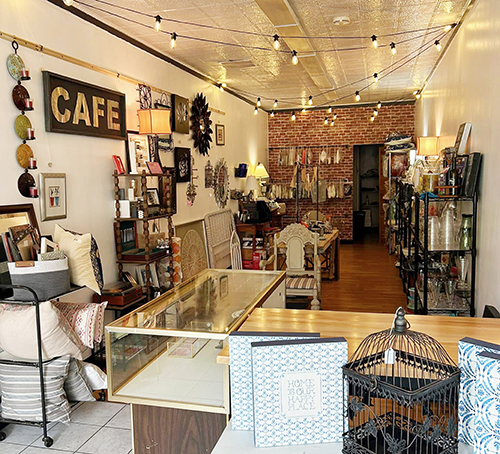
She said most vintage items and antiques go to a designated area of the shop. Her seven employees and two dozen volunteers sort donations and stock and straighten the store, often focusing on departments that interest them, like books or linens. Often volunteers come in for the camaraderie on days they're not scheduled to work, she said.
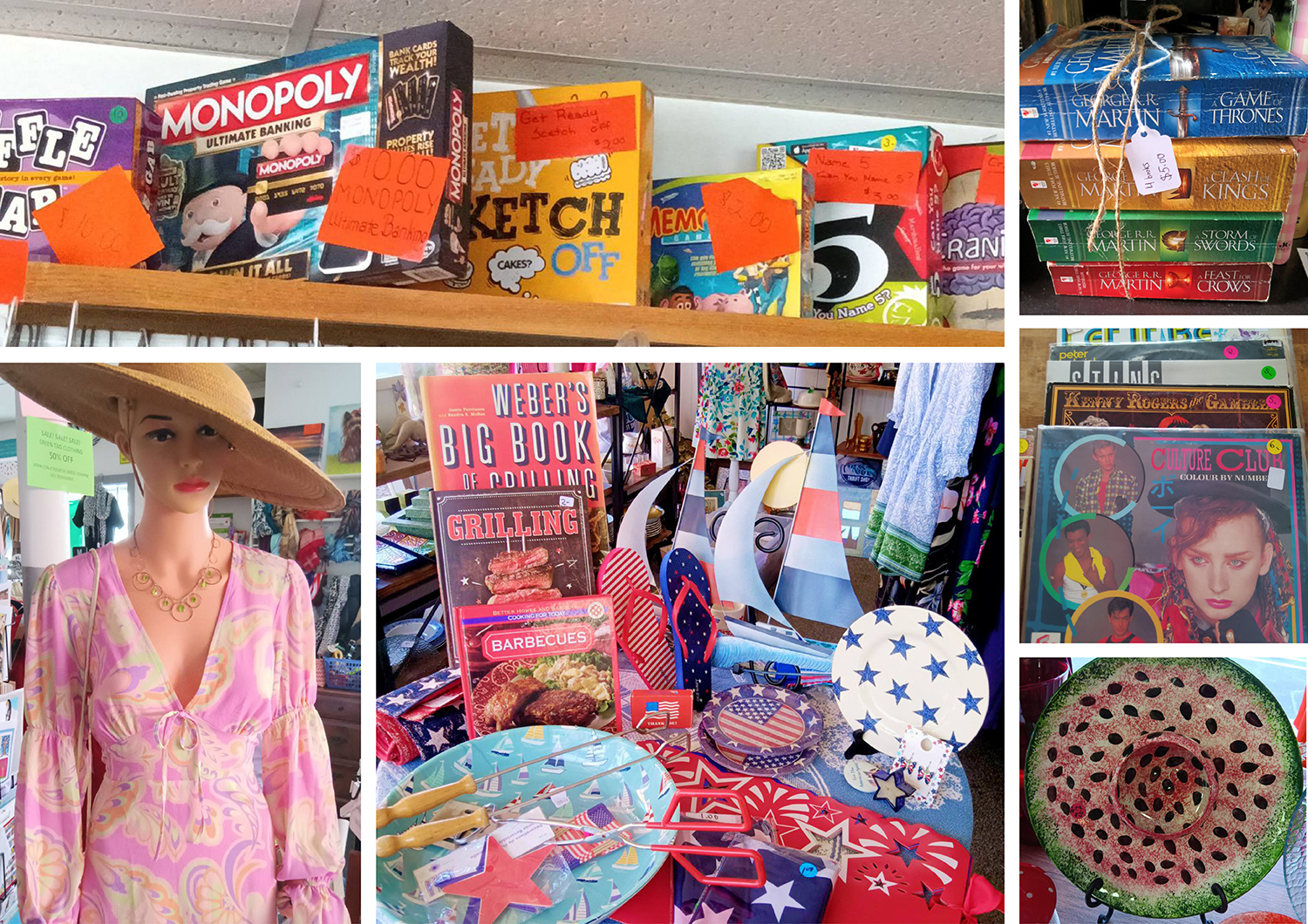
"Everybody works really hard to make it look like a boutique," Deshaw said. "It's really important to us to have it be a space that all of those people love and they know they're going to get great deals and find unique things.
"But even more importantly, it's a space where our voucher clients can come in and be treated with respect. All we ask back is that we get respect from them."
A growing need
The thrift shop partners with 30 community agencies, such as Greater Nashua Mental Health, Nashua School District, and family social services agency Marguerite's Place, that send clients to the shop with vouchers. Thrift shop staffers and volunteers sometimes direct clients to agencies for help if they are not connected already. St. Joseph Hospital also refers people to the thrift shop or uses it as a source of clothing for patients when they're discharged.
Voucher clients shop for themselves and get the same service as any customer. "It's very rewarding when people leave here feeling better than they did when they came in," Deshaw said.
Carol Weeks, the director of communications, events and volunteers for the Nashua Soup Kitchen & Shelter, said the organization has a long-standing relationship with St. Joseph Hospital. Hospital employees have served food at the soup kitchen. The shelter has given thrift shop vouchers to clients for about 10 years.
"It's been working out really, really well," she said. "We have had people go back to work because they've been able to get the correct attire or shoes or whatever through the thrift shop. We're just so grateful that they're willing to do that for us."
Deshaw said the community is generous. This winter, during stretches of bitter temperatures, she put calls out on the shop's Facebook page for warm blankets. Many of the donations that poured in were new.
Deshaw set the blankets out front with a "free" sign, and they disappeared quickly. "The response was incredible," she said. "The community just comes through big time."
Seeking support
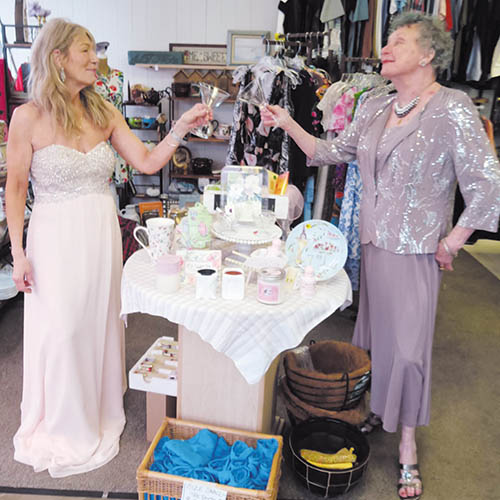
Two years ago, the thrift shop organized what's become an annual fashion show to raise money. The show helps spread the word about the shop. Deshaw also regularly posts items and stories on the shop's Facebook page, which attracts new customers, including vintage resellers from Boston.
Deshaw said St. Joseph Hospital subsidizes the shop's bills if needed.
She has advice to others who might run a similar, hospital-affiliated thrift shop: "Make as many connections as you can, because you're going to make friends who are going to support you when you need it. You've got to put yourself out there."
One woman who saw Deshaw's plea on Facebook donated new blankets and gave her number to Deshaw. "Call me whenever you need help," she said.
Recently, Deshaw did, and the woman brought new underwear and 15 backpacks, items clients needed but the shop didn't have on hand.
Gratitude comes from unexpected places. A man who works at a recovery center that sends clients to the shop had talked to Deshaw off and on over the telephone. One day, he told her: "I just want you to know that I am three years sober, and you guys were huge in helping me to get where I am, because you treated me like a human being."
He told Deshaw that the safety he felt and the respect he was shown on his visits to the shop helped him stay strong.
He added: "And now I work here, and I help people that are where I used to be."