In what organizers believe was a first, an SSM Health center for neurodivergent people recently hosted a gathering to showcase and celebrate the gifts of people with a variety of developmental profiles and cognitive differences — including savants with artistic and musical genius.
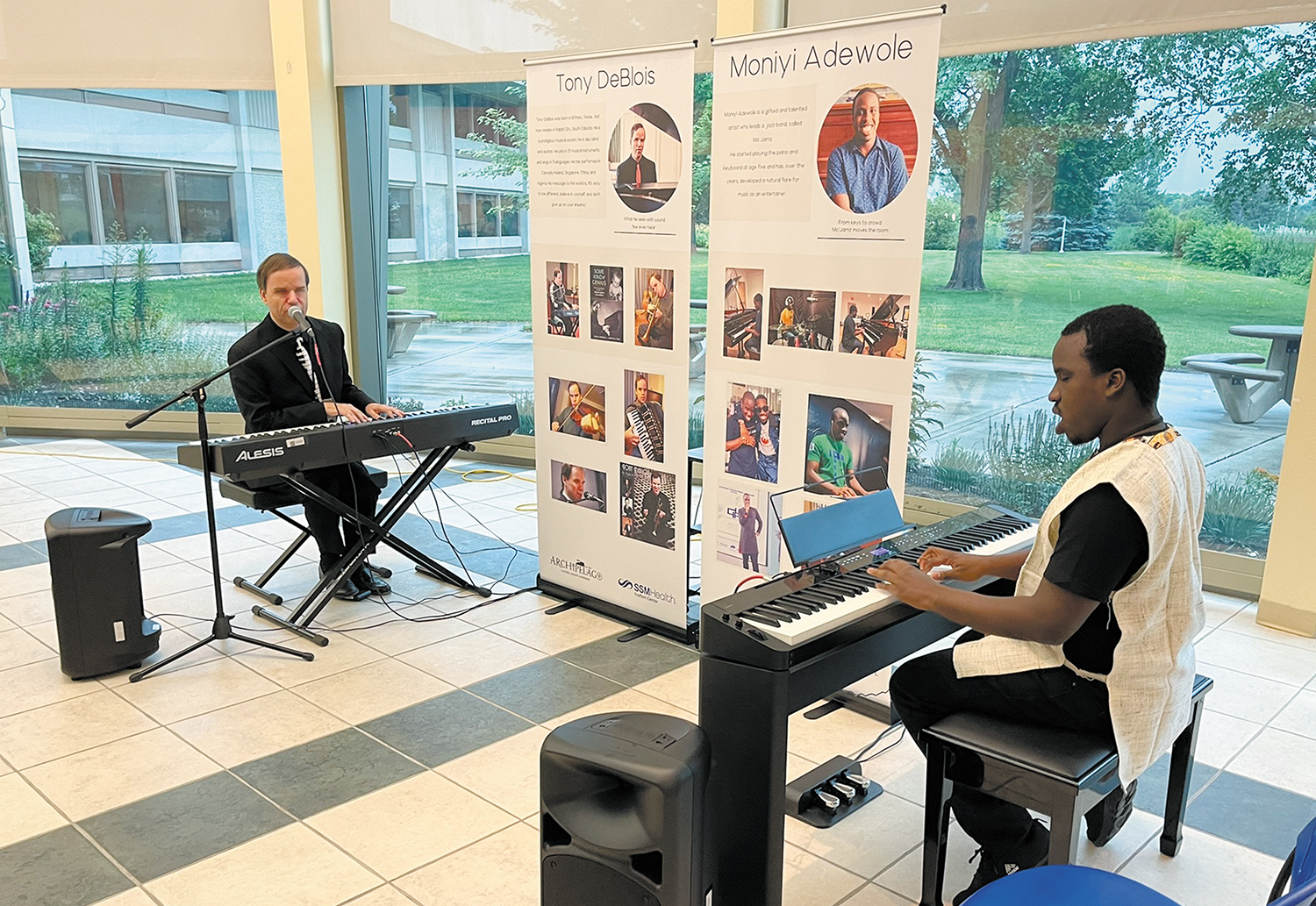
The Archipelago gathering July 11 at the SSM Health Treffert Center in Fond du Lac, Wisconsin, featured live performances, video presentations, creative exhibits, panel discussions and other demonstrations by 14 savants as well as information-sharing by researchers and academics in the field of neurodivergence. Savants are people who have both intellectual impairments and extraordinary abilities, such as in music, visual art, mathematics and science.
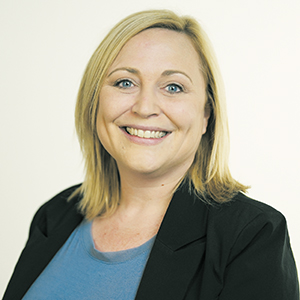
Meg Puddy, director of behavioral health services for the Treffert Center, says the event drew "people from across the globe, from all walks of life, gathering to celebrate and honor exceptional minds and human potential."
She adds, "It was clear that people came not just to observe, but to connect and celebrate something deeply meaningful. What emerged was more than an event. It was a moment of connection, celebration and belonging."
A different perspective
Dr. Darold Treffert, the psychiatrist and researcher who helped establish the eastern Wisconsin center for neurodivergent people nearly a decade ago, was a pioneer in his field in large part because he took a different perspective than was typical at the time about neurological impairments. He believed that intellectual differences were not essentially problems to be dealt with, but instead potential gifts to be discovered, nurtured and shared.
The center that bears his name hosted the gathering in line with that philosophy to celebrate and showcase the gifts of neurodivergent people, and to give those who are not neurotypical a chance to network with one another and build community.
The Treffert Center's medical director, Dr. Jeremy Chapman, says the center pulled together the event in response to calls from center clients and other neurodivergent people. He says the center gets inquiries on an ongoing basis from savants around the world, and frequently they say they want to connect with others like them. He says these savants often feel alone in their "marvelous — but isolating — experiences. They seek a sense of belonging, and they want to exchange advice and encouragement."
Islands of genius
The center held what its leadership believes is the first such gathering of savants to give them a chance to demonstrate their skills and to enable those who sell tangible works to market themselves and their work to potential buyers.
But, most importantly, says Puddy, the event served as a venue for bringing together a community of people longing for connection.
The name of the event relates to a concept that Treffert referred to often during his career — he said that savants' amazing talents are like "islands of genius." Chapman notes that additionally, in their isolation, some savants may feel like islands. Center leadership chose "archipelago" to represent these concepts. An archipelago is an expanse of water with many scattered islands.
Music, art, stories
More than 250 people attended Archipelago.
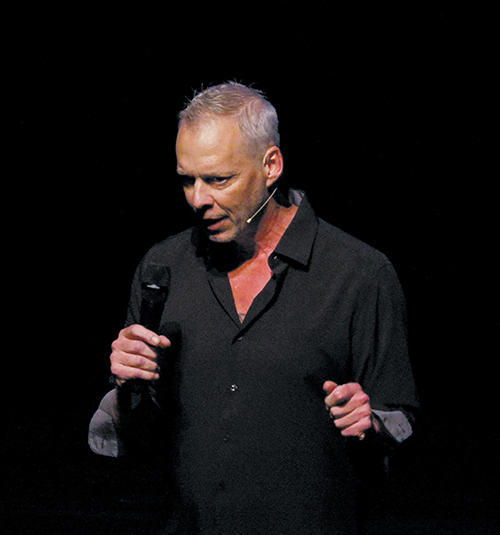
Fourteen savants shared their talents. Among them were Tony DeBlois, a blind pianist who can play thousands of pieces by memory; Jason Padgett, who came into his art abilities later in life; Derek Amato, who became a composer and pianist following a head injury; and Grant Manier, who discovered a talent for turning everyday objects into mosaics and other art pieces.
The four-hour event included exhibitions and performances by these and other featured guests, a tribute to Treffert and a presentation by the center's research team.
Puddy says it was heartening for her and other event organizers to see how, as attendees began converging on Fond du Lac, they were meeting up spontaneously and building relationships. "It was clear that something special was already unfolding," she says.
And that camaraderie continued throughout the event, she says. "Many individuals and families shared that it was the first time they had been in a space where their experiences were understood without explanation," she says. "The emotional impact was significant."
She adds, "It reinforced our belief that creating opportunities to honor strengths, especially rare and often misunderstood ones, is not just valuable, it is essential."
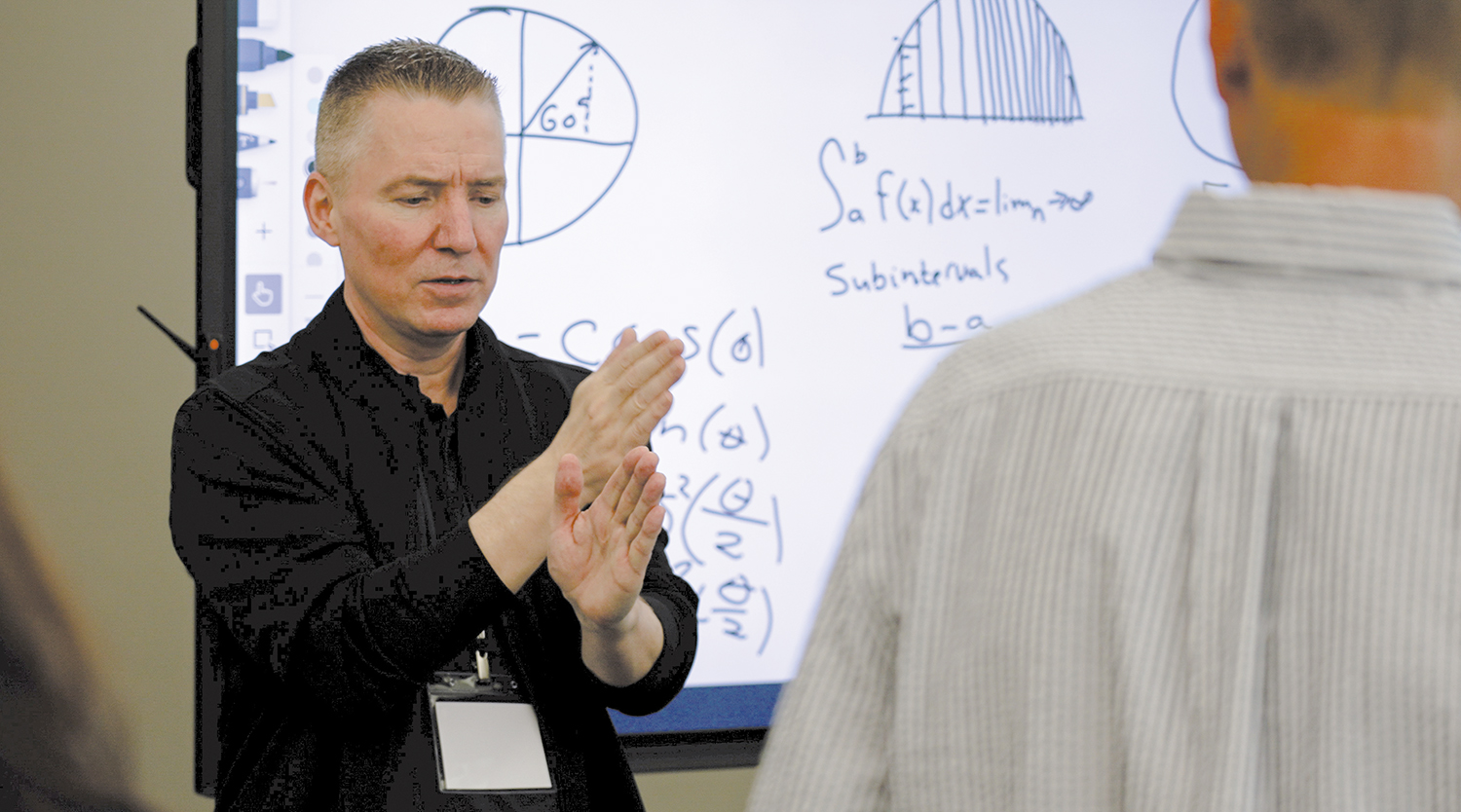
Since the event, Puddy notes, the center has been receiving positive feedback from attendees, including one savant who told them, "I've found my tribe."
Discovering strengths
Grant Manier and his mother, Julie Manier, were among the attendees.
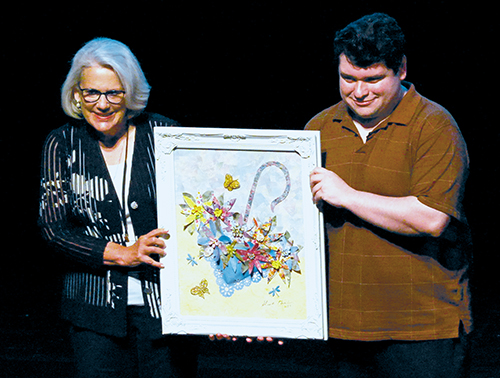
Julie says that when Grant was a child, people would say he was quirky and disruptive and didn't belong. She says those things were hard to hear. But she realized when he was a child that his fixation on tearing paper could be channeled to collage making. Once Grant learned to channel his tendencies into this skill, he blossomed, developing his artistic talent. He now creates elaborate artistic pieces from recycled materials such as puzzle pieces, leftover product packaging and magazines.
The family found a home in the center, and they moved to Fond du Lac to be close. Grant now creates and sells numerous art pieces, including to corporate buyers. He and his mom have created a book series for kids based on appreciating differences. He has earned an associate degree and is pursuing a bachelor's degree. And he teaches people how to create art from recycled materials. He has taught hundreds of students this art.
Grant says that connecting and sharing experiences with other savants at Archipelago underscored for him that "our differences can be our greatest strengths."
Chapman says the center plans to repeat and expand Archipelago. He says it's an opportunity to focus on abilities rather than disabilities.
Puddy adds that the event was a chance to provide hope and true acceptance for people who often may feel alone and confused and who are searching for answers.
She says, "The experience deepened our understanding of just how vast and varied these islands of genius truly are."