
Thomas, 53, had undergone treatment for cancer in his head and neck. He was free of the disease, but still suffered dehydration, malnutrition and profound depression. An inpatient palliative care team with Providence St. Joseph Health saw him in the hospital, and when he was discharged, he was one of the first patients at a new outpatient palliative care clinic.
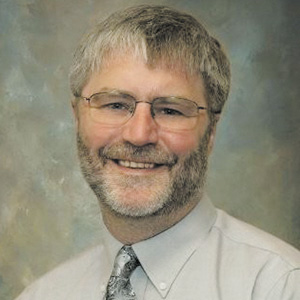
"This was clearly not an imminent, end-of-life situation," said Dr. Gregg VandeKieft, a clinical ethicist and palliative care physician at Providence St. Peter Hospital in Olympia, Washington, speaking about his patient during a June 24 CHA webinar called "Whole Person Care and the End of Life: Uniting Community, Health, and Policy for Human Flourishing."
After about a year of treatment at the clinic, Thomas came in one morning and said someone else could have his space on the clinic schedule. "I only came in today to say thank you," he said. "You've utterly changed my life."
That was in 2015. About six months ago, the cancer returned, and Thomas was readmitted to the hospital. In mid-June, he died while in hospice care.
"This is over 10 years after he was first seen by palliative care, and we were able to have a meaningful impact on his life, both upstream when he had years ahead, and also at the end of life, when it was time for him to have hospice care," VandeKieft said.
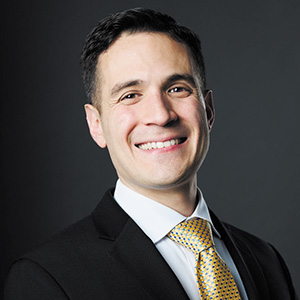
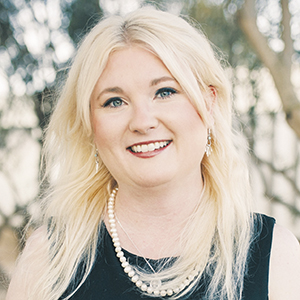
VandeKieft spoke about the benefits of palliative care alongside Robert Vega, director of public policy, secretariat of pro-life activities for the United States Conference of Catholic Bishops; and Rebecca Freeman, the pastoral care ministry coordinator for the office of family life for the Diocese of Orange in Southern California. They pointed out that true whole person palliative care requires addressing the physical, social, economic and spiritual needs of patients.
Defining palliative care
Vega explained the Catholic church's long-held support for palliative care. He quoted Pope Francis, who said palliative care "is above all a concrete sign of closeness and solidarity with our brothers and sisters who are suffering" and a "genuine form of compassion" that responds to suffering.
In times when some people turn to assisted suicide as a means for alleviating suffering, Vega also pointed out that palliative care provides a positive alternative of support to patients and families.
He said that palliative care is a community approach, and the Catholic Church recommends palliative training in the educational and health sectors. The church would like to see its institutions contribute guidelines for what good palliative care looks like, he said, and palliative care should be extended to families and caregivers.
There are challenges to funding, personnel and awareness, he said. The USCCB and CHA have repeatedly endorsed The Palliative Care Hospice Education and Training Act, a bipartisan measure, which has stalled in Congress.
Sharing resources
Freeman said her experience with her father's death led her into chaplaincy and then into her role as a diocese and statewide coordinator of the Whole Person Care Initiative, a collaboration of Catholic bishops and Catholic health systems in California. She encouraged participants to share resources, including ones from CHA, the USCCB's Respect Life Store, and the Whole Person Care Initiative.
"As we were talking to the faithful, as we're talking to parishes, we found that, unfortunately, people just didn't have a lot of information at all around this topic," she said.
That's why advocates need to work on grassroots education at the parish and community level, she said.
Freeman sees the steps to caring for the whole person as separate buckets: educating people and encouraging them to talk to loved ones about their wishes for end-of-life planning; building a network of partners at the diocesan, state and federal levels; and educating a parish community so they know what is available, especially the sacrament of the Anointing of the Sick. The blessing need not only be administered at someone's final hours, she said, and may be more impactful if the person is conscious.
She also pointed out ministries that reach the sick and told a story of a eucharistic minister who noticed a sick and homebound woman's yard needed care. The minister enlisted the parish Knights of Columbus chapter to help, and they arrived with lawn equipment. "It just meant the absolute world to her when she was already not feeling good," Freeman said.
Other groups also can fit into the network: The Emmaus Ministry for Grieving Parents; Catholic Aging, which provides support for loved ones of people with dementia; Project Rachel, for those grieving a loss of a child by abortion; and the National Association of Catholic Chaplains.
"There's so many beautiful ways that our clergy, that our chaplains, can really come alongside people and start exploring these different dimensions of a person's experience when facing serious illness," she said. "We really want to be part of that care team, because that's really an essential part of what this work is all about, and what that accompaniment looks like as well."
VandeKieft, the palliative care physician, said quality-of-life care should look at emotional, social and spiritual needs and the whole person, "all the dimensions of what it means to be human." "Providing high-quality palliative care encompasses all those dimensions," he said.