
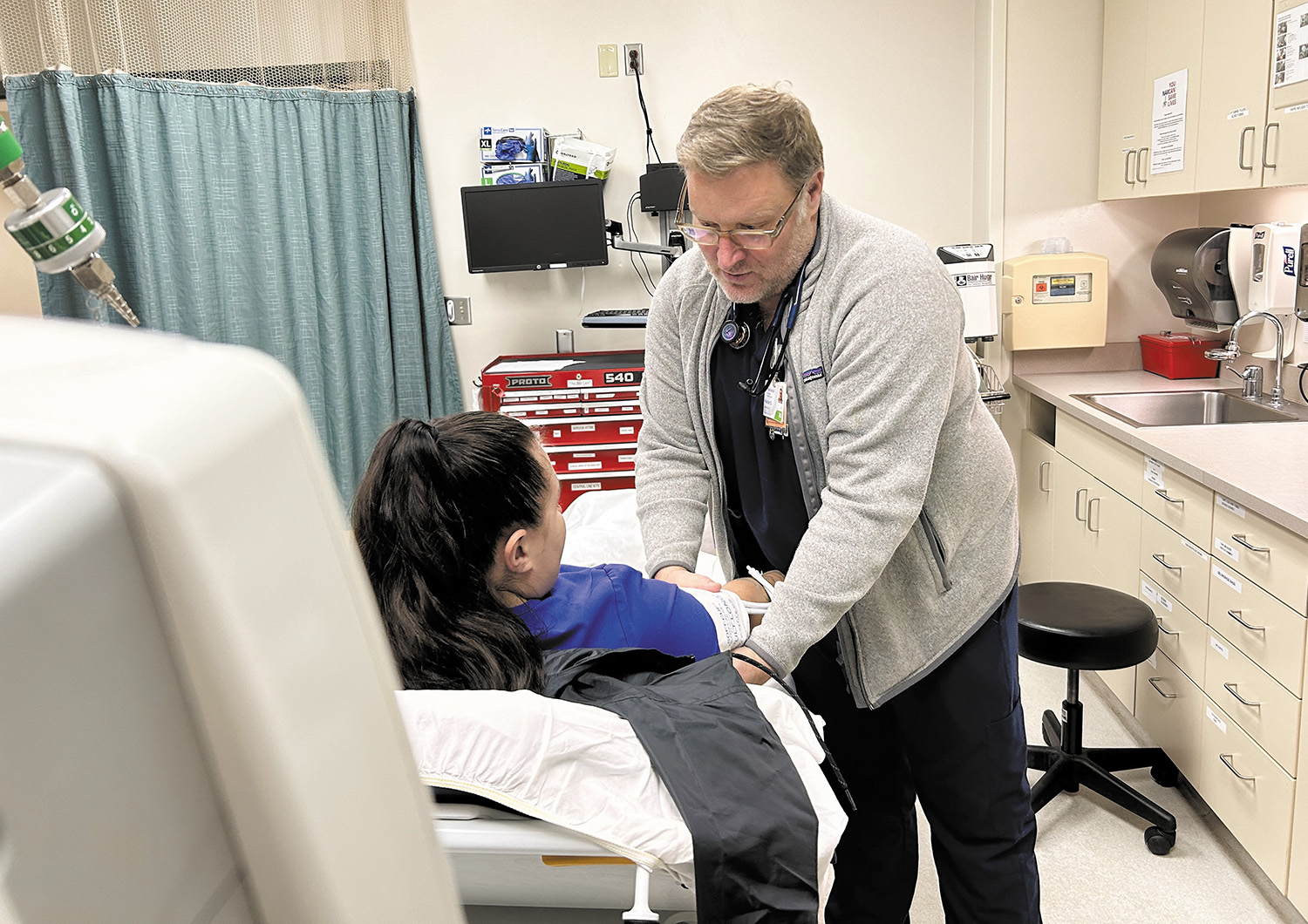
Large academic medical centers drive much of the innovation and advancement in health care. With most of these medical centers located in well populated areas, rural people tend to be underrepresented in the centers' research and slow to benefit.
A collaborative made up of Providence St. Joseph Health, Providence St. Patrick Hospital and the University of Montana seeks to address this and related concerns. Through an initiative they call RESOLVE, this group is bringing the Providence system's research capabilities and resources to bear so that the Missoula, Montana, hospital and the university can conduct more research locally and ensure that rural populations benefit from the findings.
The partners plan to involve health care facilities and academic institutions throughout Montana and beyond in RESOLVE. ("RESOLVE" is not an acronym.)
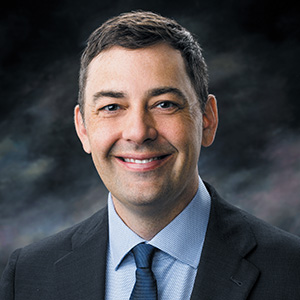
Dr. Daniel Spoon is Providence Montana chief medical officer, director of cardiovascular research and one of the founders of the RESOLVE initiative. "Rural health care's problems will never be solved by large, urban academic centers," Spoon says. "No one is coming to save rural health care. So, we need to think differently. We need a wildly different way to look at our challenges."
He explains that through RESOLVE, Providence and the University of Montana are seeking "less competition, more collaboration, more sharing of resources. We want to involve all health care systems and hospitals (in our area) in creating better access and care for all."
Baking the best cake
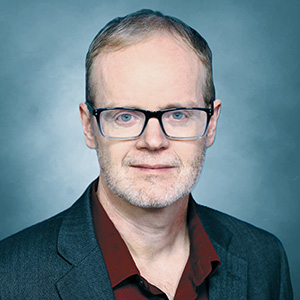
Bill Wright, Providence chief research officer, explains that the nation's academic research system can put the most advanced care and treatment out of reach of rural areas because the organizations driving much of the innovation are located far from rural areas and because nonurban health care facilities often lack the infrastructure and resources to innovate.
Wright says many rural areas are under enormous financial and workforce strains. They often do not have the capacity to conduct research in a comprehensive way or to build out innovative ideas to scale.
Spoon and Wright note that large academic medical centers and other innovators have tried to address rural populations' health care access concerns and to ensure rural areas can benefit from research. However, those experts don't always have a good understanding of the needs, capabilities and resources of rural providers.
Wright likens the situation to someone showing up with a baked cake that the recipient may not like versus someone taking the time to learn what type of cake the recipient likes best then using the best recipe to bake that type of cake for them.
'Match made in heaven'
Spoon was born and raised in Missoula then left to obtain an undergraduate degree from the University of Notre Dame in Indiana and then a medical degree from the Mayo Clinic College of Medicine & Science in Rochester, Minnesota. He practiced at the Mayo Clinic before returning to Missoula about a decade ago to join the medical staff of the 253-bed Providence St. Patrick. He says he returned to Missoula because he felt a calling to practice in his hometown, population about 78,000.
Spoon says he long has commiserated with clinical colleagues as well as associates at the University of Montana about the difficulty of bringing about significant change through hospital and university partnerships. He and others realized over time that what was needed was a strong hospital, a strong academic institution and a large organization with the resources to bolster their work. He says through RESOLVE, "we have a match made in heaven because we are unifying these three."
The partners will draw on the clinical expertise of Providence St. Patrick, the research capabilities of the university and the local connections and understanding of those two organizations, as well as the advanced research capabilities of the Providence system. The university has about 11,000 students. The Providence system has 51 hospitals across seven states.
The three partners have united under an informal joint governance model and a unified operating model. Spoon says they could evolve this into a more formal arrangement. The partners have been fundraising for RESOLVE. They've amassed $2.6 million in philanthropic support; they've secured two competitive research grants; and they're awaiting word on two more competitive grants.
From the ground up
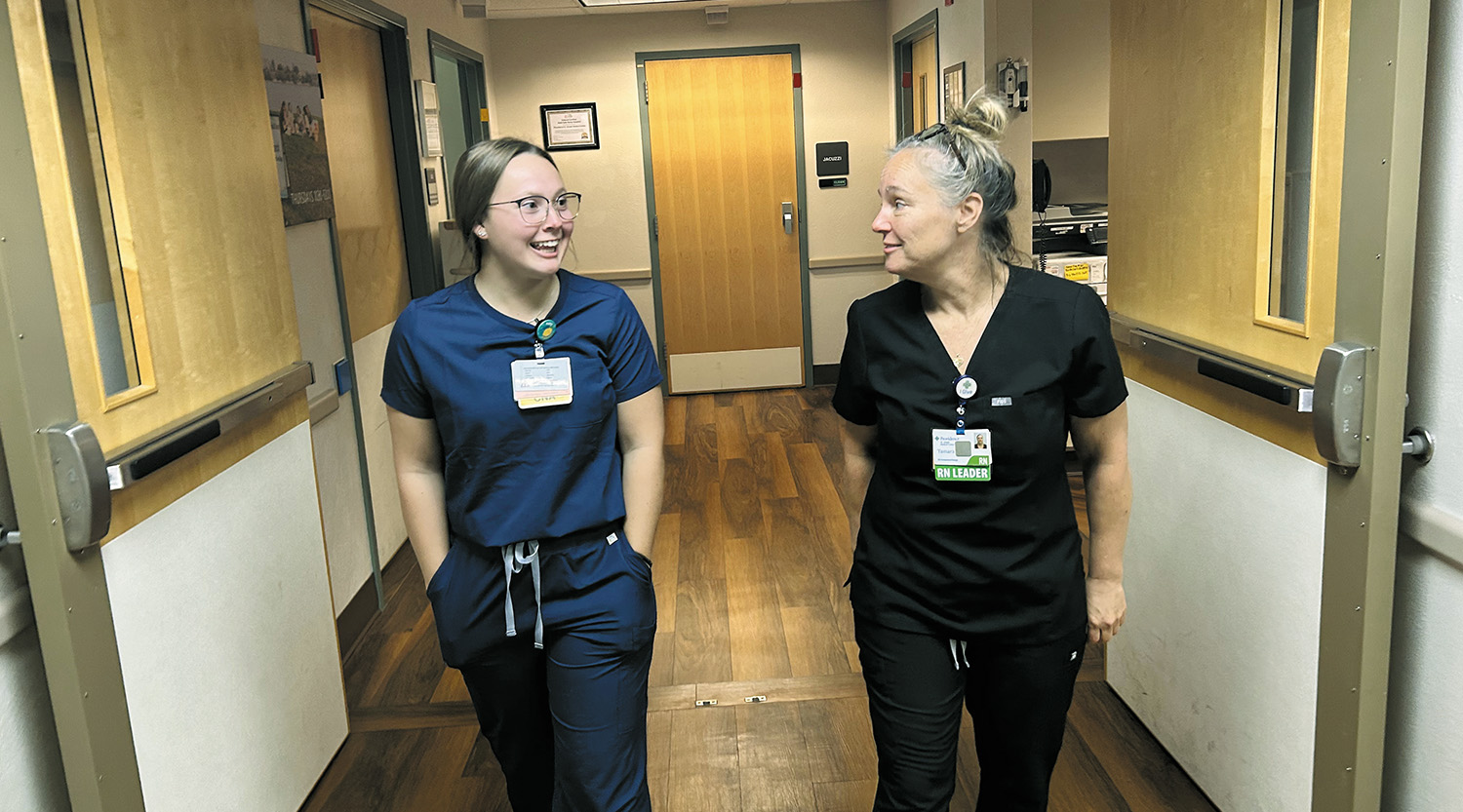
The RESOLVE partners are gathering input from in and around Missoula, surveying local health care providers and community members about what needs they want to see addressed, and asking researchers for ideas that could translate into better rural care.
The group will assemble resources around the most pressing challenges and the most promising ideas. They're pulling together teams of Providence St. Patrick clinicians, university researchers and Providence system research staff.
Wright explains that the approach is unusual because the research ideas and work are being conducted from the ground up — by local people. Normally, ideas are developed outside of rural communities and may not be well suited for local application.
Depth of research know-how
Wright says that key to success is that Providence has a robust research infrastructure that involves about 1,200 active investigators and hundreds of affiliated clinicians working on about 2,200 clinical trials each year.
Those experts will be contributing their knowledge and resources to the RESOLVE clinicians' and researchers' work, Wright explains. For instance, they'll help with paperwork, grant-writing, the institutional review board process, idea testing, research design and data analysis. Wright says this is the type of expertise that many rural clinicians lack.
Spoon says another strength of the RESOLVE network is the deidentified patient data that Providence St. Patrick can supply for research and the massive database and data analysis the Providence system can supply. Also, the Providence system has been honing expertise in advanced research such as genomics and the application of artificial intelligence that could benefit researchers in Montana.
Foundation to build on
The RESOLVE partners see immediate pathways for research in cardiovascular outcomes, cancer care and emergency response to extreme weather events.
But Spoon says there is virtually no limit to what rural health concerns the research initiative can investigate and improve.
The RESOLVE team anticipates enabling rural providers and academic partners across the state to use the infrastructure and approach they are building. Eventually, rural providers and academics nationwide could participate. Spoon notes that in time there likely will be a brick-and-mortar site where RESOLVE participants can convene in-person to share ideas.
Spoon and Wright say RESOLVE could spur innovation that could greatly improve health care access and outcomes in rural communities.
"We want this to turn into a movement," says Wright.