
How does one of the nation's largest health systems ensure that quality and safety are the top priority for its 160,000 employees and its 25,000-plus physicians and advanced practice clinicians? And how does it make sure that all those associates are pursuing this priority in a standardized way at the system's approximately 2,300 care sites in 24 states?
That is the formidable challenge CommonSpirit Health has been tackling since the system's creation in 2019.
The system has approached the problem in many ways, including making it clear that every staff member is responsible for quality and safety; having a formal structure for holding people at nearly every level accountable; and having processes in place that allow all staff members to determine best quality and safety practices and spread them across the organization.
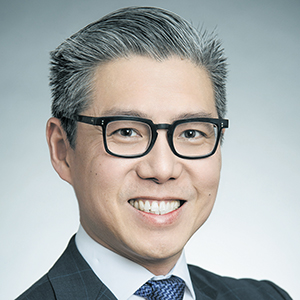
This comprehensive strategy is producing documented improvements and earning accolades, says Dr. Phillip Chang, who joined CommonSpirit in summer 2025 as senior vice president and chief quality officer. Prior to Chang's arrival, Tracy Sklar, system senior vice president of quality, and Roy Boukidjian, system senior vice president of patient safety, led quality and safety initiatives for the system.
Chang says of the steps the system has taken: "This has been all hands on deck to move the needle, and it's hard, diligent, detailed work."
He says the work is not just about statistics, it is about real people. "And, that's what I love about CommonSpirit, it's always about the patient," he says.
Bottom-up and top-town
When Catholic Health Initiatives and Dignity Health merged to form CommonSpirit, they had very different geographic footprints, operational profiles and cultures. Since the merger, the system has sought to strike a balance between centralizing these disparate operations and encouraging standardization while fostering innovation and a sense of ownership at the local level.
Chang explains that from a practical standpoint, striking this balance has meant that much of the system's work is driven at a regional level. But, especially regarding quality and safety work, Chang says, the system seeks to allow independence so its local facilities can develop and tailor approaches that best meet their needs. He says the system also has the infrastructure in place to replicate the best of those approaches.
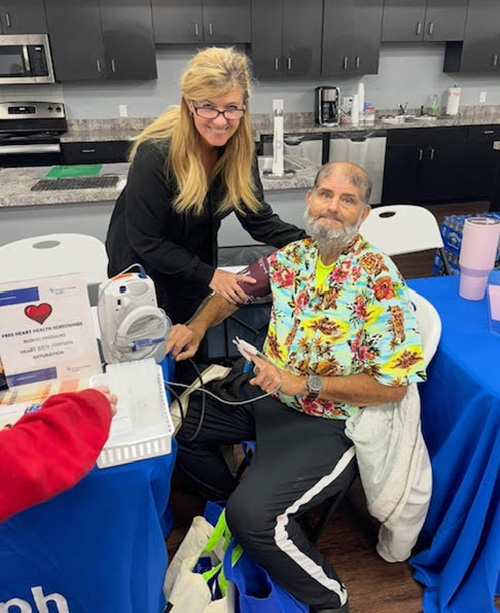
Some of CommonSpirit's protocols, practices and infrastructure promote this bottom-up, top-down movement of ideas, Chang says. For one, CommonSpirit has staff members at the national, regional, market and facility level who focus solely on quality and safety. There is a platform for them to share their work and to collaborate.
At the same time, leadership is held accountable for quality and safety outcomes, including by the CommonSpirit board and local facility boards — whether or not those leaders have "quality" or "safety" in their titles, says Chang. The boards use benchmarking to ensure consistency in how they evaluate these leaders on quality and safety measures.
He notes that up until now, much of the focus on standardization and innovation in quality and safety has involved inpatient care. Plans call for CommonSpirit to continue to focus on improvements in the ambulatory care environment, building on that work. Also, the health system plans to conduct a detailed analysis of how patients flow through service lines. Analysts will look at how consistent quality and safety are at each step.
Academic rigor
Chang notes that CommonSpirit's quality and safety work benefits from the fact that the system owns or has affiliations with multiple academic medical centers, including Baylor College of Medicine in Houston; Creighton University School of Medicine in Omaha, Nebraska, and Phoenix; and Morehouse School of Medicine in Atlanta. CommonSpirit's network also includes other types of training and educational sites.
He says having this strong academic bent to its network enables CommonSpirit to involve researchers in building an evidence base around quality and safety protocols and to involve residents from the very start of their careers in incorporating the best quality and safety practices into their daily work. Many of these residents then remain at CommonSpirit facilities and spread what they've learned.
Health equity
The work is having a measurable positive impact on patients' access to care and outcomes. Many patients have better-controlled blood pressure, improved diabetes control and fewer complications because of this work. CommonSpirit data also shows that its facilities have increased their mental health screenings. This in part resulted in more detection of mood disorders among new moms. Also, mortality rates have decreased generally across CommonSpirit for heart failure, stroke, and percutaneous coronary intervention, or what was previously known as angioplasty.
CommonSpirit also has received strong quality and safety scores from The Leapfrog Group and the Centers for Medicare and Medicaid Services. It's received awards for quality and safety accomplishments from the American Hospital Association, the American Heart Association and the Joint Commission.
Chang says that some of the greatest results of the standardization and innovation in quality and safety have been in health equity. He notes that CommonSpirit has been standardizing its electronic health record and enhancing its data analysis work, and this has helped the system bolster its approach to health equity in quality and safety.
He explains that CommonSpirit monitors its care delivery and outcome measures, looking for statistics that point to unequal health access or results. Staff investigate those aberrations and address them. The goal is to ensure consistent, high-quality care and strong health outcomes across its patient populations.
He emphasizes that taking this comprehensive, systematic approach to eliminating disparities gets to the core of CommonSpirit's mission.
"We say we will care for those with and without means," Chang says. "We don't abandon anyone. That sets all of us in Catholic health care apart, and it speaks to what we at CommonSpirit Health are doing as quality and safety leaders."