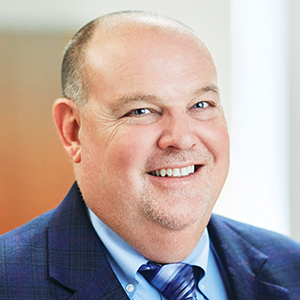
The leaders of CHA and two other faith-based organizations said the Trump administration's dismantling of the U.S. Agency for International Development and other changes to U.S. global health policy and strategy are having a detrimental impact on poor and vulnerable people around the world.
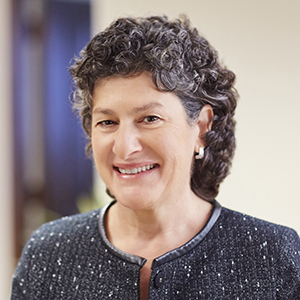
The reduction in U.S. foreign aid and outreach to low-income nations "hits at the heart of who we are," said Sr. Mary Haddad, RSM, president and CEO of CHA. "This is a moral crisis now."
Sr. Mary was a panelist on a Jan. 29 webinar along with John Monahan, senior adviser, Georgetown University Global Health Institute; and Nkatha Njeru, CEO of the African Christian Health Associations Platform.
The speakers said low- and middle-income nations need the donations from USAID and are suffering without that ongoing influx of funds.
"It is a dramatic change in the donor landscape, and it is overwhelming and challenging" for the international community to deal with, Monahan said.
The three leaders called for organizations of goodwill from around the world to join together to advocate for poor and vulnerable people around the world, as well as to oppose the global aid funding cuts.
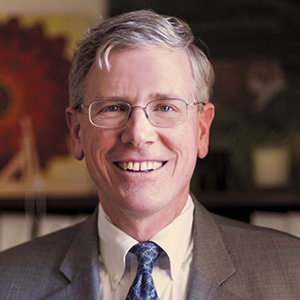
"We need to partner for the future. We need to think of sustainability and what we want to achieve," Njeru said. "We need to be deliberate in how we engage and what our real priorities are. And we need to ensure we are listening to each other."
The webinar, "United for Change: A Catholic Response to Today's Global Health Challenges," was hosted by CHA, Georgetown Law's O'Neill Institute for National and Global Health Law, Georgetown University Global Health Institute and that institute's Faith and Global Health Initiative.
Millions of lives at stake
USAID began in 1961 as an independent agency of the executive branch. Its goals were to provide humanitarian assistance and support developing countries' economic growth and resilience. Especially over the last 20 years, the United States "has been the leading government donor to humanitarian response plans, development aid, and multilateral development banks" mainly through USAID, according to an analysis published in The Lancet in July. In 2023, USAID gave $55 billion in aid.
Last year President Donald Trump signed an executive order that suspended foreign aid programs, except for emergency food assistance and military aid. The administration since has dismantled USAID and transferred some of its functions to the State Department while significantly reducing foreign aid.
The Lancet analysis indicated that between 2001 and 2021, USAID dollars prevented an estimated 91.8 million deaths, including 30.4 million children. The study predicted that the USAID funding cuts could result in about 14 million deaths worldwide, including 4.5 million children.
The cuts could reverse decades of pro-gress, the report concluded.
Choosing medicines or food
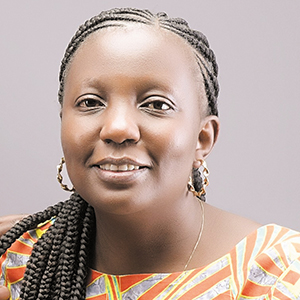
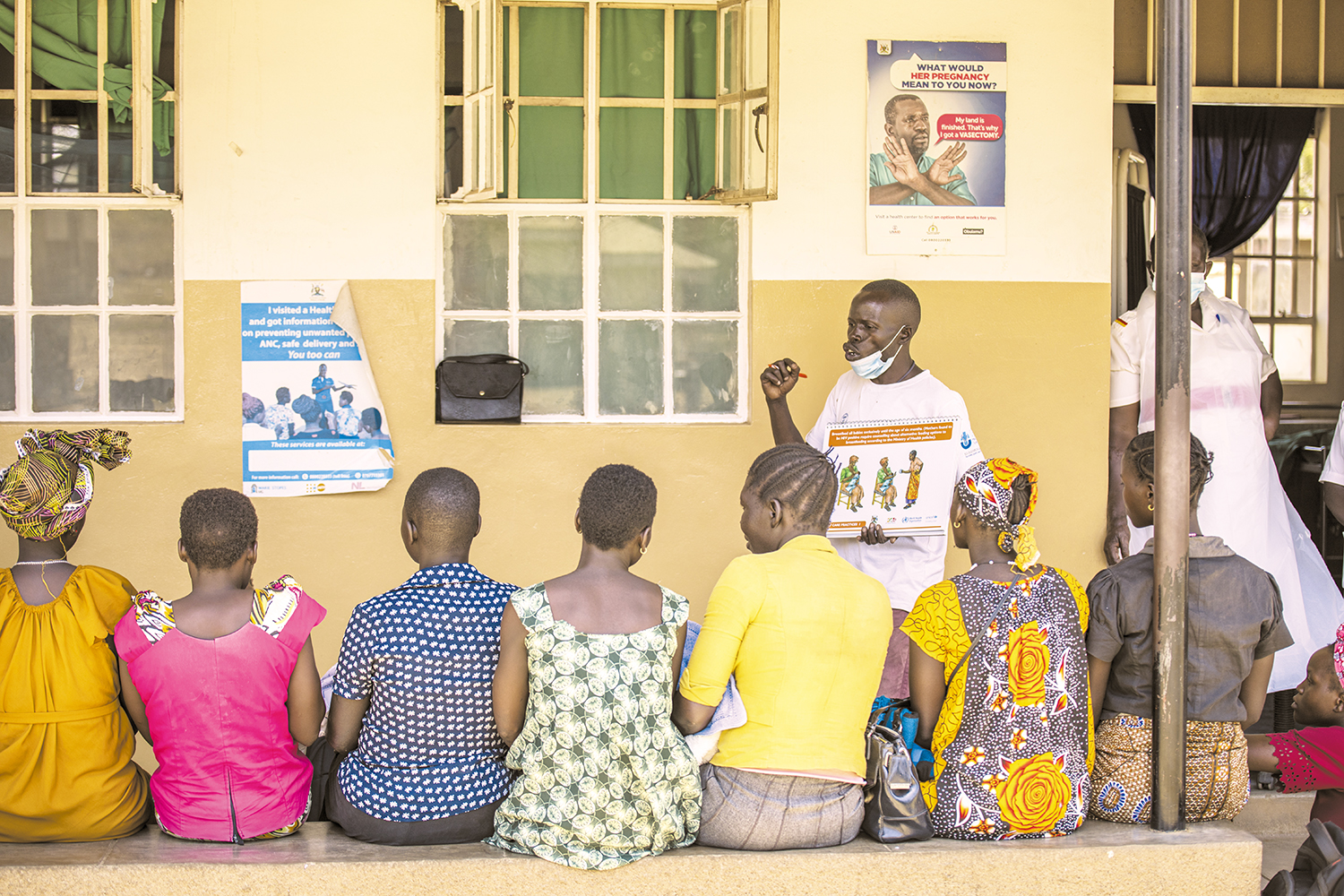
Njeru's organization connects more than 10,000 faith-based health care facilities in more than 30 African countries to help them share knowledge and tools and advocate together for solutions to their challenges. She said that faith-based and other private providers do not get public funding and must rely heavily on donors. Njeru said USAID had been a crucial funding source and the cuts in that aid are forcing already stretched health care facilities to make difficult decisions, such as cutting staff. She added that other countries that had provided economic aid also are cutting back.
Njeru said the funding reductions are making it more costly and difficult for people to access health care. She said some families are having to choose between feeding their children and accessing medical care.
Sr. Mary said the COVID pandemic reminded everyone that the world is interdependent "and we are impacted by what happens in other countries."
Sr. Mary added that cuts to health care funding are putting U.S. providers at risk. She said the Catholic health ministry provides a significant amount of aid globally and she is concerned that amid the crunch these systems are facing financially, they may not be able to prioritize global health aid to the level that they have historically.
"My fear is that we will be so focused on what we're facing in the U.S. that we will be blindsided to the broader problems," Sr. Mary said. "We don't live in isolation."
Monahan said the cascading negative impacts of the new national policies show that "it's both morally and strategically problematic" for the U.S. government to cut aid programs, both foreign and domestic.
More voices
Amid the cutbacks and changes in how the U.S. government relates to other countries, Monahan said, "There is a role for more voices, including the Catholic Church."
The speakers said that it is essential for organizations to unite to respond to the situation. They said organizations around the world must together advocate for the low- and middle-income countries that are suffering because of the cuts in government aid.
Monahan said coalition building has worked in the past, spurring the U.S. government until 2025 to become the leading donor of foreign aid. He said it is time for Catholic Church ministries to be a prophetic voice, leading coalitions like those of the past to restore support for those in need around the world.
The international community needs to promote a sustainable model of development for countries in need, the webinar presenters agreed. Njeru emphasized that it is important to build partnerships in the right way, focused on being intentional and on working toward a strong infrastructure for the future. She acknowledged that people are concerned about long-term instability in Africa and the ongoing need for aid there. But she said the African nations depend on resources and support to build up systems that will make them more independent in the future.
She said that partnerships that form to seek solutions will need to listen to the people in the countries they are helping and incorporate their input into solutions.
Silver lining
The webinar presenters said although the funding cuts have had a significant negative impact on vulnerable countries worldwide, there are some signs of hope.
Njeru said she's seen organizations in Africa gain clarity on their mission as they've been forced to prioritize their most essential work.
Monahan said he has hope that global coalitions of organizations will be able to work together for good. He said those organizations will have to work with those currently in power in the U.S. government to impact the work happening overseas. He said there are some promising areas of common ground to work from.
Sr. Mary said the coalitions advocating for goodwill need to rise up and speak out for what's right and engage. "What is most needed is for us to speak truth to power and to ensure the gospel message is integral to all we do," she said.