
In most cases in the U.S., bishops are responsible for ensuring that the ministry facilities in their dioceses maintain a Catholic identity and further Jesus' healing ministry. The Catholic health facilities, in turn, are responsible for reporting to the bishops how they are fulfilling their charter.
For this reciprocal relationship to work well, the bishops and leaders of the ministry facilities in their dioceses must build and maintain strong partnerships. This can be both a challenge and an opportunity.
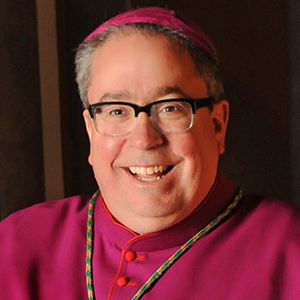
During a Dec. 9 CHA webinar, "Reflections on Creating Positive Ecclesial Relationships," Bishop Michael Olson and ministry leader Mark Repenshek offered tips on how to make relationships between bishops and ministry leaders as healthy and fruitful as possible.
"We need dialogue about how Catholic health facilities are carrying out the ministry — we need discussion," said Bishop Olson, who heads the Diocese of Fort Worth, Texas.
While there no longer are ministry facilities in his diocese, he frequently interacts with Catholic health care leaders as chair of the United States Conference of Catholic Bishops' Subcommittee on Health Care Issues.
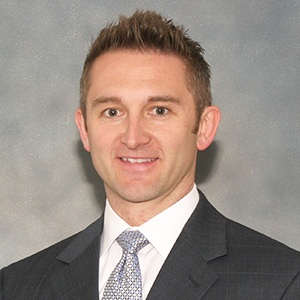
Repenshek, who is Ascension vice president of health care ethics and church relations, said it is essential for ministry leaders who work with bishops to have a comprehensive understanding of bishops' roles and to demonstrate a deep conviction "about what the ministry is about and why it is important and needed."
Grounded in Scripture
Bishop Olson and Repenshek explained that ministry leaders who interact regularly with bishops should have an in-depth grasp on the Catholic health ministry's Scripture-based purpose.
Among other passages, they cited the parable of the Good Samaritan, the outsider who went to extraordinary lengths to aid a man who had been beaten severely. Bishop Olson noted how the Good Samaritan helped a person who was victimized, impoverished and needed resuscitation. Likewise, he said, Catholic health care has a mission to tend to people on the margins.
Bishop Olson said the USCCB's Ethical and Religious Directives for Catholic Health Care Services guide how Catholic health care facilities should answer the call to carry out Jesus' healing mission. He said that the directives evolved from 1921, when they were primarily a list of rules, to now, when they are an increasingly comprehensive description of the covenantal relationships between Catholic health facilities and their constituents — including the bishops.
Shifting dynamics
Bishop Olson noted that while the formal connections between the church and Catholic health facilities originally were maintained by the bishops and members of the religious congregations that founded the facilities, that dynamic has changed dramatically. With the presence of clergy declining and the lay apostolate holding increasing sponsorship authority, bishops are working primarily with lay leadership in the ministry.
He and Repenshek said that since bishops and ministry leaders are individuals, there will be great variation across the ministry in how well they all understand each other's roles and responsibilities. Repenshek said it is of prime importance for ministry leaders, and especially those who speak with church leaders, to have a firm grasp on their facilities' canonical roles and responsibilities as well as on the roles and responsibilities of the bishops. He said a great place to start is with the USCCB resource "The Pastoral Role of the Diocesan Bishop in Catholic Health Care Ministry" and the accompanying CHA study guide.
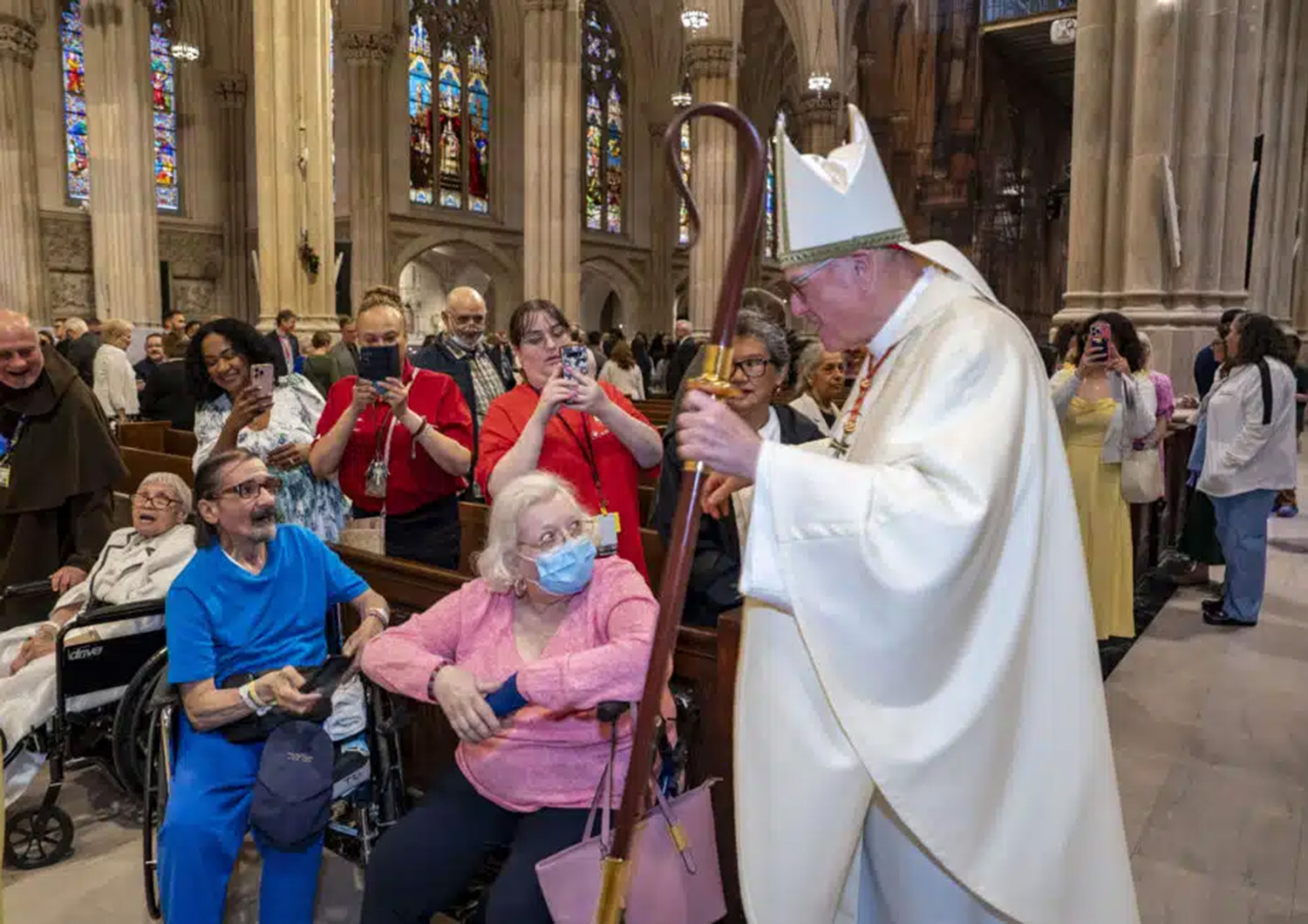
Bishop Olson said ministry leaders should understand that bishops have three key areas of responsibility: teaching, sanctifying and governing. "This is what we'll answer for, and we take that very seriously," he said.
Five principles
Bishop Olson and Repenshek shared five key principles for creating and sustaining positive relationships with bishops and their staffs:
- Never surprise your bishop
- Ask the right questions
- Foster an atmosphere of mutual understanding and collaboration
- Get to know your bishop before you need your bishop
- Understand the episcopal landscape

Repenshek said ministry leaders' focus should be on communicating openly and transparently with bishops and building trust. This may mean erring on the side of over-communication. When in doubt, talking it out is the best way to go.
Also, he said, it's smart to clarify early on what matters the bishops want to be involved with and when. There should be a balance between deference and dialogue, he said.
Repenshek also stressed the importance of respecting bishops' busy schedules by alerting them to potential issues and needs early and allowing them sufficient time for discernment.
Additionally, the leaders should learn the context in which bishops are operating. It is a good idea, for instance, to let bishops know which other dioceses health systems operate in. This way, those bishops know which of their fellow bishops the health system is working with.
'Bishops are human, too'
Bishop Olson and Repenshek summarized the principles they had shared: collaborate, communicate and cultivate.
Both men stressed seeking mutual understanding in these relationships.
Bishop Olson said many bishops appreciate when ministry leaders show an interest in learning where they are coming from, gaining knowledge of the church and its health care ministry, and seeking common ground. He said many bishops like it when ministry leaders take time to build bonds before making requests, and when they share not only negatives but also positives. "Bishops are human, too," he said.
Repenshek noted that the ministry's "Shared Statement of Identity" is a good place to start the ongoing conversation between the bishop and the ministry leader. Completing CHA's ministry identity assessment can provide a framework for ongoing discussions.
There is always common ground to build on, Bishop Olson said, noting, "We believe in Catholic health care."