
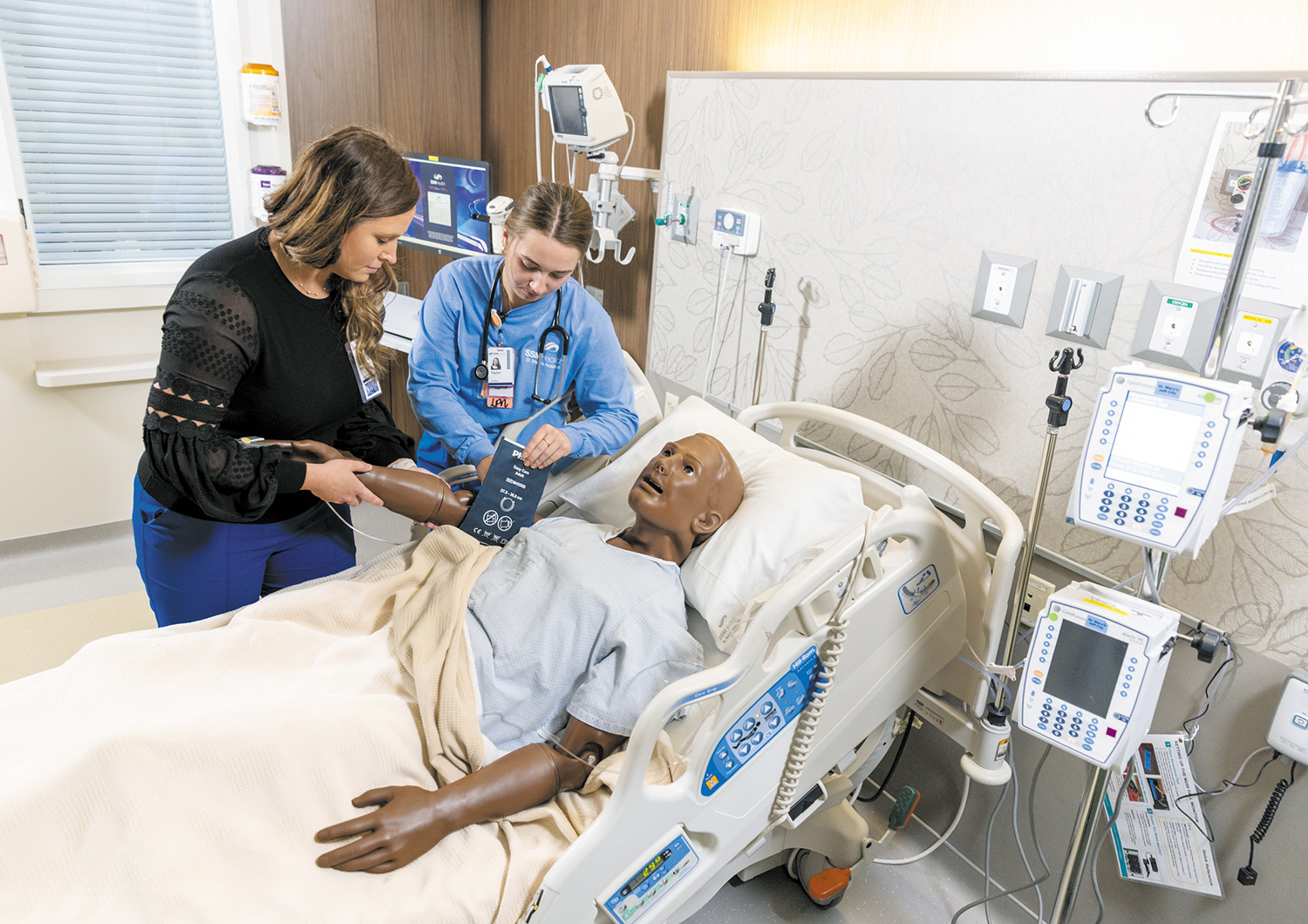
SSM Health and Chamberlain University are partnering to address the nationwide nursing shortage through an initiative to recruit and train nursing students from communities within SSM Health's catchment area.
These students will pursue degrees through Chamberlain University while getting clinical experience at an SSM Health facility. The program includes financial support.
A key concept behind the initiative, called the Aspiring Nurse Program, is to train and educate students close to where they live, and incentivize them to stay within their hometown SSM Health facility after graduation.
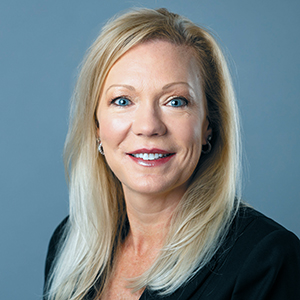
Amy Wilson, SSM Health chief nurse executive, says, "We believe we'll deliver better health care if people who live in our communities are trained in our communities. We believe that having local nurses on staff creates and improves trust with community members. And research says this also improves outcomes and addresses disparities."
The Aspiring Nurse Program is expected to add more than 400 new nurse graduates annually in the four states where SSM Health operates and beyond. Those states are Oklahoma, Missouri, Illinois and Wisconsin.
Critical nurse shortage
According to a November 2024 analysis by the Health Resources and Services Administration, by 2037, there will be a shortage of nearly 208,000 full-time nurses. Oklahoma is one of the 10 states that HRSA says will have the largest projected shortages.
Wilson says the situation likely is even worse than HRSA is projecting, because the analysis does not take into account that not all the registered nurses in the count will be actively practicing.
According to the American Association of Colleges of Nursing, some reasons for the shortages are that nursing school enrollment is not growing fast enough to meet demand; a shortage of nursing faculty is preventing schools from welcoming more students; an aging population is necessitating more nurses; burnout is increasing among nurses, prompting them to exit the profession; and many nurses are retiring or nearing retirement age.
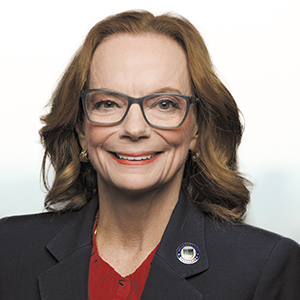
Karen Cox, president of Chamberlain University, adds that it is difficult to get into, stay in and complete nursing school. Cox attributes this challenge to what she refers to as the social determinants of learning for deterring prospective students. These are social factors, such as financial constraints, life stressors, transportation and living conditions that stand in the way of success at school.
Mission alignment
Chamberlain University is a college of nursing and public health based in Chicago. Its flagship campus in Addison, Illinois, is one of 23 campuses in 15 states. The college also has online learning courses. It has over 40,000 students in its bachelor's and master's programs. It is part of Adtalem Global Education.
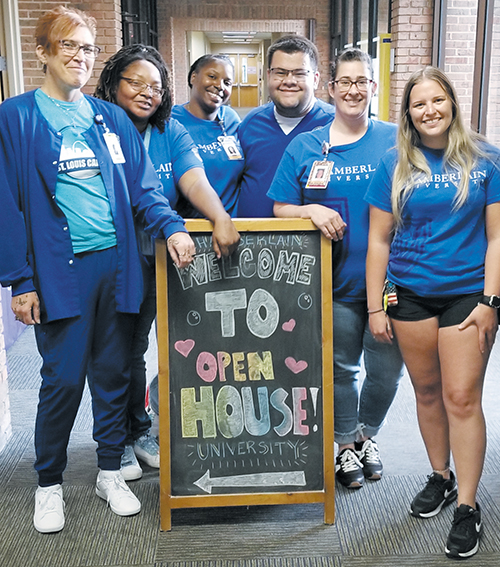
SSM Health was familiar with Chamberlain through an earlier and more traditional relationship in which Chamberlain students receive prelicensure training at SSM Health facilities in the St. Louis area. Chamberlain graduate students also have trained at the health system's facilities. Also, some of SSM Health's clinicians went to school at Chamberlain's campus in St. Louis (the only Chamberlain campus in a city where SSM Health has a presence). When the two started talking about how best to partner to address the nursing shortage crisis, SSM Health already knew of Chamberlain's quality and success, notes Wilson.
Cox adds that both organizations have found common ground around mission, vision and values, including the fact that both prioritize increasing access to education.
Hometown nurses
Under the partnership SSM Health and Chamberlain announced July 9, they are putting in place a direct-placement training model that cultivates nursing talent in communities in SSM Health's catchment area, creating "a sustainable pipeline of practice-ready nurses committed to serving their local communities."
People who live within 50 miles of an SSM Health facility will be eligible for the three-year prelicensure Aspiring Nurse Program. Those who live in a community without a Chamberlain campus will pursue online courses. The others will have a choice between online and in-person study. All of the program's participants will complete the hands-on, clinical aspects of their studies at their local SSM Health facility.
Aspiring Nurse participants will have access to student loans. SSM Health will repay the loans of the nurses who become SSM Health employees until the loan is paid off or until the nurse is no longer an SSM Health employee. Unlike with some reimbursement programs, students will not have to enter into highly restrictive contractual relationships with SSM Health to access this aid.
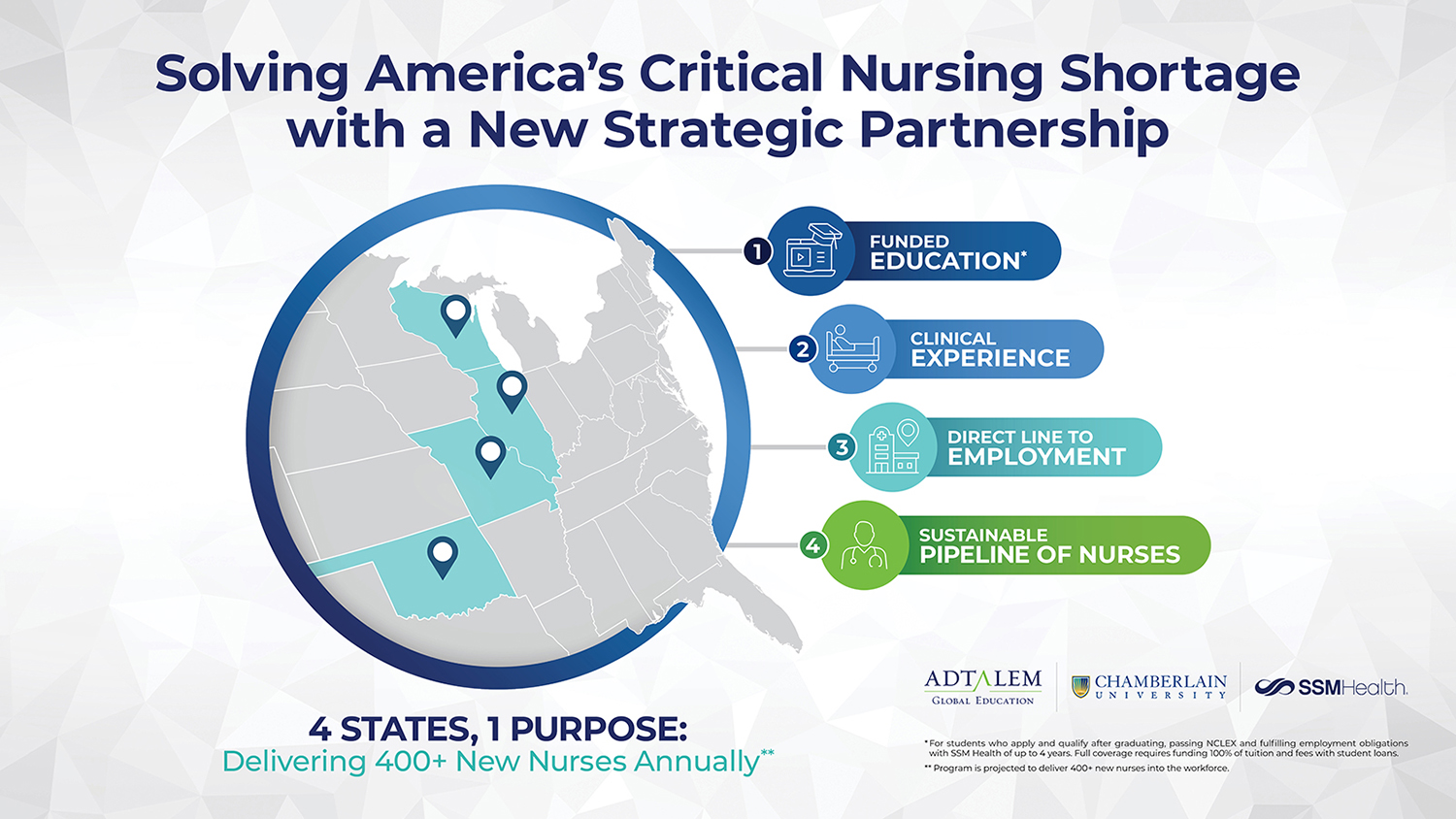
As they near the end of their bachelor of nursing studies, the students will have the option for additional coursework and clinical education and training through Chamberlain's "Practice Ready. Specialty Focused" program. This program lets students explore high-demand nursing specialties such as emergency, home health, nephrology and perioperative care. This training will be at no extra cost to the students.
Plans call for mission and ethics staffers from SSM Health to serve as visiting professors, teaching Aspiring Nurse participants from a Catholic bioethical perspective and preparing them to work in a faith-based environment that focuses on caring for the whole person —mind, body and spirit.
The program starts this fall, with prospective nurses in SSM Health's Oklahoma market studying online and will expand over the next year across SSM Health's markets. SSM Health and Chamberlain plan to involve more SSM Health staff as visiting professors and mentors in the program. Plans also call for Chamberlain to establish new campuses near or on SSM Health campuses.
Social determinants of learning
Cox notes that it is a priority for both SSM Health and Chamberlain to attract people to the program who are not traditional nursing students. This includes low-income individuals, working parents, people without transportation or others who may have had too many socioeconomic barriers to getting into and completing nursing school.
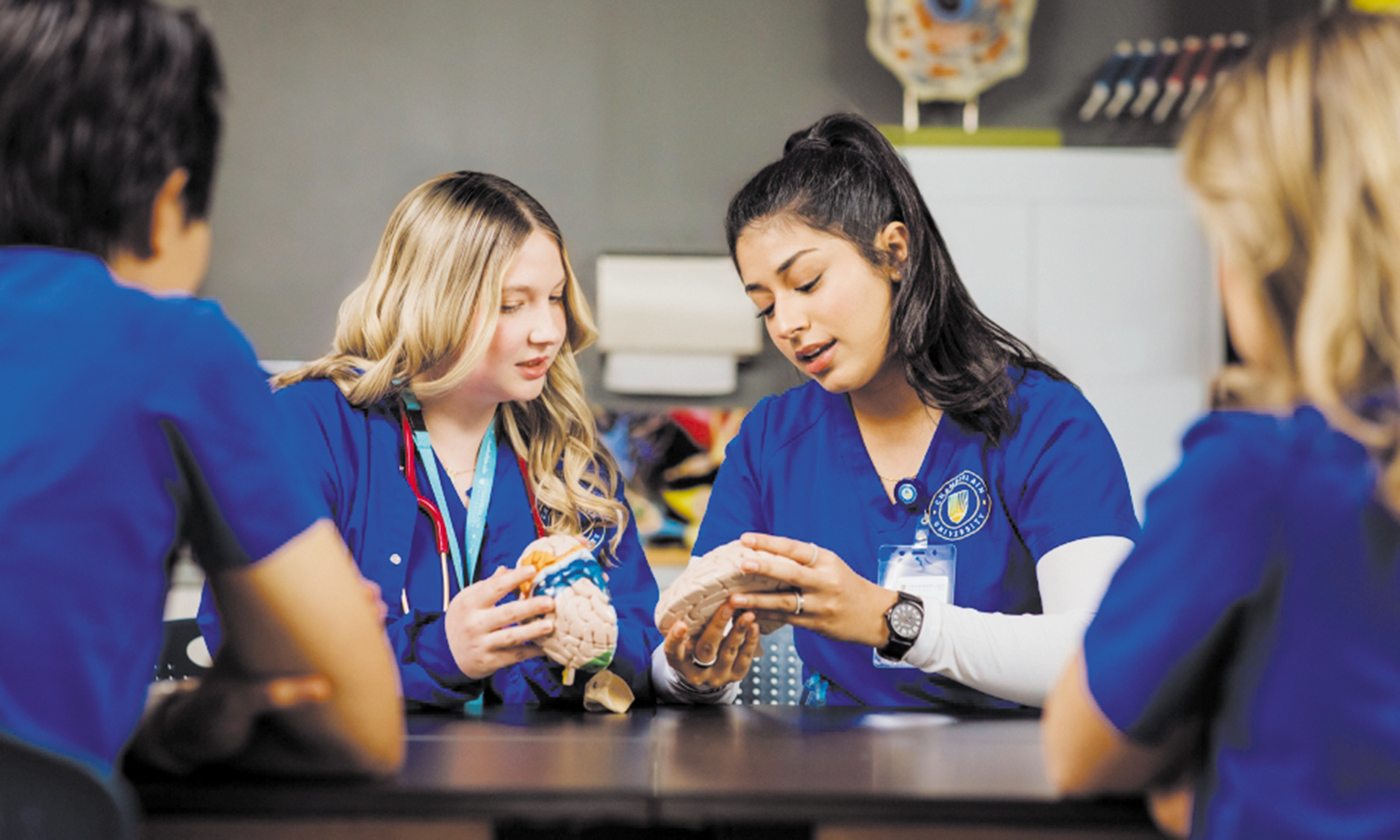
Chamberlain offers wraparound services and support for students, when it comes to such needs as physical health, psychosocial health, economic stability and self-motivation.
Wilson notes SSM Health leadership is optimistic about the Aspiring Nurse Program. She says having the nurses integrated into facilities in their hometowns will create what she calls a "stickiness" that should keep them interested in staying with SSM Health.
She adds that it will help address a key challenge: helping nurse graduates move from the protective education environment into practice.
"It is our responsibility — our imperative — to think of the future of health care and to sustain Catholic health care," Wilson says.
Cox adds, "This is about access to education. And it's about innovation, and taking a different look at a problem, and taking a very different approach."