
Ascension St. John in Tulsa, Oklahoma, recently kicked off its centennial year by awarding $16 million in health equity grants to nonprofits addressing inequities and disparities in eastern Oklahoma.
Ascension St. John's foundation has been providing funds to local nonprofits through the St. John Health Equity Initiative since 2022. Foundation President Lauren Landwerlin says in a press release, "As we celebrate our centennial, we reflect on our Christ-centered mission of service to our patients. ... These health equity grants allow us to extend our mission outside our hospital walls and into the community."
She says the goal of the grant program is to improve the health of local neighbors in need, "ensuring a brighter, healthier future for Tulsa."
Three programs
The Ascension St. John Foundation established the St. John Health Equity Initiative about four years ago. The initiative's work is focused on priorities identified in Ascension St. John's community health needs assessment. The initiative seeks to improve health outcomes and increase health equity.
The Health Equity Initiative has distributed more than $64 million since it began. There are three main areas of activity: medical access programs, the Bedrock Initiative and health equity grants.
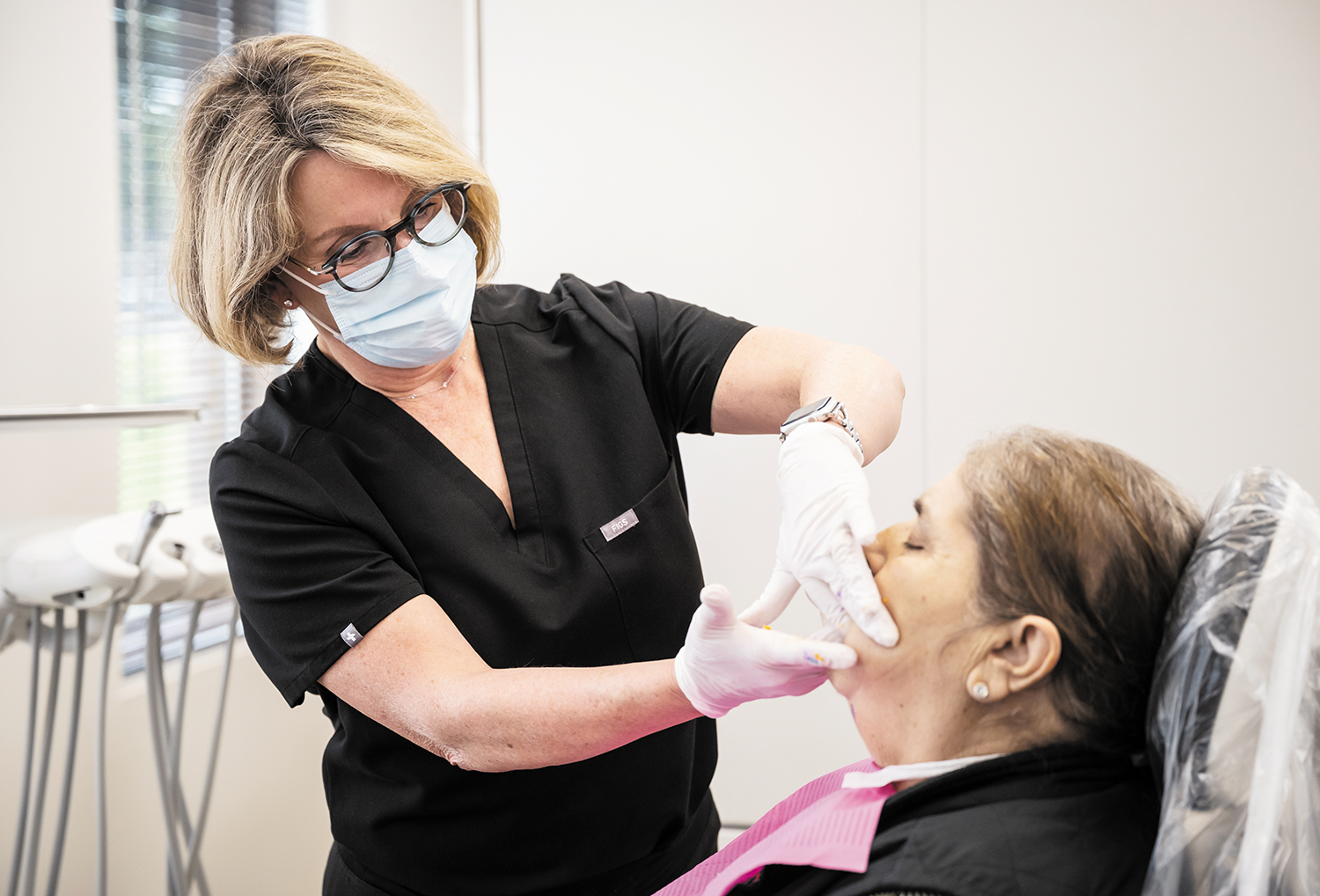
Medical access programs connect uninsured and other vulnerable people with medical, mental health and dental care. This includes linking them with diagnostic and specialty services, ensuring they have a medical home, and providing vouchers for medical and dental care. Medical access programs rely on a coalition of safety net providers. Ascension St. John has provided about $10 million in operational support, program and underwriting for the work.
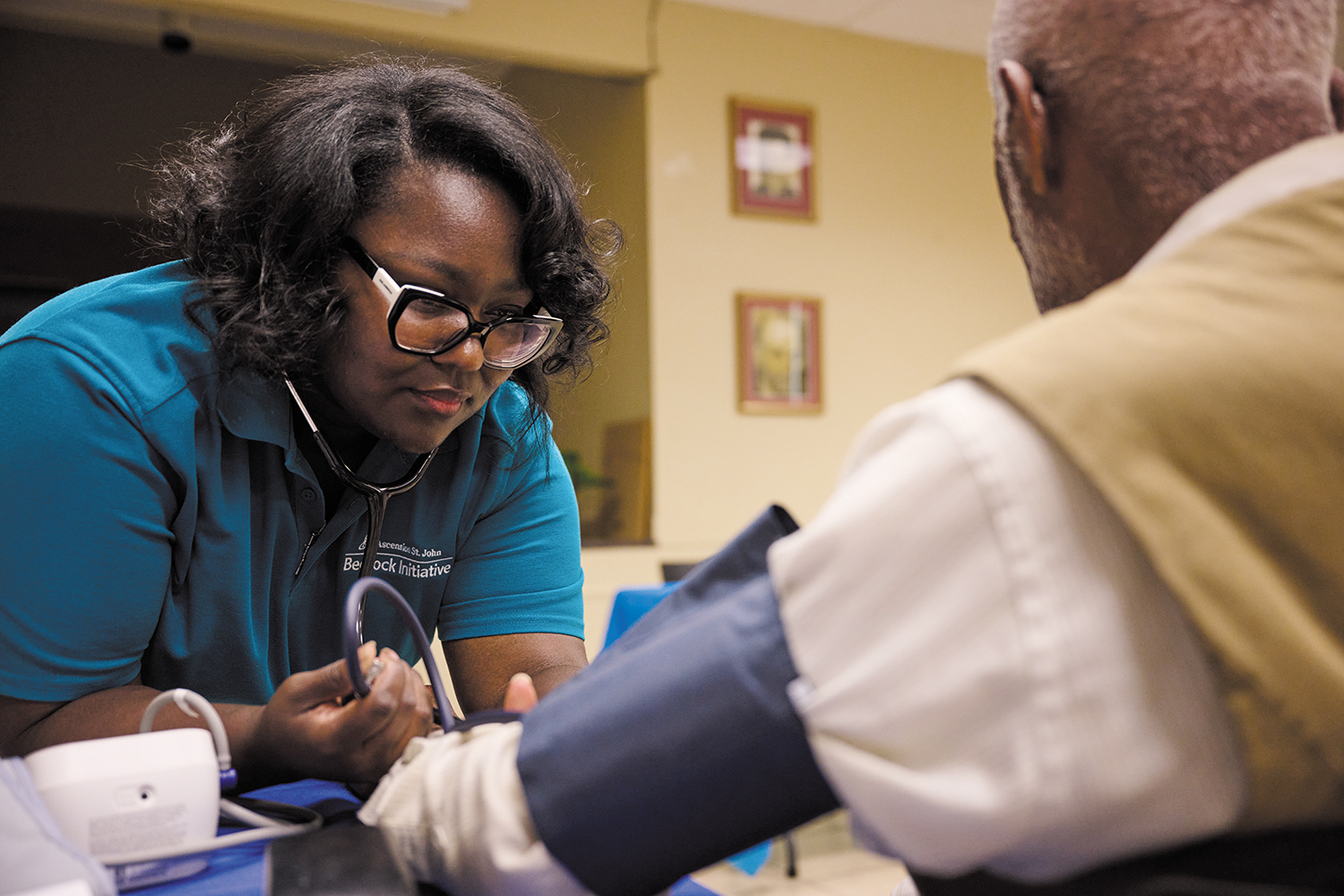
Launched last year, the Bedrock Initiative is a pilot program that provides preventative care — focused on cardiovascular health — to Tulsa-area community members through local churches. It dispatches community health workers to the churches for health screenings, mental health referrals and healthy living support.
The health equity grants program has given about $57.5 million to nonprofits since 2022 to improve access to care, address mental health needs, increase food security and meet housing needs.
Beyond hospital walls
Landwerlin says that over the past year, the Ascension St. John Foundation has strategically aligned its Health Equity Initiative funding with its community health needs assessment priorities "to bridge the gap between clinical excellence and community well-being."
She adds that while Ascension St. John associates "provide expert care at the bedside, our health equity team and community partners address the social drivers of health beyond our walls."
Ascension St. John directs an annual gift from a local donor toward operating and administering the community-based health equity program.
Nearly 30 nonprofit organizations received grants this year, ranging from $50,000 to more than $1 million apiece. Some of the grants cover multiple years. Among the recipients was Catholic Charities of Eastern Oklahoma, which is expanding the capacity of a dental program for low-income people. Another recipient was The Common Good and the Northwest Tulsa Hub, which will use the funding to produce healthy foods for people living in food deserts.
From strawberry farm to flagship medical center
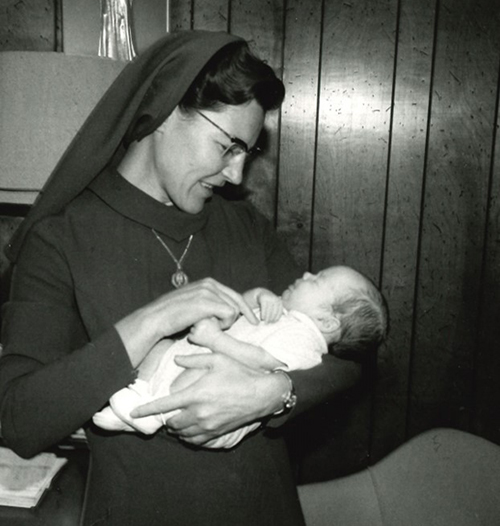
The Tulsa hospital traces its origins to 1917, when the Sisters of the Sorrowful Mother, who had a vision to establish a medical center, purchased a nearly 9-acre strawberry farm. But finances were strained, and the groundbreaking did not take place until 1920.
The hospital opened at the start of 1926, but given the pent-up demand for medical care, patients had flooded the facility prior to its official opening day.
A nursing school opened the same year; it graduated more than 1,400 nurses before its 1976 closure.
The hospital has boasted many firsts throughout its history, including Tulsa's first heart valve repair in 1955, its first successful pacemaker installation in 1963, its first coronary bypass procedure in 1969, Oklahoma's first linear accelerator for cancer treatment, Tulsa's first neonatal intensive care unit in 1971 and Oklahoma's first da Vinci robotic surgical system used for prostate surgery in 2005. In 2025, it became the city's first verified Level 1 trauma center.
The facility now is the flagship of a subsystem of Ascension that includes seven hospitals and a network of primary care providers.
Sweets and soirees
Ascension St. John is commemorating its anniversary with many events.
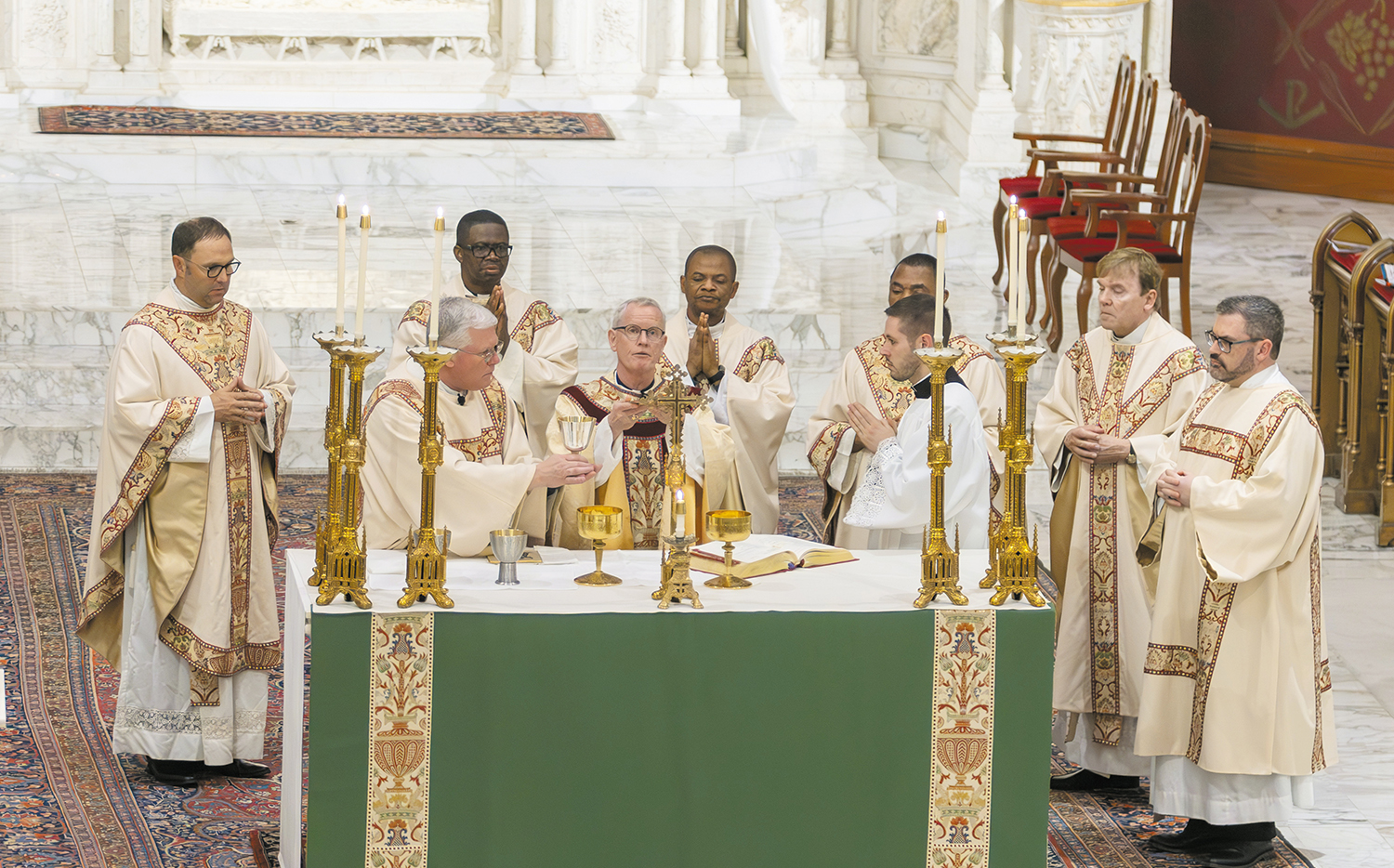
In addition to a luncheon for the grant distribution, the flagship hospital held a centennial Mass presided over by Bishop David Konderla of Tulsa. Leadership hosted a cake party in the cafeteria, cafeteria staff served sweets made with strawberries in a nod to the hospital's origins, and tiny patients in the neonatal intensive care unit were photographed wearing strawberry costumes. Still ahead is a soiree with dinner and entertainment for associates in April and a fundraising gala in June.
The hospital also plans to unveil a legacy wall in the lobby, it is posting historical facts and present-day interviews on its website, and it is awarding $100,000 in nursing scholarships.