
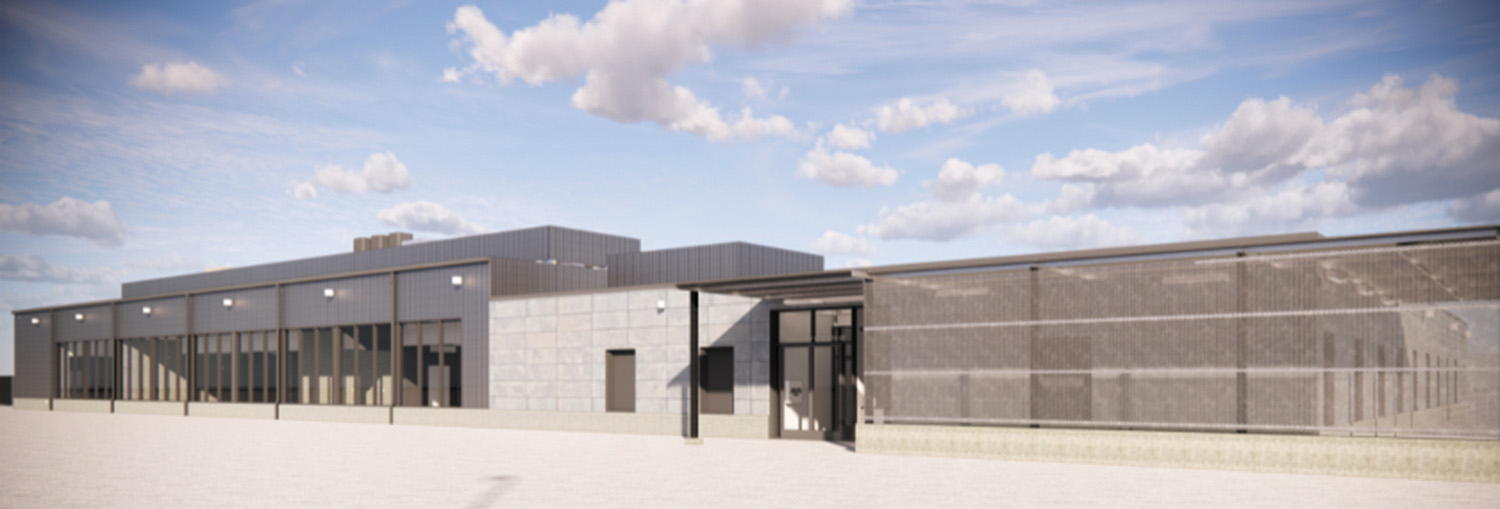
CHI Health of Omaha, Nebraska, is joining a group of public and private organizations on a $14 million project to transform an abandoned building into the new home of CHI Health's central kitchen.
Now housed in the basement of Omaha's CHI Health Creighton University Medical Center — Bergan Mercy, the central kitchen supplies patient meals to CHI Health hospitals in Omaha and Lincoln, Nebraska, as well as specialty facilities and a hospice outside of the CHI Health system.

The new site, which is about 10 miles from the Bergan Mercy campus, is set to open next year.
Pete Festersen, CHI Health vice president of public affairs says, "The central kitchen project is a great example of living our mission. It transforms a vacant property, enhances the neighborhood, produces thousands of daily nutritious meals for patients and provides meaningful job opportunities for residents of North Omaha."
He adds, "We're very proud of the commitment it represents to our community and our employees and we are thankful to our state, city and county partners who believed in our vision."
Nearly 30 years of growth
CHI Health opened the central kitchen at Bergan Mercy in 1997, intending to produce about 350 meals per day for patients at four hospitals within CHI Health, a subsystem of CommonSpirit Health. In the nearly 30 years since, the kitchen has expanded the number and type of locations it serves. It currently produces about 2,800 meals per day.

Terri Hill is the director of food and nutrition for the Midwest region of CommonSpirit Health, which includes 28 hospitals and a network of outpatient sites in Nebraska, Iowa, North Dakota and Minnesota. She says the region adopted the centralized food service model to produce food in a cost-effective way while preserving high quality and consistent standards. She says national restaurant chains use this commissary kitchen model so that their food tastes the same from one location to another.
At the CHI Health central kitchen, chefs fully cook then "blast chill" proteins, soups, sauces and other food. The kitchen then transports the cold-plated food to five CHI hospitals as well as to a spine center and Veterans Administration hospice that are also kitchen clients. Those locations heat the food on-site in convection ovens for hot "just in time" meals.
In addition to the patient trays it dispatches to the Omaha and Lincoln sites, the central kitchen supplies bulk foods to CHI Health hospitals in Kearney and Grand Island, both in Nebraska, as well as bakery and retail items to facilities throughout the region.
Public-private partnership
Festersen explains that CHI Health worked with a collaboration of organizations for about a dozen years to pull together this renovation project.
Key players who made the project possible include the Omaha Economic Development Corp.; the Empowerment Network; Nebraska Gov. Jim Pillen; Nebraska state Sen. Terrell McKinney; Omaha Mayor John Ewing Jr. and the Omaha City Council; and the commissioners of Douglas County, Nebraska. Beyond CHI Health's investment in the property redevelopment, the state contributed $8 million; Omaha, $500,000; and Douglas County, $500,000. Omaha provided an additional $385,000 in redevelopment incentives. The Omaha-based Weitz Family Foundation donated $500,000.
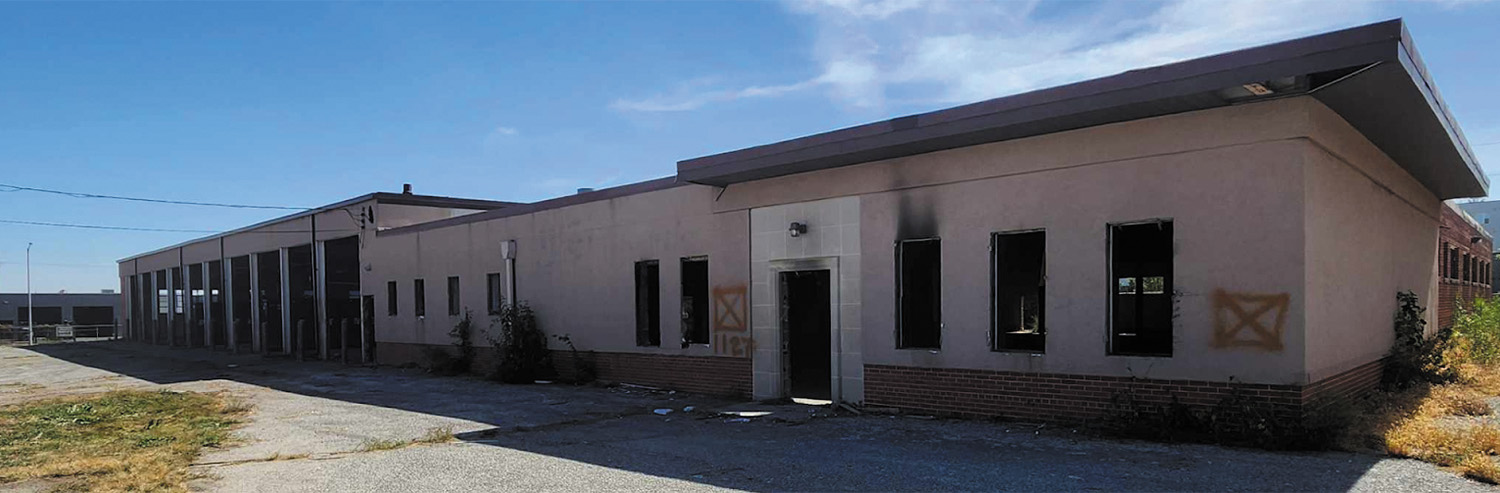
The Omaha Economic Development Corp. owns the property that will become the central kitchen's home, and CHI Health will lease it. Festersen says Michael Maroney, a prominent Black developer who runs that nonprofit, was interested in partnering to bring revitalization to North Omaha.
Also highly interested in revitalizing the community was the Empowerment Network, a Black-led nonprofit focused on improving the economic conditions and quality of life of North Omaha residents, particularly those who are people of color. It does this by closing gaps in employment, education, housing, population health and other areas. CHI Health long has been a corporate partner of the Empowerment Network, including by working with the organization on a summer youth jobs program.
Job engine
Festersen notes that CHI Health's partnership with the Omaha Economic Development Corp. came to fruition through a "joint involvement in the Empowerment Network, which encouraged us both to think big on our reinvestment in the community."
The project will renovate a long-vacant building in an impoverished census tract. "Unemployment and a lack of investment challenge the area, which has the city's highest percentage of African American citizens," Festersen says.
In the new location, CHI Health expects to grow the kitchen's staff from 55 to more than 100 in the near term. Festersen says CHI Health plans to focus its recruiting on North Omaha. Hill notes that there will be a variety of positions open, including at an on-site call center that will handle food orders. She says staff will have advancement opportunities.
Hill says the partners selected the site because of its accessibility, including to public transportation. Many current employees live in North Omaha and some transfer between multiple buses to reach work.
Bright future
The new space will have cutting-edge commercial cooking equipment that will allow for the most efficient production of high-quality foods, Hill says. The kitchen is moving toward a U.S. Department of Agriculture certification that would allow it to greatly expand its client list. For instance, it could potentially provide food for long-term care sites, schools and home care agencies.
Plans call for the site to have a test kitchen where aspiring food service staff can train for a culinary career.
"Our goal is to help others," Hill says. "There's a great need for healthy food across the U.S., and with the new central kitchen we'll be better equipped and able to grow and increase our capacity."