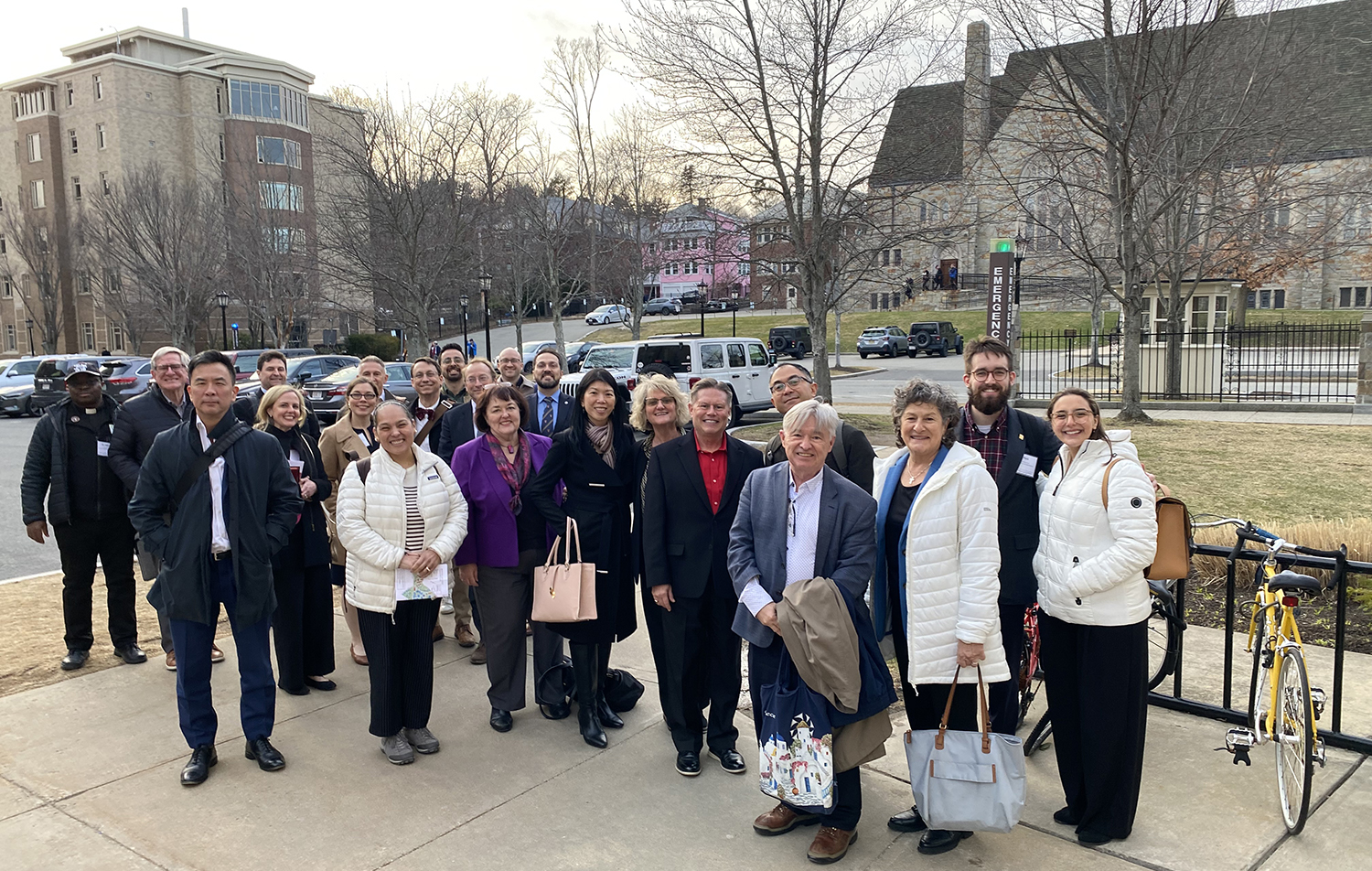
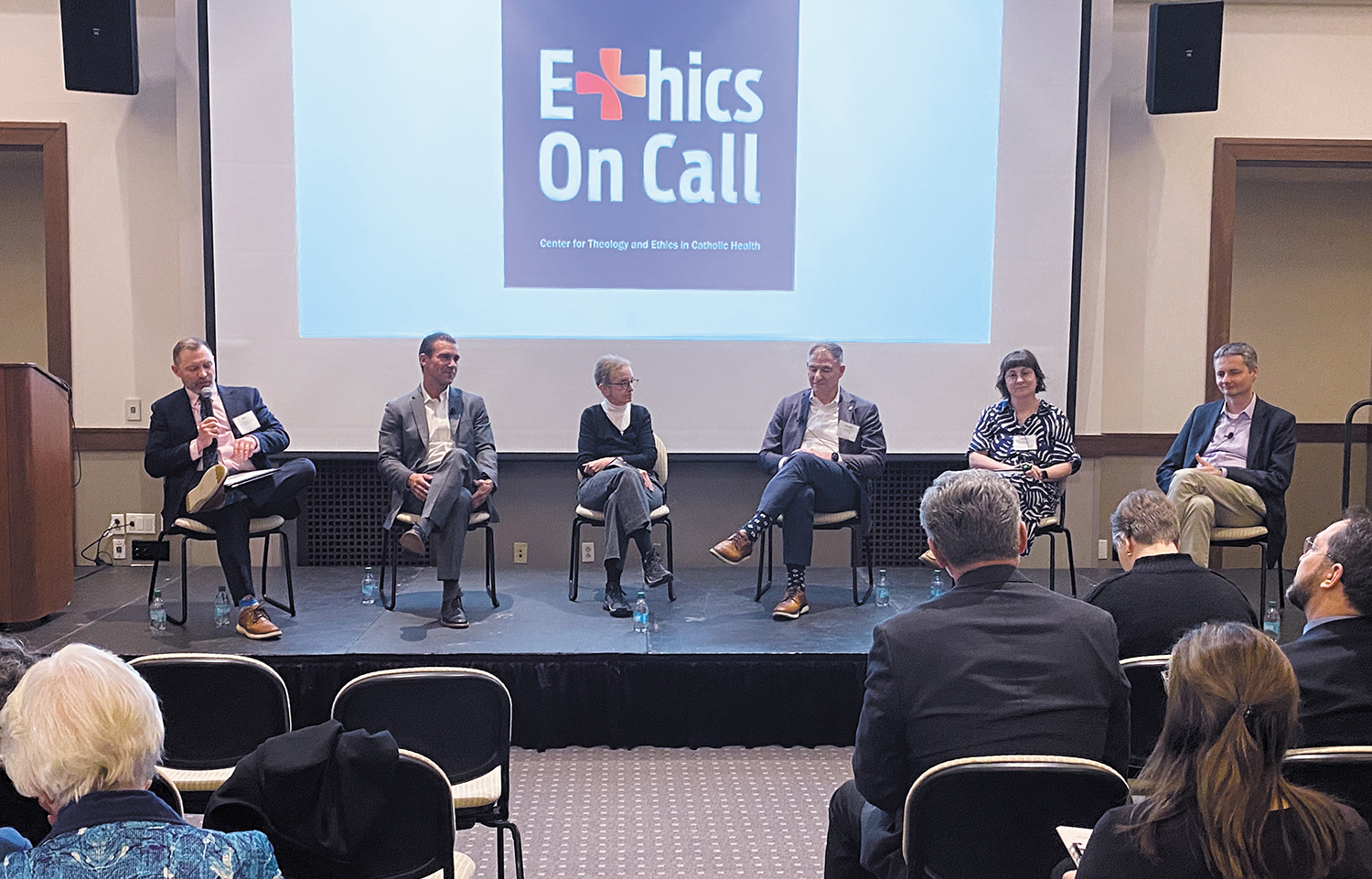
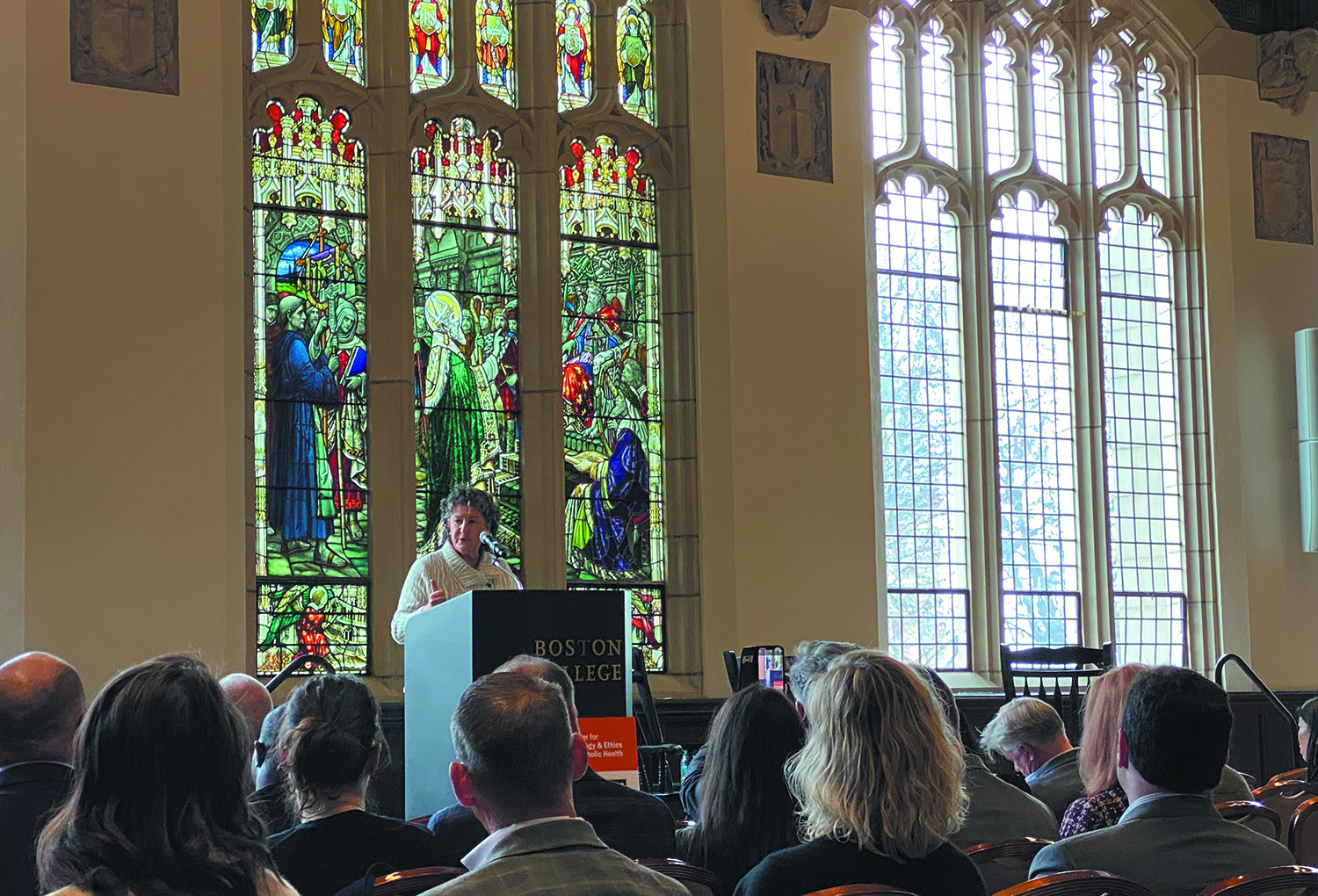
BOSTON — A central theme among presenters and participants who attended the conference "Artificial Intelligence, Authentic Mercy: Navigating AI Ethics in Catholic Health" was how the technology is redefining what it means to be human.
The conference, organized by the Center for Theology and Ethics in Catholic Health and Boston College, brought together ethicists, theologians, clinicians, health care executives, and Catholic leaders in mid-March. They discussed how the rapid development and deployment of AI tools affects the delivery of care and how Catholic social teaching can guide the use of the technology to defend human dignity and promote the common good.
A view from the Vatican
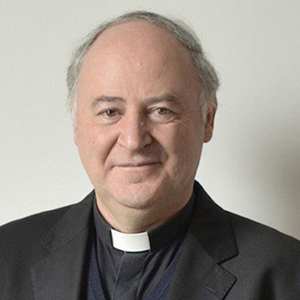
The conference's keynote speaker, Msgr. Renzo Pegoraro, president of the Pontifical Academy for Life, shared highlights of work that the Catholic Church has undertaken since 2020 to address the ethical and theological dimensions of AI. The 2020 Vatican-led initiative, Rome Call for AI Ethics, has set a framework for "algor-ethics," which Msgr. Pegoraro outlined as upholding the principles of transparency, inclusion, accountability, impartiality, reliability, and security and privacy in AI development.
"AI must have an ethical inspiration," Msgr. Pegoraro said. "The fundamental challenge is to reclaim the human factor that seems to have been lost in the blind belief of technological progress."
He explained that algor-ethics for Catholic health care requires a fidelity to the centrality of the human person through authentic relationships that prioritize compassion, justice, solidarity, subsidiarity, and sustainability. "Between a machine and a human being, only the latter is truly a moral agent," he said.
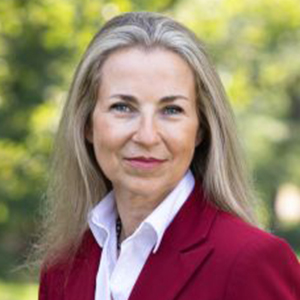
In reflecting on the monsignor's keynote, Vardit Ravitsky, president and CEO of The Hastings Center for Bioethics research institute, welcomed the perspective of religious leaders of all faiths in shaping codes of conduct for AI. She noted that as AI tools become more advanced and acquire human qualities, such as empathy, there must be a clear understanding that robots are not part of the human community, and that full transparency with patients is required when chatbots or other AI tools are used.
Phoebe L. Yang, a lecturer at Stanford Law School and a CommonSpirit Health board trustee, also reflected on Msgr. Pegoraro's comments. She cautioned that a lack of transparency in AI development often increases as models become more powerful. She added that the expanded use of the technology can unintentionally lead to cognitive atrophy and deskilling of workers if clinicians and other health care professionals become passive consumers of algorithmic output.
"The gravitational pull of efficiency points to more automation," Yang said. "Boards and executive leadership teams should regularly measure whether the AI is actually resulting in better care, more fulfilled teams, and healthier communities."
Promise and peril
A series of panel discussions on the second day of the conference explored various topics specific to how AI is being adopted by health care. In a discussion about mission and alignment, Paul Scherz, Our Lady of Guadalupe professor of theology at the University of Notre Dame, stated that "AI has the potential to help practitioners and health systems achieve the ends of Catholic health care in a more efficient and fulfilling manner through improving diagnostics, removing bureaucratic burdens and providing more time with patients. Yet AI can undermine the goals of Catholic health care. It can prevent deeper encounters and more holistic engagement with a patient's concerns by focusing on metrics."
Several panelists pointed to the various benefits that AI offers, such as reduced costs and more time for personal encounters through more efficient workflows that utilize ambient listening. The potential to increase access to care for underserved populations, improve health literacy, and support caregiver well-being were among the other positive aspects.
Beckett Gremmels, system vice president, theology and ethics at CommonSpirit Health, gave an example of how agentic AI — advanced automated systems that handle complex tasks — is being used to challenge health insurance denials. The system reviews the chart for medical necessity and drafts response letters to the insurance companies, which are then sent to the utilization review staff. Gremmels said that agentic AI can review 3,500 claims a week, compared to 30 to 50 claims that a human could review.
In a humorous aside, he commented: “If fighting insurance company denials is not an example of promoting human flourishing, I’m not sure what is.”
Other panelists raised concerns about the threat to human flourishing when “anthropomorphizing” AI and representing the technology as a human-like agent, leading to fewer authentic encounters between persons. “Healing is relational, and not merely technical,” said Daniel J. Daly, executive director of the Center for Theology and Ethics in Catholic Health. “It is about the therapeutic relationship between the healer and the patient. Human flourishing is more than physical health. It’s also friendships, the practice of the virtues, meaningful work, the enjoyment of leisure, and spirituality.”
During a discussion on regulating AI, Matthew Elmore, AI ethics and evaluation specialist at Duke University School of Medicine, cited the principle of subsidiarity as supporting a shared responsibility for the ethical use of AI. “Fundamentally, AI governance is not about compliance with external standards, but a moral practice,” Elmore said. “Health systems, patients, and clinicians are not mere subjects of governance; they are communities of judgment and deliberation. So subsidiarity can help us build consensus around shared responsibility.”
He added that the work of Rome Call and the Coalition for Health AI are promoting this approach to responsible use of AI.
A shared commitment
At the conclusion of the conference, Daly asked participants to support a statement advancing a shared set of ethical principles to guide the responsible use of AI in Catholic health care settings.
The principles in the statement include:
- AI use must promote patient well-being and whole-person flourishing.
- AI use must enhance, not erode, the quality of the patient-professional relationship.
- AI use should expand access to care, especially for those who lack it.
- AI must be actively monitored to reduce bias and prevent the widening of health care inequalities.
- Human decision-makers must remain responsible and accountable for all health care actions. Health care professionals should not delegate moral responsibility to algorithms.
- AI use should promote the well-being of health care professionals, administrators, and staff, respecting the dignity of their work.
- The environmental impact of AI tools should be acknowledged and mitigated.
During the final panel discussion, Sr. Mary Haddad, RSM, president and CEO of CHA, encouraged participants to view AI through the lens of Catholic social teaching.
"What is our role in helping form AI practices through mission integration?" Sr. Mary asked. "I believe that as we articulate our vision for human flourishing and advance our strategic goals around access to care, reimagined care, and being united for change, there is space for the use of AI."