
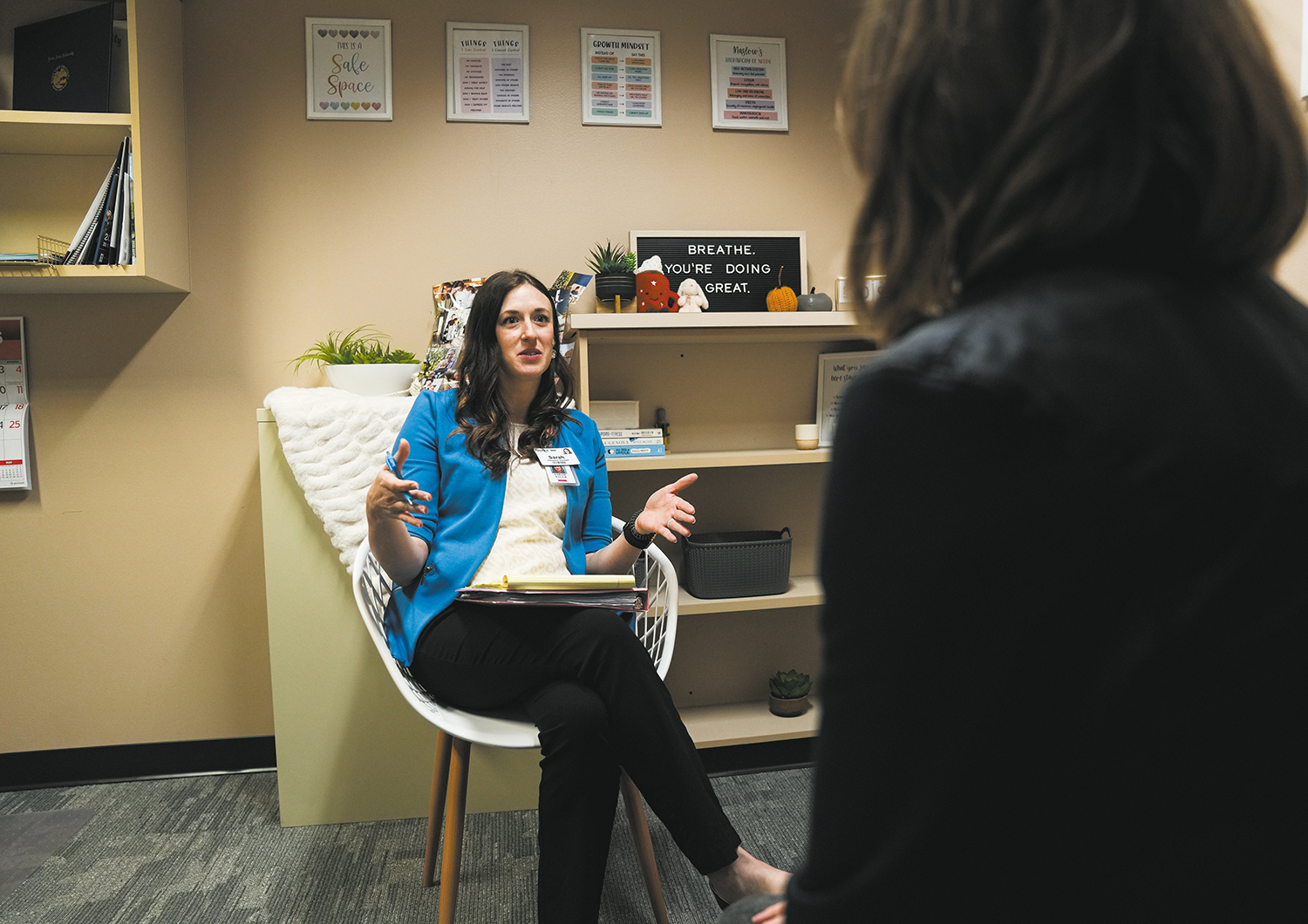
"I saw my therapist today!" elementary and middle schoolers will shout to one another and their teachers, said Heidi Thomas, the program director who oversees five Avera therapists who each work full time in three elementary, one middle and one high school in Sioux Falls.
The pilot program, called Rooted in Schools, started in December and is funded through the next three years, with the possibility to expand. The just over $1 million in funding is through the Seed for Success Foundation, a supporting organization of the Sioux Falls Area Community Foundation. One priority of Seed for Success is youth and adolescent mental and behavioral health.
Part of the culture
The Sioux Falls Area Community Foundation hired an expert to research models around the country and identified a program in the Twin Cities metro area in Minnesota that embeds therapists in schools, getting good results. The Sioux Falls partners modeled the program after that one.
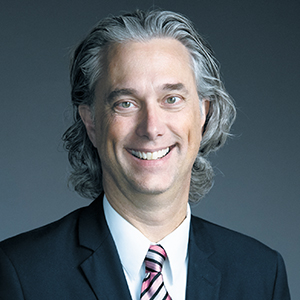
"In broad strokes, the idea was to root a therapist in a school, so essentially they would become part of that school's culture, if you will," said Thomas Otten, Avera vice president of behavioral health. "When they have staff meetings, they go to those staff meetings."
He added that the therapists do not act as guidance counselors, who might provide short-term social support, but rather they focus on mental health issues and on students who need therapy.
Early data is already showing results: School attendance has risen and disruptive behavior has decreased among the students who have undergone therapy. Nearly half of those students had never seen a therapist before. At the three elementary schools, the number of incidents of students threatening their own lives or those of others went from 15 to eight. "That's seven lives that would be different in the second semester," Otten said.
Kim Sharping, the school district's coordinator of student support services, says those from Avera she has worked with on this pilot and other programs are "true professionals." She says Thomas has worked hard to understand the needs and culture of each school, and ensures there are weekly meetings between school administration, counselors and Avera therapists.
"They're constantly in communication," Sharping said. "So we, from the district standpoint, have been nothing but pleased and impressed with what we've experienced with Avera."
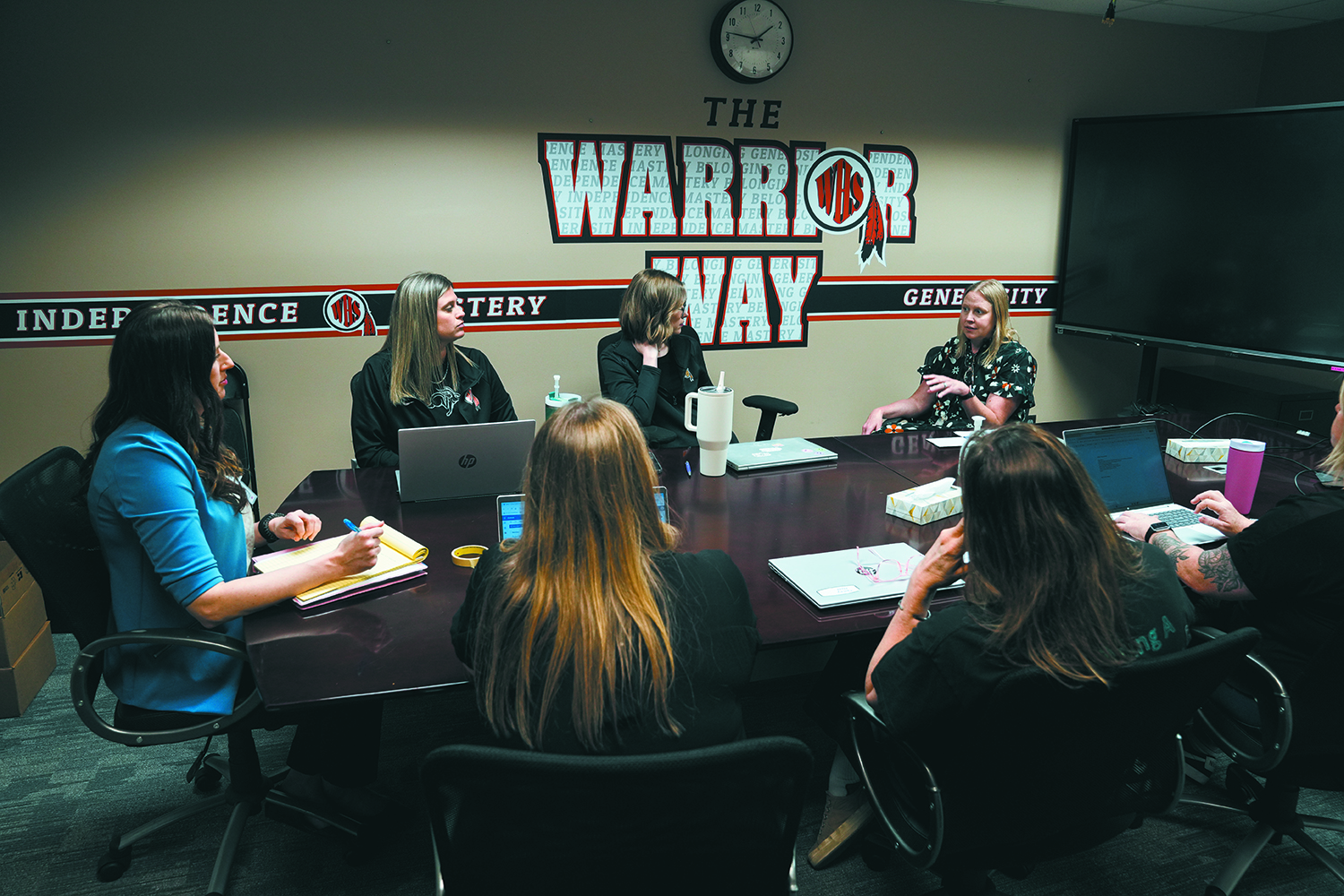
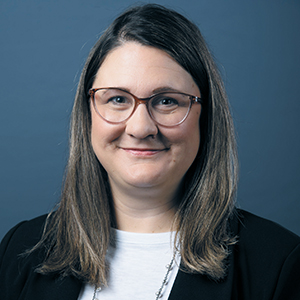
"Parents just want to know that their kid is being loved and trusted, and she can meet with them any time throughout the day to do an intake or just help problem solve some issues that might arise at home," she said. "It's just been a really strong partnership, and we've seen tremendous growth through this."
Adding support
Therapists see about 25 students a week at each of the five schools, Washington High School, Whittier Middle School and Cleveland, Terry Redlin and Rosa Parks elementary schools. The schools serve higher-need and diverse student populations.
The students referred by staff to the Avera therapists are struggling in the classroom, Thomas said. Maybe they have lost a parent or other family member, they have anxiety or depression, or they have neurodivergent needs and would benefit from mental health support. If needed, the Avera therapists have access to a psychiatrist, who can fast-track a medication consultation within two weeks. Additionally, students receive a "warm handoff" to inpatient services when they require a higher level of care, Thomas said.
"The beauty of being part of a larger medical system is the access to so many more resources for these children," she said.
The program reduces transportation and schedule barriers for families who otherwise might have to work in an appointment after school. Parents can ask for the services for their children, and there are waiting lists at some schools.
The students who receive therapy have an average of four adverse childhood experiences, such as losing a parent to divorce or death or being subjected to unwanted sexual contact.
Having therapists in schools reduces stigma among all students about mental health, Thomas said. "It's just a normal part of the school culture, and it's exciting to think about, 20 years from now, the positive impact this may have," she said.
A partnership for healthy communities
Mary Kolsrud, chief philanthropy officer of the Sioux Falls Area Community Foundation, said her organization and the Seed for Success Foundation are happy to work with Avera.
Kolsrud said Avera "cares about the community and wants to be at the table when we have discussions around collaboration and being a great partner."
She added: "Part of the beauty of philanthropy is that giving begets giving, and hopefully others want to step up and do something similar."
This is not Avera's only program in Sioux Falls schools. Avera athletic trainers work with students at one of the high schools, and Avera clinicians provide training and continuing education on mental health topics for school personnel.
In addition, the Avera Family Wellness Program sends a team of therapists several times a week to Sioux Falls elementary and one middle school that serve largely low-income populations, and the program offers family therapy clinics after school hours. That model has been successful for many years. Rooted in Schools takes the program a step further to reduce those barriers, putting therapists in the schools daily.
The donation from the Seed for Success Foundation mostly covers the cost of therapist salaries, and the work can be billed through insurance and Medicaid. The program is the only one in Sioux Falls that will provide therapy for clients who do not have Social Security numbers, Thomas said.
Otten said this program would not be possible without the generous donor funding.
"We're a positive impact organization," Otten said, "and we look at this as one of those things that definitely makes a positive impact on our community."