
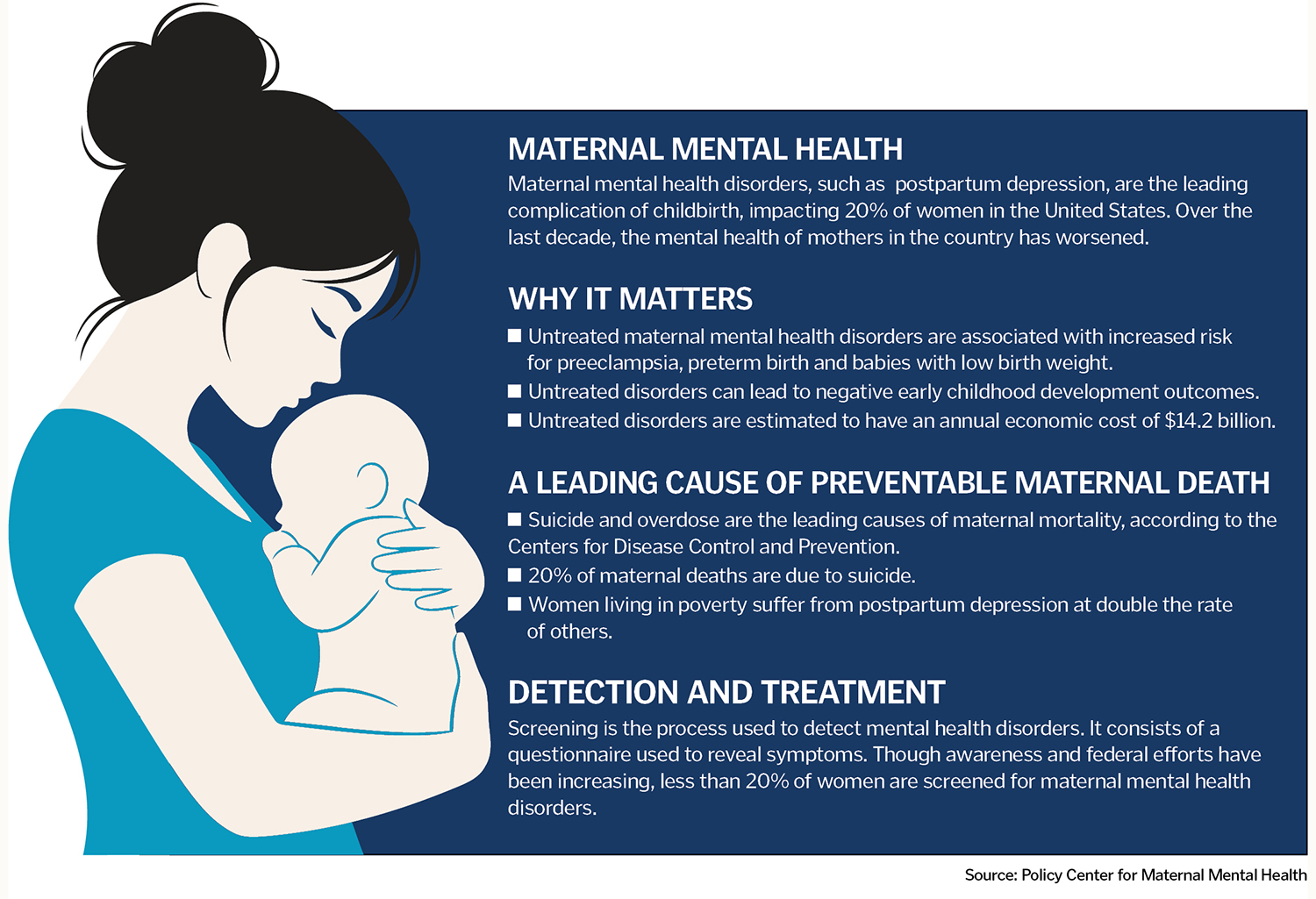
"It's a very busy life, and the onus has been on the physicians to really fill this gap in maternal mental health," said Bulock, who works in Sacramento, California, with Dignity Health Mercy Medical Group, a member of CommonSpirit Health. "At baseline, one in five women have maternal mental health disorders, and 60 to 70% of those cases go undiagnosed. Suicide and overdose are leading causes of death in the first postpartum year, and 100% of those are preventable."
Through a two-year pilot project, supported by the nonprofit Policy Center for Maternal Mental Health, CommonSpirit Health is taking maternal mental health care a step further. The program pairs community health workers with pregnant and postpartum mothers to help connect them with resources and additional care to address mental well-being.
Piloting a New Approach
CommonSpirit Health's Women and Infants Service Line has championed anxiety and depression screening systemwide, with this pilot program serving as the next evolution in its commitment to improving mental health outcomes for patients. The program integrates reimbursable community health worker services, which may provide financial sustainability to future programs.
In 2022, California made community health worker services a Medi-Cal benefit, and CommonSpirit Health is using the workers to help pregnant and postpartum patients navigate the complexity of mental health referrals.
The pilot launched in October. Results collected through June are promising:
- Of the nearly 1,500 maternal mental health screenings conducted, 28% identified patients as at risk, and 3% as at risk for self-harm, which enabled early crisis intervention.
- The program increased screening frequency from once during pregnancy and once postpartum to at least three screenings during pregnancy and up to two times postpartum.
- Of those screened, clinicians referred 374 mothers to community health workers for follow-up support, such as education, community resources and behavioral health referrals.
- All referred patients received interventions. Treatment plan rates were 32%, more than double the national average for comparable programs.
CommonSpirit Health, one of the largest Catholic healthcare systems in the country, has 71 birth centers in 16 states, with 24 of those centers in California. About 88,000 babies are born annually in CommonSpirit Health facilities, one in every 41 babies born in the United States.
Bulock serves on the system's Women and Infants Service Line Executive Council, which has a representative from each CommonSpirit Health region.
Six birth centers are in the Sacramento area, including a rural location in Woodland and an urban location in Midtown Sacramento. The pilot program is underway in this market, with a community health worker based at each location.
Alison Kemps, who manages the market's continuing care department, said the system picked the Sacramento area because of the population diversity. "We can really do some cross studies regarding the two different populations," she explained.
Expanded Screenings
Before the pilot, patients were screened for depression and anxiety. Now the women also are screened for bipolar disorder, intrusive thoughts, suicide risk and safety planning. Community health workers also address the social determinants of health, which can complicate pregnancy or access to prenatal and postnatal care.
The expanded screenings help identify patients with more serious issues like postpartum psychosis and bipolar disorders, so they can be prescribed medication and be connected to mental health resources. Often, the women stop taking medication when they are pregnant or they have not seen a doctor before pregnancy.
"That's been a really nice, good catch that we've been able to identify some of those patients and prescribe appropriately," Kemps said.
The clinicians and community health workers use the Edinburgh Postnatal Depression Scale, a set of 10 questions that can show if someone is at risk for depression and anxiety. The screenings are done in the hospital, during checkups and by text.
The pilot is showing that more women than caregivers realized need help.
"So these are moms that sometimes are just sitting at home and we didn't even know," Bulock said, adding that now a team of caregivers is poised to respond quickly.
Help with Connections
Lidia Meda is a community health worker in Woodland, a large agricultural community. Some residents are low income and do not speak English, and health literacy is a concern.
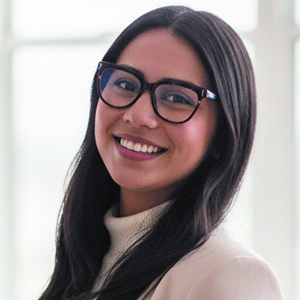
"They are dealing with a lot of social determinants of health, and not only mom, but within the family," she said. "Sometimes they also need education on medication or behavioral health connections. Some of them don't know how to make appointments or to contact transportation to even get to the OB appointments."
She helped connect one mother to a church community because the mother said she wanted to volunteer to help others and she did not have family around for help herself.
"I always ask if there are any spiritual beliefs they have, and we support that," she said.
Meda, who is fluent in Spanish, speaks to the women in the clinic or by phone and can take as much time as needed to help them. She has helped women with histories of behavioral health and substance abuse issues to manage their medication, and better care for their mental health. When needed, Meda will refer her patients to high-risk maternity programs and connect them with a social worker.
"It's rewarding to see patients' lives completely changed," she said. "My favorite part of my job is when time passes and I get to see happy and healthy moms and their babies."
Providing Human Kindness
Kemps said the service line hopes to expand the pilot program systemwide and is standardizing the program so it can be replicated and services can be reimbursed by health plans.
The core brand and philosophy tagline for CommonSpirit Health is "Hello Humankindness."
"We're providing that patient-centered, holistic care and meeting all of their concerns," Kemps said. "If anything, human kindness really speaks to this project. We're very proud of the work that we do."
Bulock added that the program helps empower her and other OB-GYNs to provide holistic patient care. Instead of sending a struggling mother out the door with a list of resources, Bulock can refer her to a community health worker like Meda, who can meet with her to make sure she has everything she needs. "That's huge for us," Bulock said.