
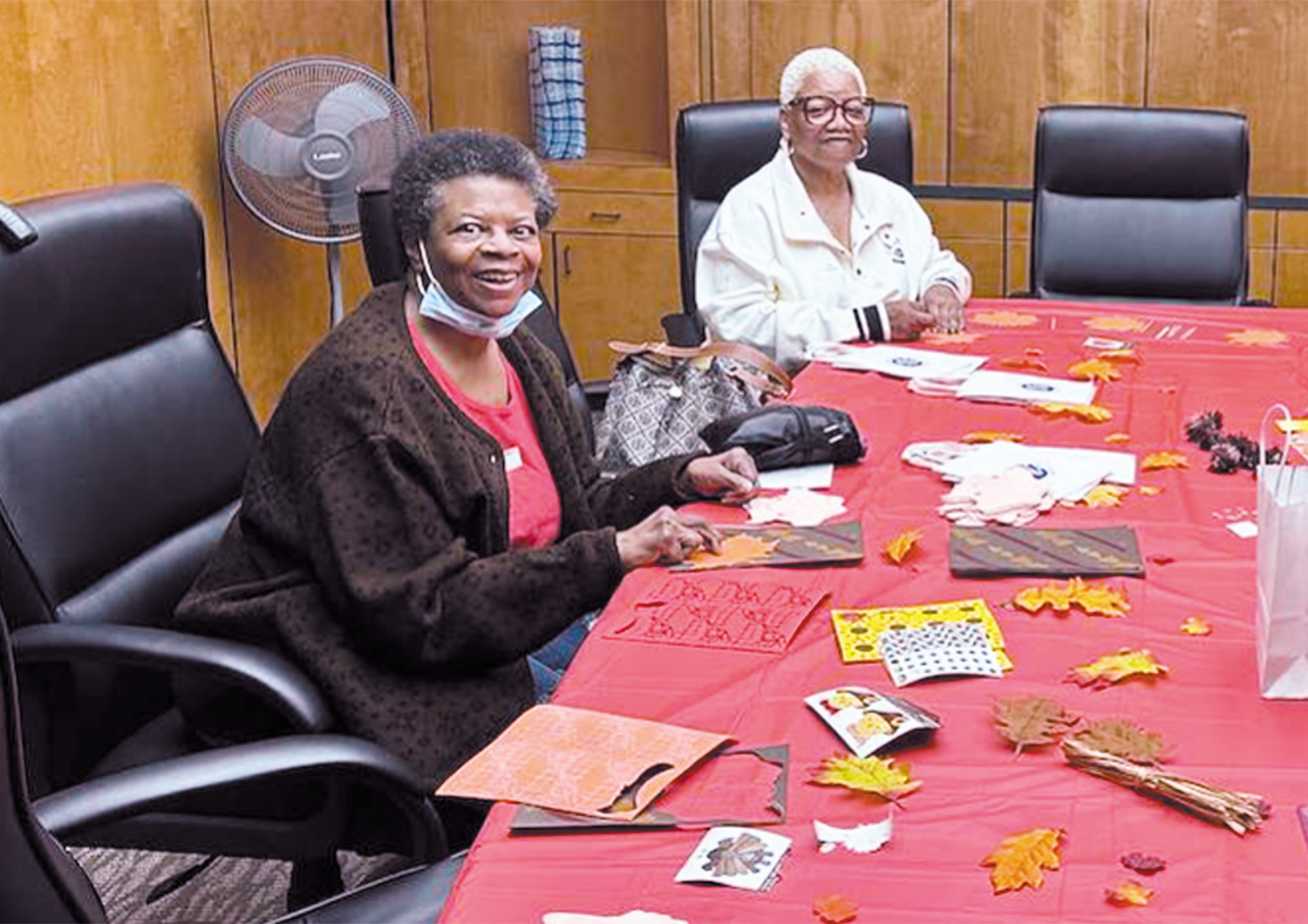
Her living situation and health issues left her feeling isolated. She needed connection. She found it in the SSM Health Visit-A-Bit Program, which matched her with a new buddy, Pamela Bradley.
"Mentally, it's nice to have someone check in on you, even if we may not get together," French said. "She'll text me, check on me, call me. When we get on the phone, we'll talk an hour. I have my family and friends, and they do check on me, and it just makes me feel happy that people are really thinking about me."
Bradley, 72, also lives in suburban St. Louis, and works full time from home. She, too, had cared for her mother for years before her death. She volunteered for the Visit-A-Bit Program partly to help others and partly to ease her grief over her mother.
Bradley gets as much out of the experience as French, she said.
"I appreciate having new friends," she said. "When you're at our age, you're not always in social settings where you can meet new people. And I think it stimulates your mind."
Multiple ways to connect
Michele Prevedel oversees the Visit-A-Bit Program. She has been with the program since 2019, when it was part of the Visiting Nurses Association of Greater St. Louis. In 2024, SSM Health acquired the association, and leaders decided to keep the program.
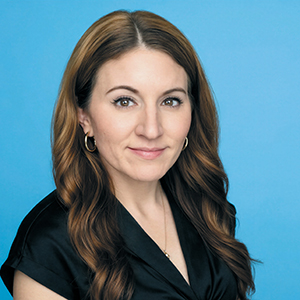
"I think a big part of our healthcare system is focused on the physical side, whereas this addresses the emotional side as well," Prevedel said.
The Visit-A-Bit Program is designed to address loneliness among older adults in the greater St. Louis area. The program matches volunteers with participants and encourages them to talk, text, visit or otherwise communicate with one another.
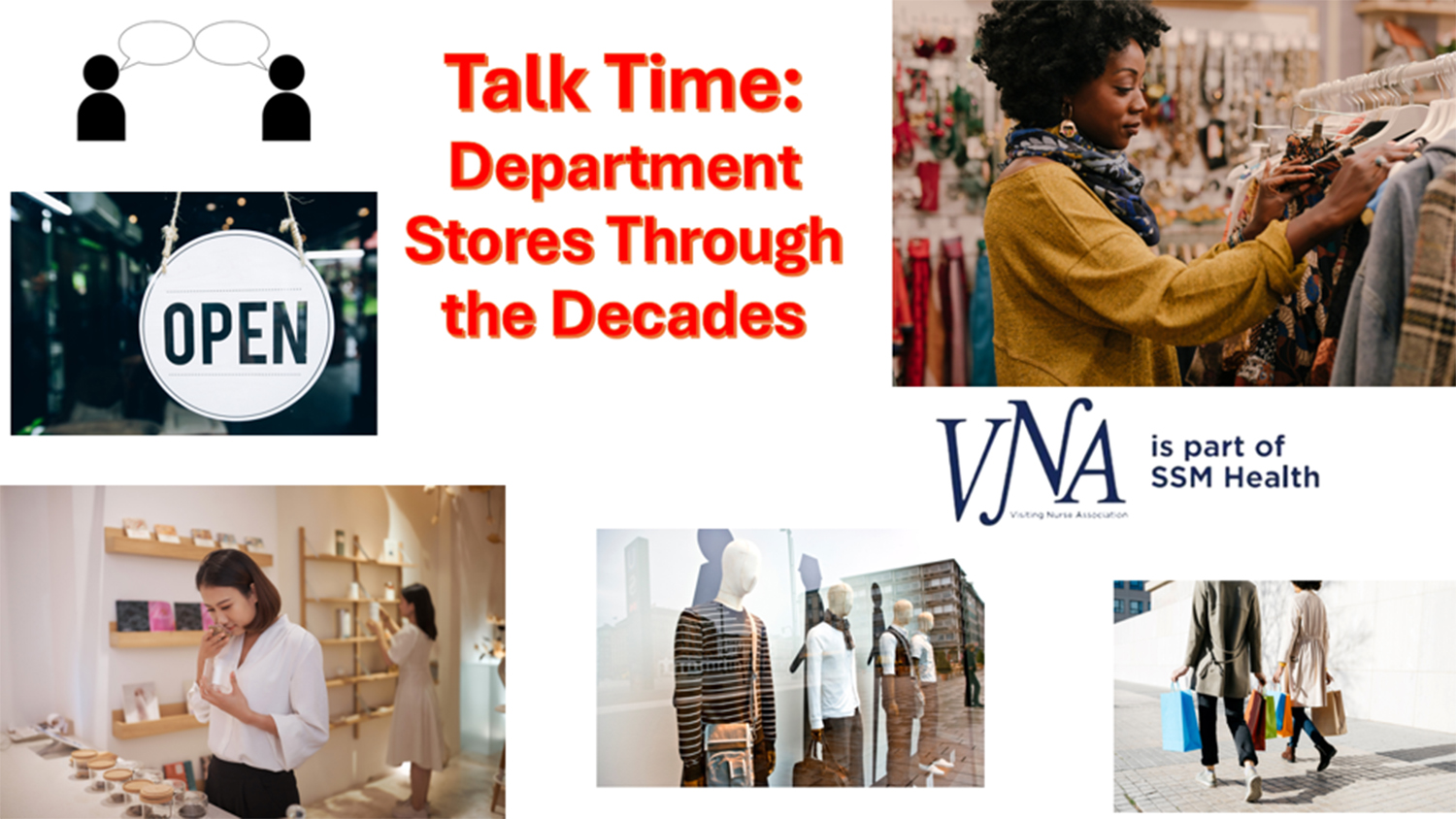
Participants also can connect virtually and in group gatherings. On Tuesday afternoons, they can call a conference line to play tele-bingo or to join "talk time" programming on Thursday afternoons to discuss that week's topic, such as how currency or department stores have changed through the decades. Prevedel facilitates both virtual group activities.
French said everyone is "pretty upbeat" at the virtual gatherings. "It's like when you sign on, everybody's like, 'Hi, Rosalind!' You know, 'How are you doing?'" she said. "It's just like a community, and you miss people who haven't been on there for awhile."
Prevedel said people can become lonely for many reasons: they retire, they no longer have a social network at work, they have mobility issues and it's not as easy to get around, or they find it more comfortable and affordable to stay home alone.
She pointed out that changes in society also have left many older adults isolated. "We don't necessarily get together with the neighbors like we did decades ago," she said.
A growing issue
In 2025, a survey by the American Psychological Association found that 54% of adults felt isolated, 50% felt left out, and 50% felt they were lacking companionship often or some of the time. Of more than 3,000 adults surveyed, 69% said they needed more emotional support in the past year than they received, an increase from 65% the year before.
An overwhelming 92% recognized that relationships are a key source of meaning in their lives.
There are obvious health risks to loneliness. The World Health Organization has linked loneliness to 870,000 deaths a year. The pandemic and more reliance on digital technology have brought more attention to the issue. In 2023, then-U.S. Surgeon General Dr. Vivek Murthy released a report, Our Epidemic of Loneliness and Isolation, that said the health impact of someone feeling socially disconnected is similar to someone who smokes up to 15 cigarettes a day.
Loneliness is an emotion, but if left unaddressed, it can lead to physical domino effects, Prevedel said. It can change the brain and put a person in a fight-or-flight mindset. Lonely people can lose social cues and lack the confidence that a connection with someone else will go well, she said.
Being lonely can lead to excess drinking, substance use or overeating, she said. Lonely people might be more vulnerable to scammers who draw them into a phone conversation, she pointed out.
"The good thing about the brain is you can just start connecting again," she said. "It's almost like working out again. You kind of have to force yourself a little bit or keep trying to do it. That's going to at least be better than not doing anything."
People who are chronically lonely might have built-up energy, so when they are presented with a social outlet, they might monopolize a conversation without meaning to, Prevedel said. Getting together consistently with a volunteer one or two hours a week gives some reassurance, she said.
"It's consistent. So, for somebody who is extremely extroverted, it may just kind of take an edge off," she said.
Broadening the program
Visit-A-Bit also offers a phone line with guided meditations as well as orchestra music. "It just kind of gets you back into the present moment," she said. "You're not worrying about the past, and you're not worrying about the future."
It also hosts group gatherings where volunteers might do a craft with their buddy. These options help participants find peace that may be difficult to find during long stretches of isolation, Prevedel said.
Prevedel would like Visit-A-Bit to include more options for group gatherings at a public spot like a library, but that would require figuring out transportation for those who need it. She would also like to build an internal referral system, since participants usually hear about the program through a friend or a social worker. She hopes the program can expand throughout SSM Health, which has hospital and care facilities in Missouri, Wisconsin, Oklahoma, and Illinois, and include more virtual components like an online book club or a phone tree.
Prevedel has about an 85% success rate matching volunteers and participants. When it comes to making meaningful pairings, location, gender, age, and interests are important. She once paired a retired real estate participant with a volunteer who was also a real estate agent. Bradley and French are a good match because of their shared interests and backgrounds as caregivers.
Prevedel trains volunteers on practicing boundaries, redirecting conversations, active listening, and reminiscing techniques.
"I'm trying to teach the volunteer the best way possible to help maximize their one or two hours a week, so you can provide high-quality time with your participant," she said. "The intimacy is going to increase the probability of the brain waves connecting. Once we've got that connection going, we're lowering the loneliness because the person feels, 'Hey, this person understands me.'"
Bradley and French appreciate their connection and the chance to, well, Visit-A-Bit.
French said more social workers and clinicians should be aware of the benefits of such a program. "You really don't realize how many people are alone or lonely, because people don't speak up about that," she said. "They don't talk about it."
Said Bradley: "I think there are a lot of lonely people, and all sometimes people need is just somebody to say 'Hi', or 'Are you OK,' or 'Do you need help?'
"I think interaction with people is important. I think it's vital. And it helps you mentally, physically, and spiritually. And sometimes, you just need somebody to just listen."