A mission leader at a Catholic college in Des Moines, Iowa, has been chosen to guide the process to advance the sainthood cause of Servant of God Annella Zervas, OSB.
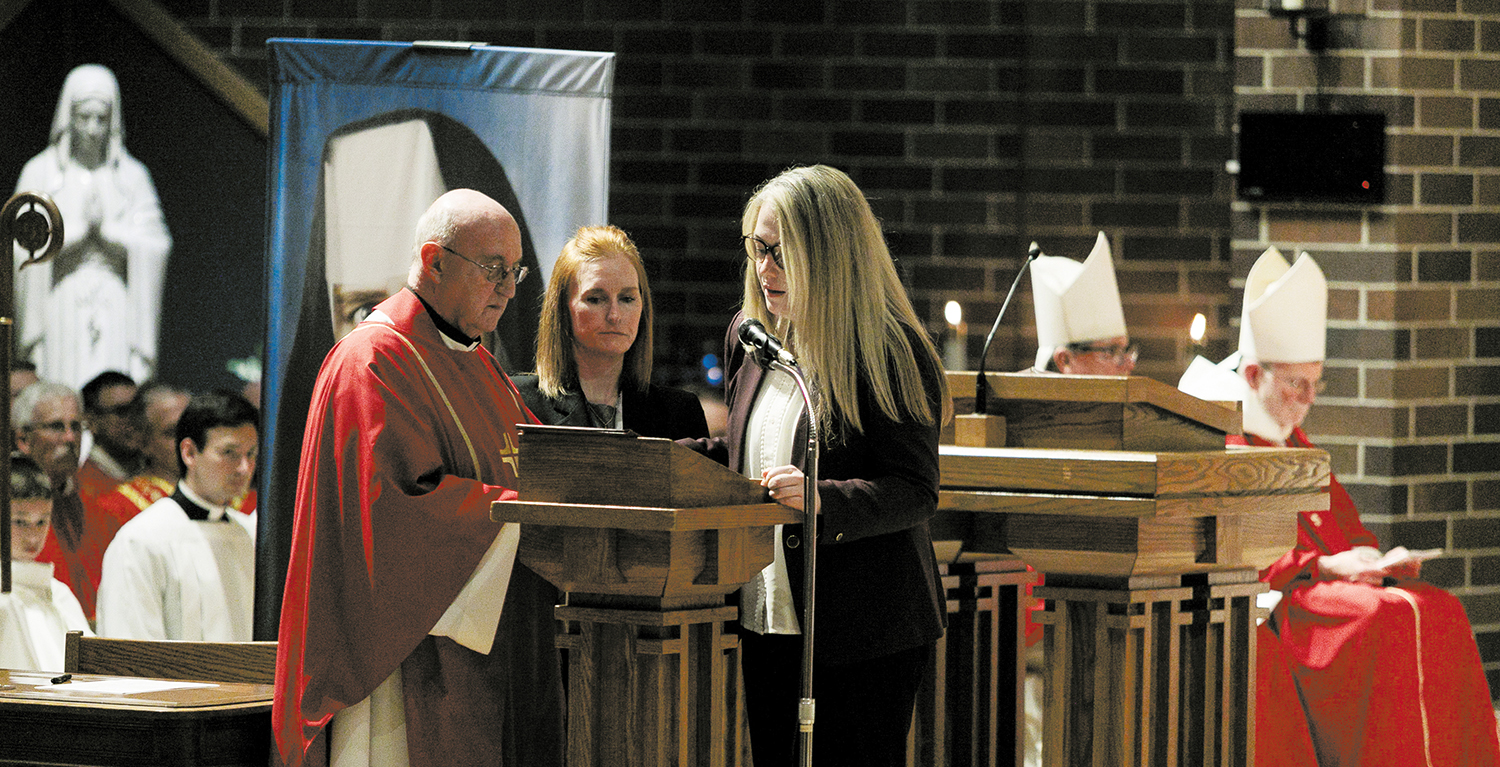
As the diocesan postulator for the cause of canonization, Amanda Zurface took an oath at a Mass on Oct. 9 to serve faithfully and with integrity. Zurface is a canon lawyer who is vice president for mission and campus culture for Mercy College of Health Sciences.
Zurface's role will involve guiding the diocesan inquiry into Sr. Zervas' life, virtues and reputation for holiness, in line with canon law, according to the college. A press release from the college says Zurface has been devoted since 2020 — on a more informal basis up until now — to advancing Sr. Zervas' cause. Zurface will work closely with others who will be collecting testimonies, examining writings and gathering documentary evidence to establish the sainthood cause. She will help compile and authenticate the information for presentation to the Holy See.
Zurface will continue in her full-time position at Mercy College while undertaking her postulator duties on a volunteer basis. Mercy College is owned by Trinity Health's MercyOne through the MercyOne Des Moines Medical Center.
An opened cause
According to the Sister Annella Guild, which was formed to support her canonization, the process has multiple steps. First, no sooner than five years after the person has died, individuals who are faithful to the Catholic Church must request of a bishop to open a cause. If the bishop accepts the request, the candidate for sainthood is named "servant of God." Then, after a careful investigation of the person's life, virtues, and miracles, they may advance through the titles venerable, blessed, and finally, saint, says the guild.
Bishop Andrew Cozzens of the Diocese of Crookston, Minnesota, has accepted a request to open the cause, and so Sr. Zervas has received the title Servant of God.
According to the United States Conference of Catholic Bishops, the investigation of the cause includes church leaders at the diocesan level gathering information on whether the canonization candidate lived a life of heroic virtue. The investigators call witnesses and examine documents written by and about the candidate. The Vatican's Congregation for the Causes of Saints evaluates that information. If that Vatican office makes a favorable decision, they declare the candidate venerable if they have lived a virtuous life or blessed if they have been martyred. Then, if there is a miracle that the Vatican is able to authenticate and attribute to the candidate for sainthood, the Vatican will declare the venerable candidate blessed. With another authenticated miracle, the blessed candidate can be canonized and called a saint.
Faithfulness
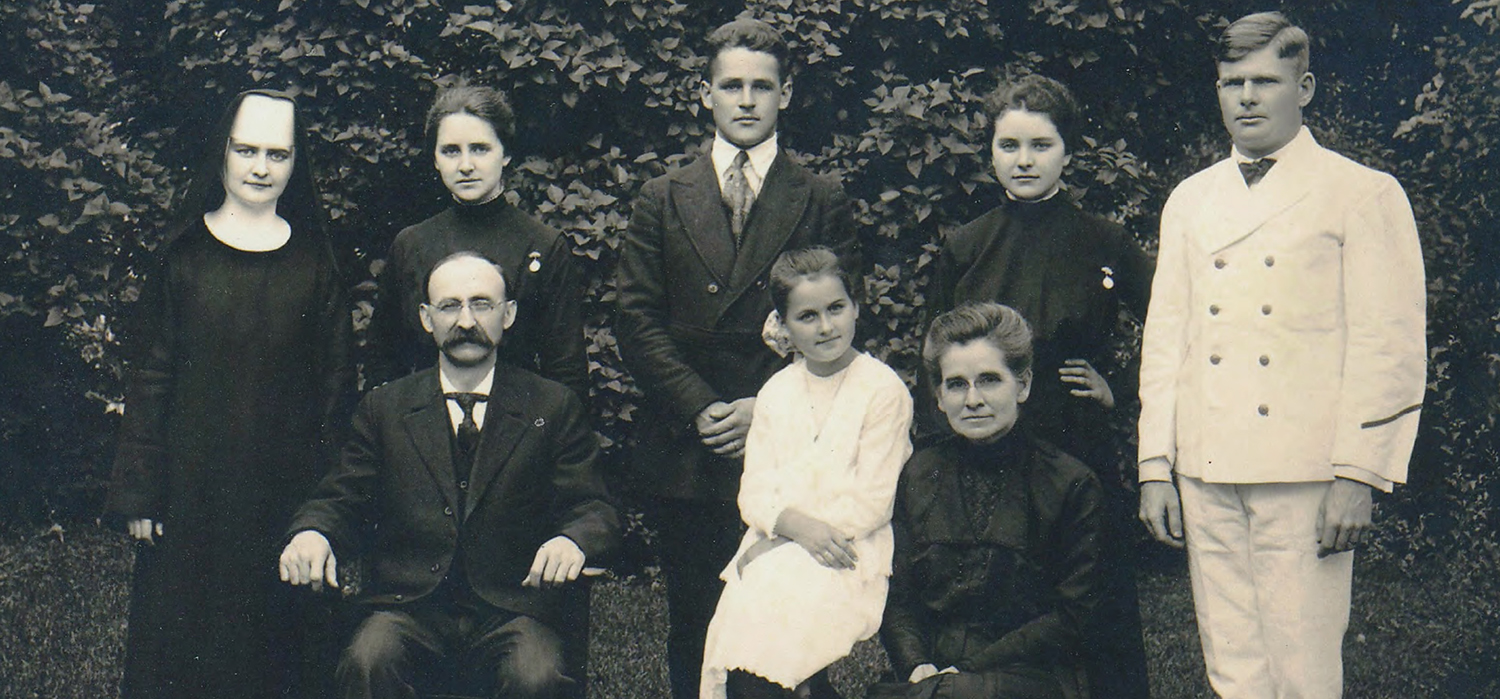
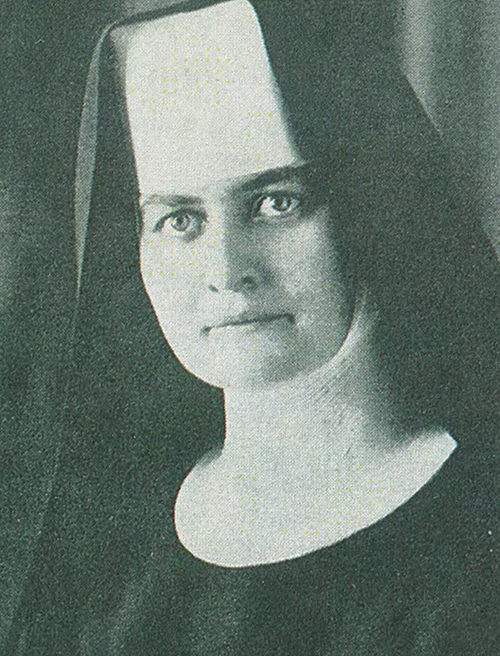
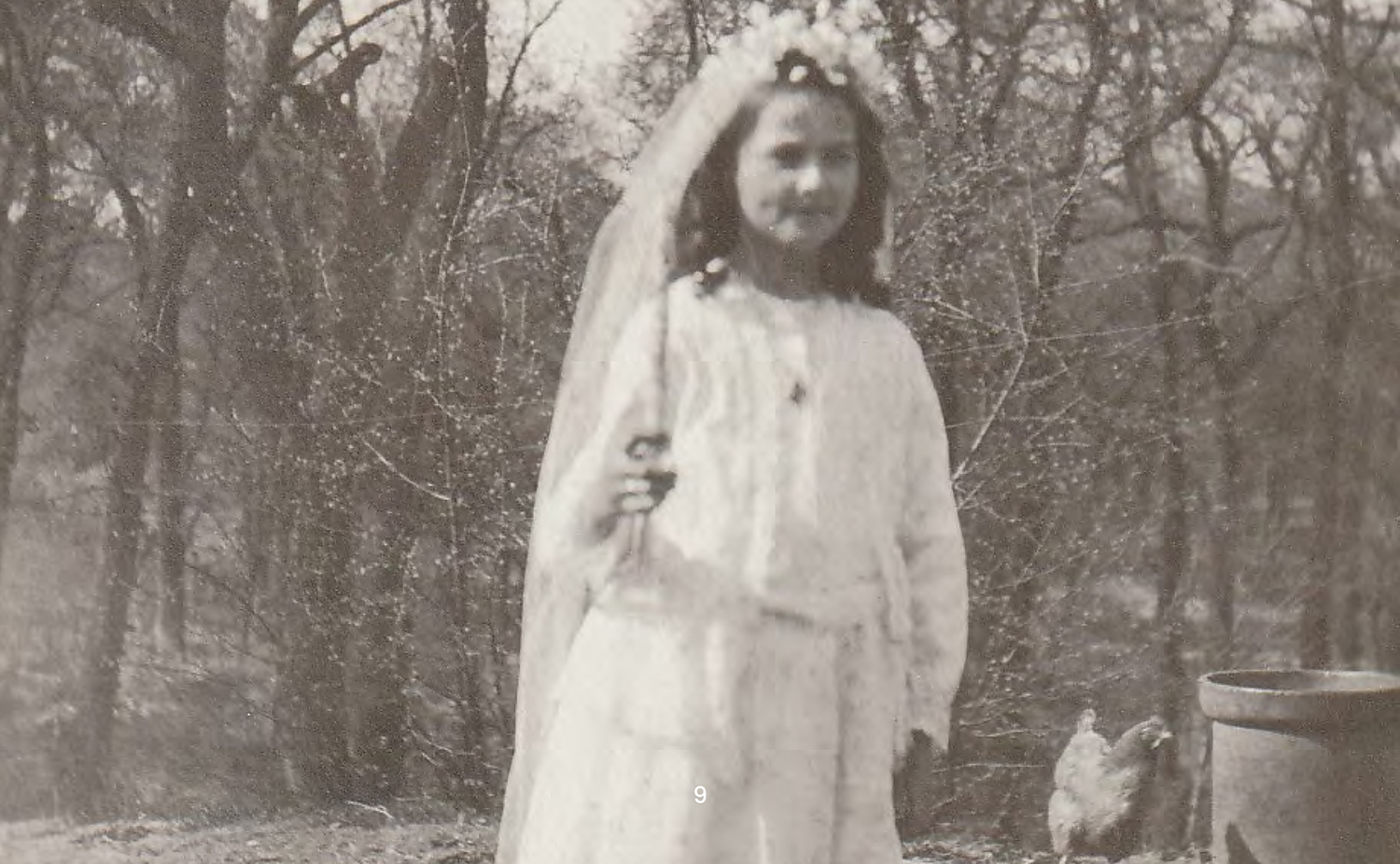
Sr. Zervas was born Anna Cordelia Zervas in 1900 in Moorhead, Minnesota, to a Catholic immigrant family. According to the guild, she showed a profound devotion to prayer and the Eucharist. She joined the Sisters of the Order of Saint Benedict in St. Joseph, Minnesota, in 1915. She took the name Mary Annella in 1918, professed simple vows in 1919 and made her perpetual vows in 1922.
Her biography said she lived a monastic life at the sisters' convent. She was said to be "filled with spiritual growth and immense happiness." She was described as generous and always eager to help others. She was said to deeply value religious life and to have a strong devotion to the Virgin Mary, according to the biography.
In 1923, she fell very ill. She suffered from severe pain that affected her stomach and skin. As the condition worsened, it was decided that she would receive the best care at home from her family. Despite numerous medical visits and treatments, doctors could not cure her. The biography says that even though Sr. Zervas was in debilitating pain, she remained faithful, meditating on scripture, singing, praying and devoting herself ever more to Jesus. She died at age 26.
The biography says since her death, people have been receiving blessings through her intercession.
In a press release on her new role, Zurface says "it is a privilege to assist the church in asking the Holy Father to recognize, through the discernment of the church and the confirmation of God himself, that this servant of God now shares in the glory of heaven and may be publicly venerated as a model of holiness and an intercessor for the faithful on earth."