
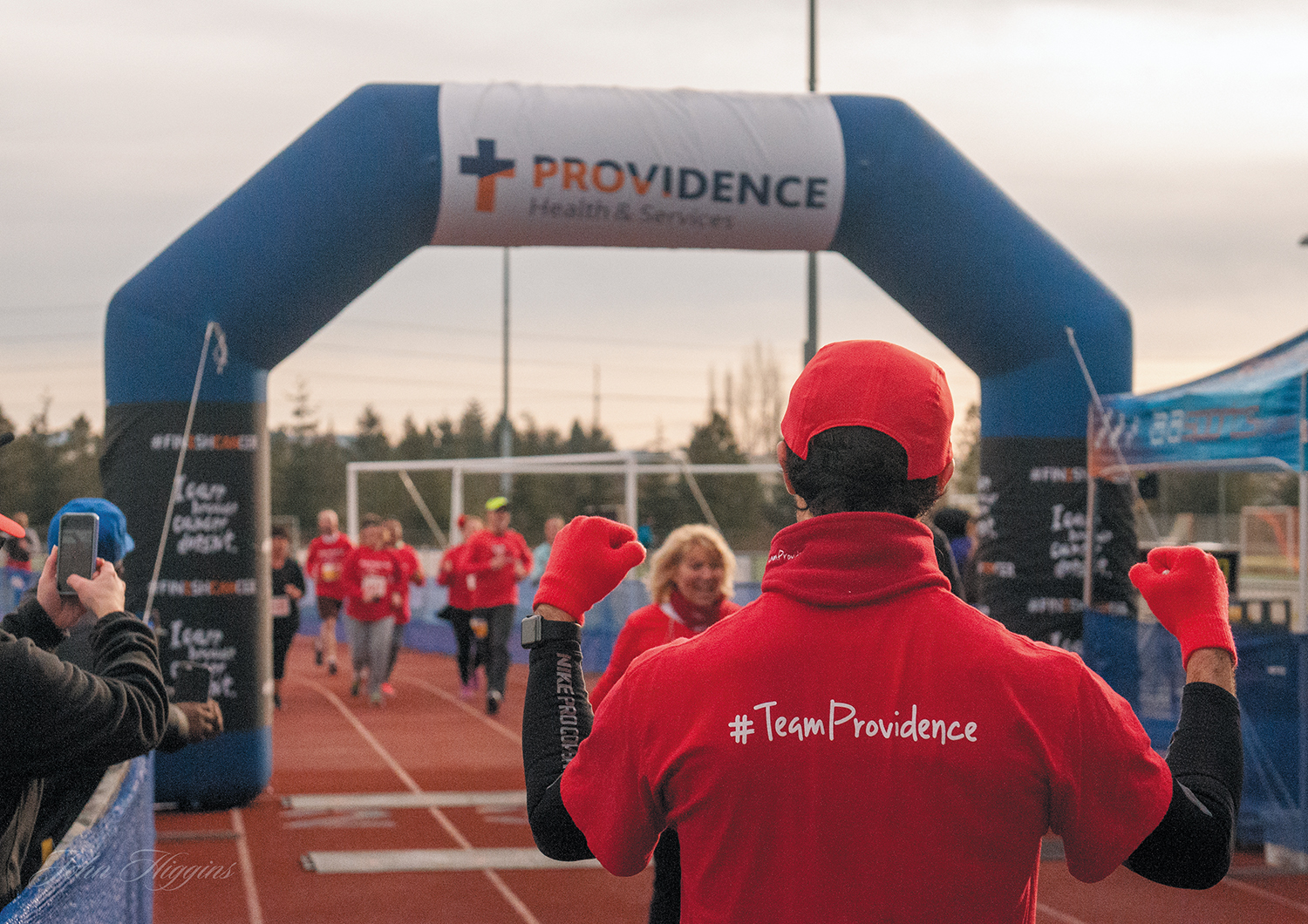
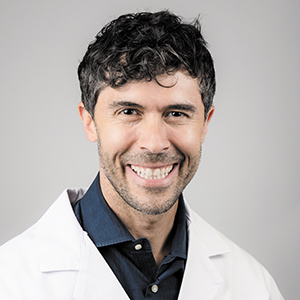
For Beckerman, that free program, which they called Heart to Start, was a way to extend his work in an impactful, meaningful way.
"For me, that was not just in the exam room," he said. "It was out on the track."
Heart to Start since has evolved, and thousands of people in the program complete a 5K together each year, both in person and virtually. An outgrowth of Heart to Start is a broader Providence wellness program called Basecamp Prevention + Wellness, which is also free to everyone, everywhere.
Basecamp, which started in 2017, offers in-person and virtual classes and resources on movement, nutrition, well-being and health coaching. More than 20,000 people subscribe to Basecamp's resources, and more than 14,500 people visit the site each month.
"Your pathways may look different from other people, or (you may have had to) stop or readjust or choose a new path, and Basecamp is that starting ground," explained Tracie Rose, senior program manager for heart wellness at Providence.
'Get out there with them'
Beckerman gathered the group at the track simply because he thought it would be fun. He was always sharing exercise advice and doing lifestyle counseling with patients, but he wanted to have a different type of interaction with them and others in the community. That first group made it to the finish line of a 5K.
"Everybody has had an experience where they did not want to eat a vegetable, or did not want to exercise, or did not want to practice piano, even though someone was telling them that it was a good idea," he said. "I guess in my role as a physician, I am charged with telling people it is a good idea, and sometimes just telling somebody that is not enough. You need to maybe get out there with them."
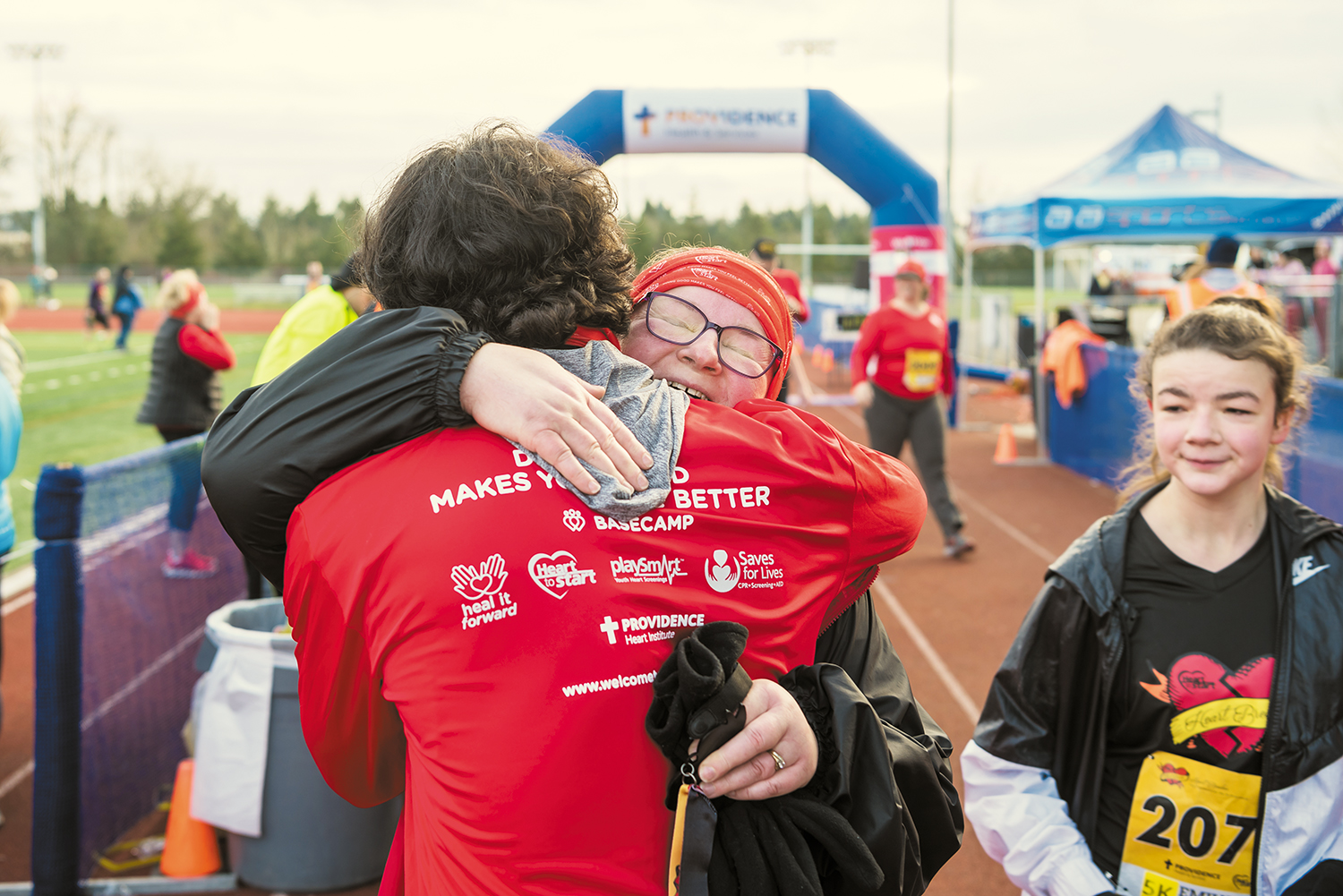
The pandemic forced Heart to Start and Basecamp to go online, which broadened the programs' reach. Participants sign up for an in-person or online season of Heart to Start that runs from November through February. Beckerman chose those dreary months because people might be more inclined to stay indoors. Instead, they meet online and on the track.
"We are pretty low tech, high touch," Beckerman said. "At the end of the day, our real focus is on expanding community in whatever form people find meaningful."
Dance beats
The training format of Heart to Start has changed over the years, but those who sign up get access to a workout program in which recordings of Beckerman guide them through their headphones with what he calls "some rockin' electronic dance beats to get you moving." The program changes every week with participants moving a bit longer and a bit faster.
Last season, more than 3,200 people registered, two-thirds of them from outside of Portland. They were in 25 states and three countries.
Over the years, Beckerman has found most fulfillment in seeing friendships and a real community form around an exercise goal.
"I think the secret is community," he said. "People need community, even if they are not looking for it."
Basecamp's growth
Rose signed up for Heart to Start in its second year. After becoming a participant, she helped grow the program into what is now Basecamp with Heart to Start as just one facet. "We just really wanted to continue getting out there and ask: What can we do to help make communities healthier?" she said.
Basecamp's flagship center is on the west side of Portland on the Providence St. Vincent Medical Center campus. A second location opened on the east side of town, on the Providence Portland Medical Center campus. Each location has fitness studios offering classes such as flow yoga, mat Pilates and barre. The west location has a common area where Basecamp hosts hybrid events. Heart to Start training groups meet in and around Portland, and anyone can join virtually.
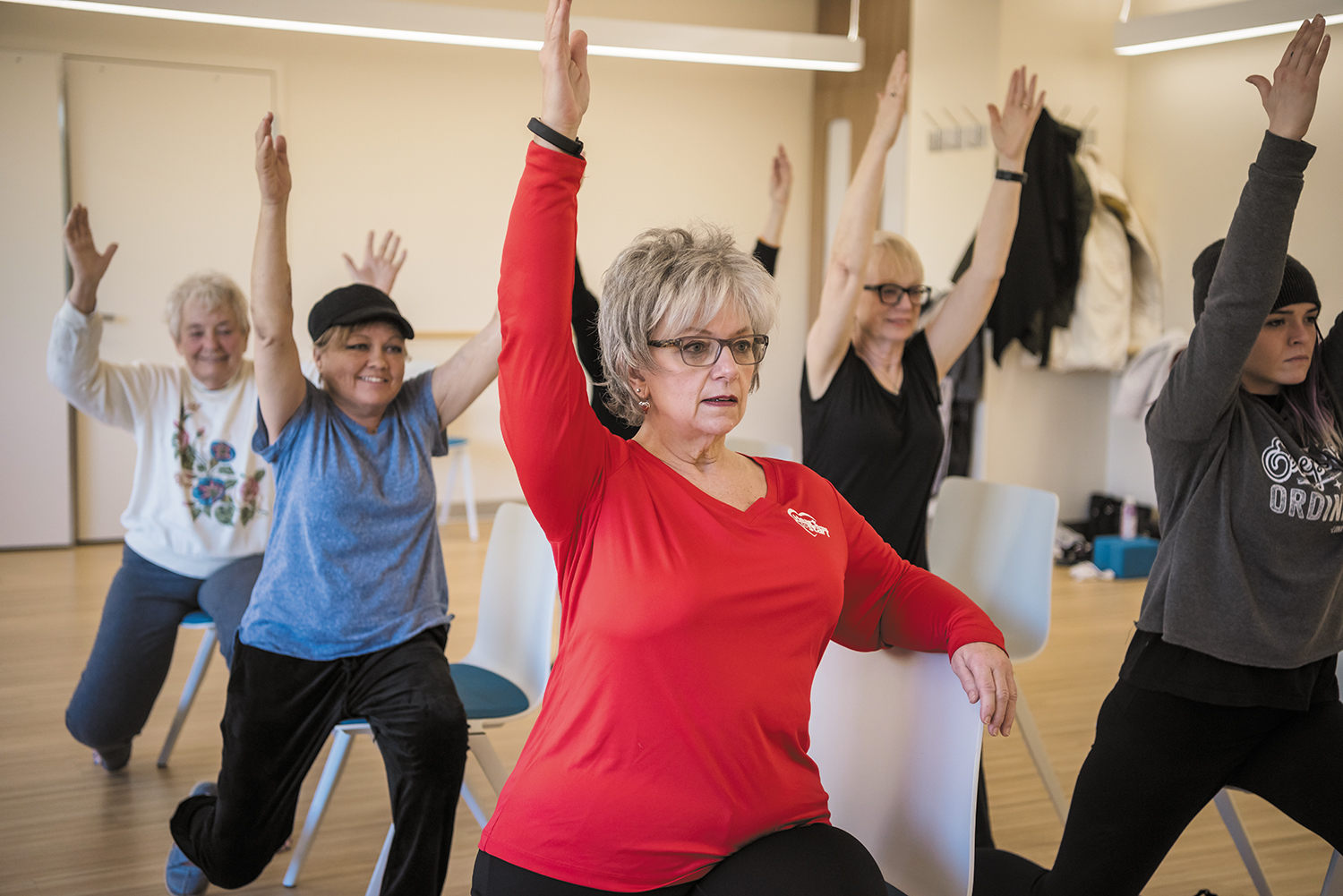
Online, Basecamp offers movement, strength and workout classes as well as cooking classes, recipes, opportunities to submit questions to a registered dietitian, and individual health coaching sessions. Some of the resources are offered in Spanish. Other Basecamp offerings include classes and resources on mindfulness, goal setting, and quitting the use of nicotine products; opportunities to talk to experts on health and wellness; a family-centered lifestyle training program; youth heart screening events; and opportunities to volunteer.
The volunteer program, called Heal It Forward, is built upon the motto that "doing good makes people feel better," Beckerman said. Opportunities in and around Portland include helping at food banks, cleaning up trails, and sorting clothing for those in need.
"We are just trying to extend the idea that doing good means a lot of things to different people, and that can mean taking good care of your body, and it is also taking care of your community," he said.
Building on resources
Basecamp is run within the Providence Heart Institute of Oregon with funding from the Providence St. Vincent Medical Foundation. A team of five people work on Basecamp programming, guided by Beckerman as their medical director. The team members have backgrounds in marketing, business development, and nonprofit work. They work regularly with videographers and other technicians at Providence St. Vincent, and they also work with about 20 movement instructors and a handful of experts leading the nutrition and well-being offerings.
"We do not want to duplicate big opportunities and big programs that exist," Rose said. "We really want to say: What is unique and helpful that we can provide that would be well attended or have good participation?"
Rose said the classes benefit both clinicians and patients, because they know the information is from credentialed, vetted resources. Patients do not have to sleuth for information elsewhere.
The fact that the classes are offered to anyone, anywhere, fosters connection: Rose's sister in Pennsylvania participates. When the friend who signed up for Heart to Start with Rose backed out, she quickly found new friends at the track. "And lo and behold, this many years later, some of the people I met that first day are some of my dearest friends," she said.
Continued motivation
Katie Reed, who worked in information technology with Providence until retiring in 2024, was among the first people who joined Heart to Start. She underwent hip replacements after the fourth season. "I used Heart to Start as my recovery program, and it was awesome, even though I had my cane walking along," Reed said. "Everyone cheers you on. That is the best part."
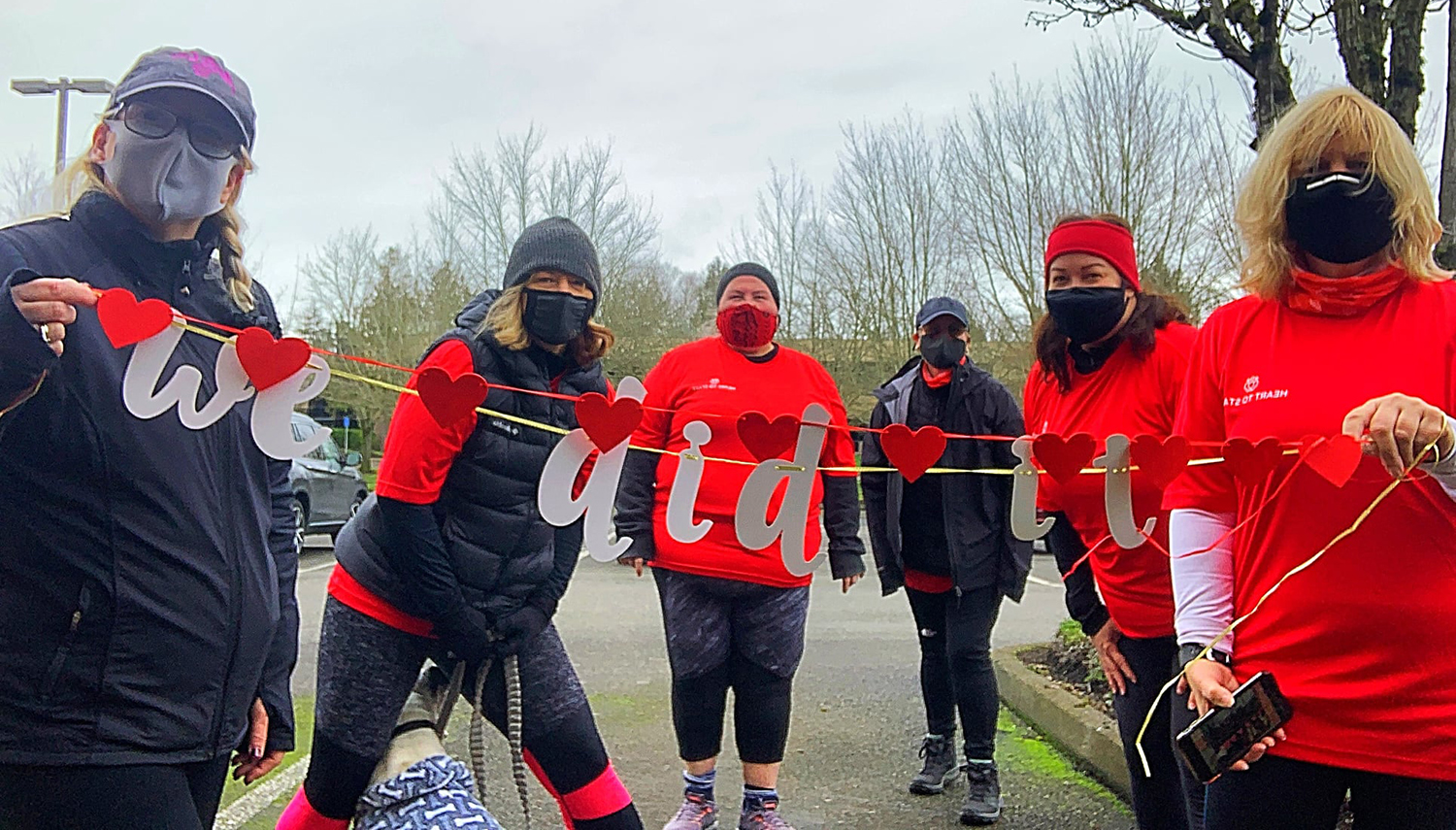
She has volunteered through Heal It Forward and worked with the Providence team on ideas when they decided to expand Heart to Start into Basecamp. She also has taken fitness classes through Basecamp and appreciates the help to stay fit in retirement.
"That's been the biggest thing for me," she said. "I am not going to act my age."
Reed walks with her husband a few days a week, and she regularly walks with a friend in the Heart to Start program. She has enjoyed connecting with Providence co-workers she would not ordinarily see otherwise. And she has made Beckerman "pinky swear" that he will continue Heart to Start another 15 years, so she can walk into her 80s.
Beckerman has seen people who have recovered from open heart surgery use Heart to Start and other Basecamp offerings to continue rehabilitation. He has seen families with school-age children use the programs to spend time together.
He did not know what he was starting at that first rainy night on the track.
"That did not seem like a great way to spend my evening, but it turned out to be a great way to spend many evenings and many mornings and lots of spaces in between," he said. "I am happy that I stuck with it, and I am happy that people stuck with me."