
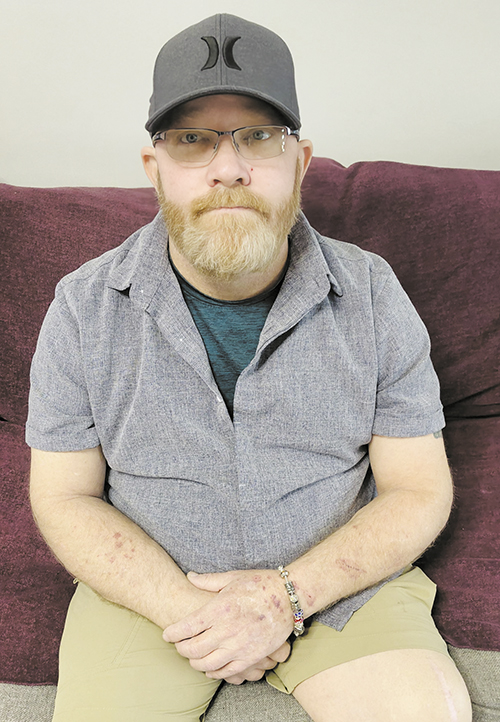
The beads on Jason Lorenger's bracelet tell more than a story of his cancer journey with Avera Health.
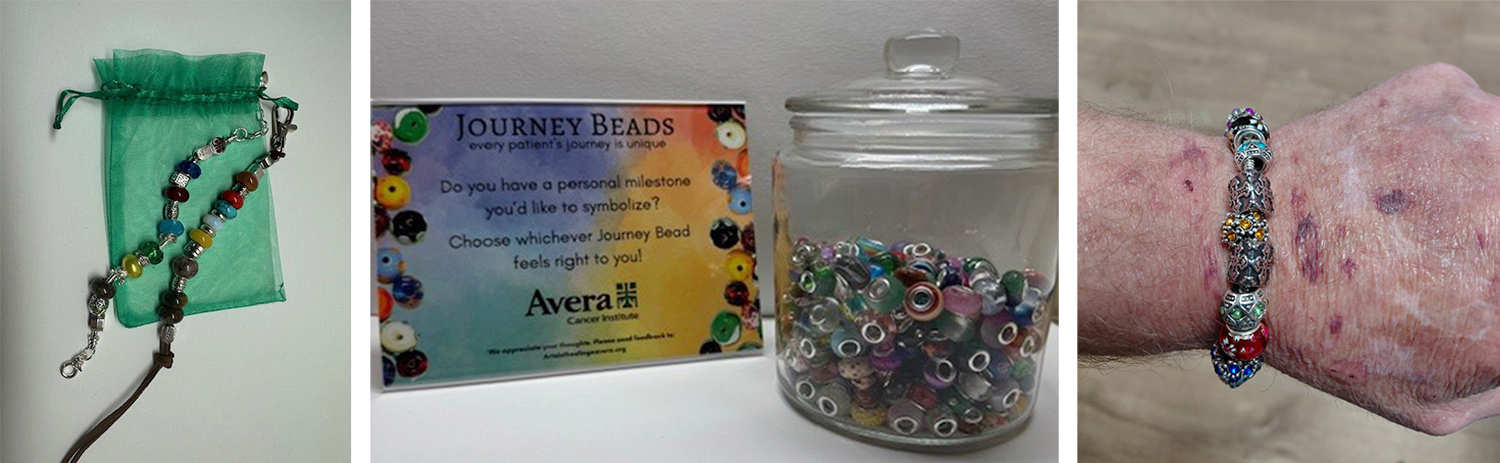
An orange bead, his favorite color, signifies his cancer. Beads with crosses signify his sometimes-complicated relationship with religion. Multicolored beads signify the people who have helped him along the way: doctors, nurse practitioners, his father, the scheduler at the front desk.
"It's not just about the cancer journey," said Lorenger, 55, who is undergoing chemotherapy and radiation treatments in Sioux Falls, South Dakota, for stage four cancer that has spread from his colon to his liver. "To me, the bracelet is more of a life journey, and I wanted that bracelet to represent that."
The Avera Journey Bead program started in May, and is already popular with patients, their families and caregivers. Avera invites patients at any of the system's six cancer institutes — five in South Dakota and one in Minnesota — to make a bracelet or a key chain with beads to signify milestones of their treatment.
Staff first offer patients an embossed Avera bead to signify their first step and a silver bead that says "hope." As a patient strings a bead, they often start reflecting.
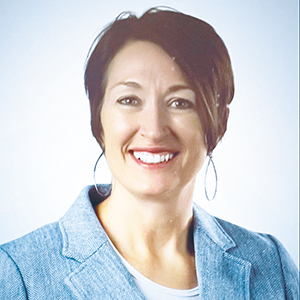
"That's usually when the stories are going to come out," said Holly Evans, an art specialist with the cancer institute in Sioux Falls. "It's very meaningful. It's very touching to the patients, to go through those beads and string them on the bracelet or key chain."
Getting the program started
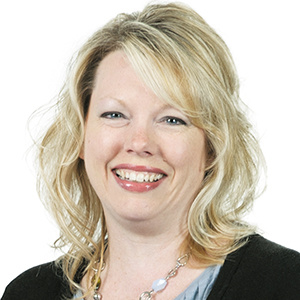
Carol Rogers, an art specialist at the same institute, said she and others first talked about starting a bead program several years ago, but the timing wasn't right. Last year, the idea came up again. They explored it, and found that most bead programs were for children, offering plastic beads to mark milestones.
"We just didn't want it to be plastic and simple," Rogers said. "We wanted to be a little more stepped up, something that an adult would want to wear, an adult would want to use."
They got managers and physicians on board and applied for and received a $10,000 grant from the philanthropic South Dakota Community Foundation. They found out what types of cancers each clinic treated most, so that they could order beads of the color that represents that particular cancer. Most of the beads, clasps and cords come from Amazon. Beads embossed with Avera's logo are custom made.
Avera staff or volunteers assemble starter kits that are distributed in gauze bags. More beads and charms go in jars on a counter or table in each clinic.
Glass beads in bright colors and muted stone beads appeal to nearly everyone who completes a key chain or bracelet. Some beads don't necessarily represent anything specific, just what strikes the patient.
"They are very intent on what they're looking for," Rogers said. "We had a person that found a snowflake charm, and that reminded her of her first day she came for treatment. It was snowing."
Each clinic has a bead caretaker of sorts who keeps track of inventory and makes sure patients know about the program.
"For the staff, who are the people on the front line giving the beads to the patients, it's very powerful for them, too," Rogers said. "It's therapeutic for everybody, the receiver and the giver."
When patients complete their treatment, they can add a silver survivor bead.
Sharing a story
The journey bead program falls under the complimentary arts and healing services offered at the clinics. Those services also may include painting, jewelry-making, and other crafts. "There's always a craft cart," Evans said. "You try to give people as many options as they want ... try to kind of create something for someone where they have that comfort, and they feel excited about it, and they don't feel overwhelmed by it. It's just a time to be peaceful and creative."
Rogers added: "There's the medical aspect to it — their blood pressure drops, their anxiety lowers, their moods are lifted. There's the emotional connection with their family that's in the room with them doing the project. There's usually laughter, and the mood's lighter."
Some patients who have completed treatment and returned for follow-up care have asked to complete their bracelet or key chain, and they're welcome to do so. So are spouses who ask to make a keepsake. The wearers say the trinkets help them tell their story to friends or family members, and to share what happened at their latest visit by explaining their newest bead.
"It's definitely a service we are giving them that is emotionally very helpful for them and for staff," Rogers said. "It just helps them understand, helps them share their unique journey. And I think when people have a space to share their story, that's very powerful."
Lorenger, of Beresford, South Dakota, sometimes brings his daughters, Hannah, 10, and Olivia, 8, with him for his treatments. The Avera caregivers let the girls make their own bracelets. They all wear them, which helps them all talk about and acknowledge Lorenger's illness.
He said his bracelet also is a reminder that the hospital and his caregivers are thinking about him and his family.
"I like wearing it out. I want people to see it, you know? I love when I get a compliment about it, and you can just mentally feel good to have it on," he said. "I feel better just having it with me. It's a wonderful idea to give back to the patient."