
A decade ago, CHA articulated in its Guiding Principles for Conducting Global Health Activities that improving the health of communities in low- and middle-income countries requires, among other drivers, a good business strategy and authentic partnership.
Those elements have been key to the work Bon Secours Mercy Health's Global Ministries has been undertaking overseas since its 2007 founding. The health system division has built trusting relationships with groups and community members already active in the host countries, getting a good grasp of the needs and the approaches that would work best and then using its resources to empower local people, says Camille Grippon, system director of Global Ministries for Bon Secours Mercy Health.
With a current focus in Haiti, Peru, the Philippines and South Sudan, Global Ministries "plays a vital role in extending compassionate care to vulnerable populations worldwide," says Grippon. Its mission "is deeply rooted in addressing global health disparities through strategic partnerships and targeted initiatives," she says.
Transferring skills
Grippon says Global Ministries works in some of the same countries where Bon Secours Mercy Health's founding congregations have been active. Those congregations are the Sisters of Bon Secours, the Sisters of Mercy and the Sisters of the Humility of Mary.
In the host countries, Grippon says, Global Ministries always works with trusted partners at the invitation of local people. The thrust of Global Ministries' work is to build up local resources, such as transferring skills to in-country health professionals and investing in the strategic work of partner organizations, Grippon says.
She estimates that the approach is enabling Global Ministries to impact more than 200,000 people overseas each year. Its goal is to impact 1 million people over three years.
Health care access
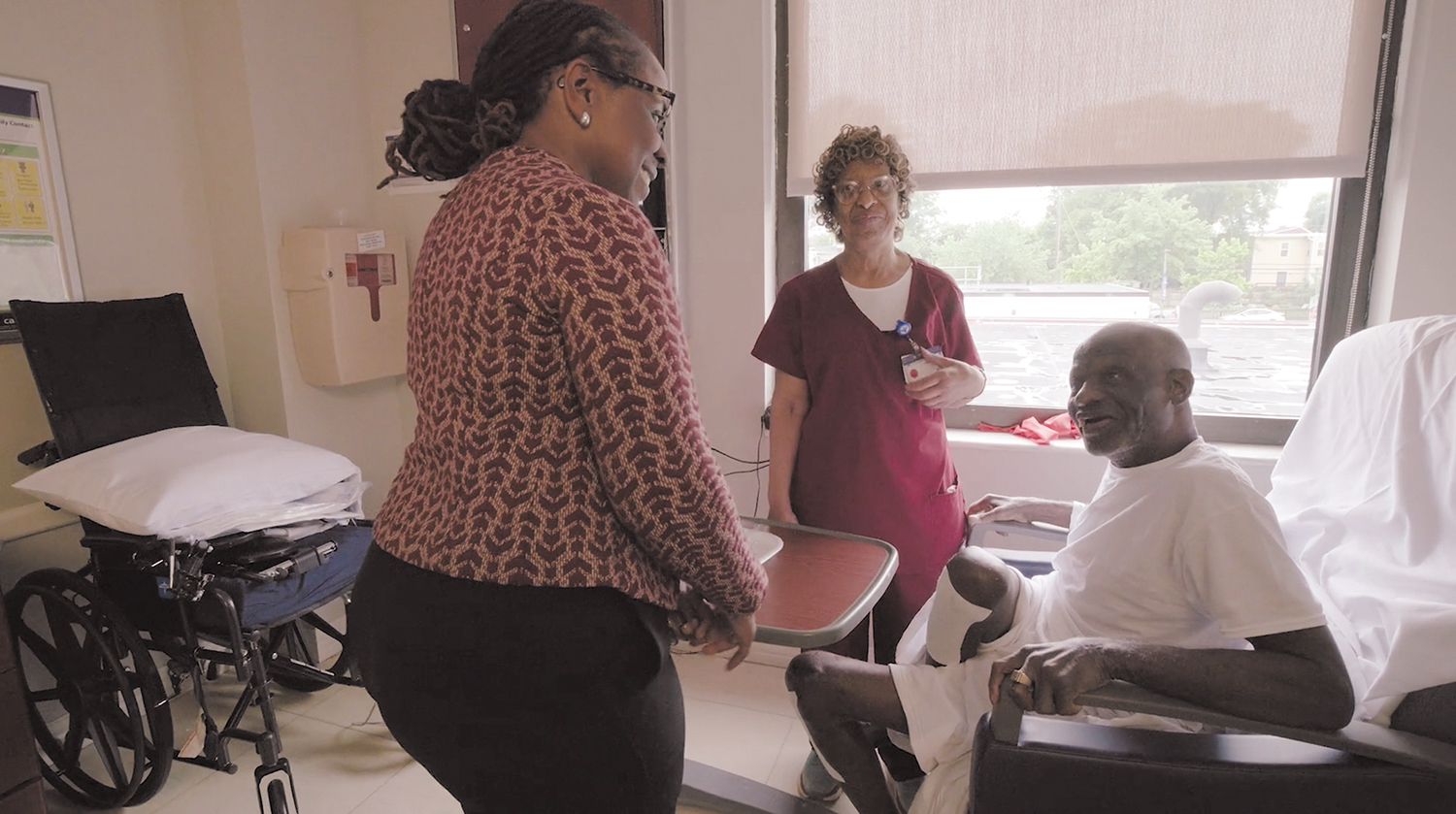
A key Global Ministries focus is improving health care access, with maternal and child health as top priority.
Grippon says Global Ministries works under a community health approach in the host countries to educate pregnant women about prenatal care and where to obtain it. Global Ministries also shores up infrastructure in the countries to promote healthy births and quality health care for children. It also equips community health workers to provide education on preventing anemia and malnutrition and on safe handling of babies.
Grippon says Global Ministries keeps metrics, including on safe deliveries, anemia rates and access to health care.
WASH initiatives
As part of its health care access work, Global Ministries seeks to reduce water-related illness and death by investing in WASH initiatives. WASH stands for water, sanitation and hygiene.
Around 2021, the Vatican's Dicastery for Promoting Integral Human Development launched a project to improve WASH infrastructure in Catholic health care facilities around the world. An assessment had shown that many of these facilities had inadequate access to a safe, reliable water supply.
To support this effort, Global Ministries invested in Catholic Relief Services work to repair infrastructure and strengthen staff capacity at the Saint Camillus Health Care Center in the Philippines. The focus is on sustainability, says Grippon.
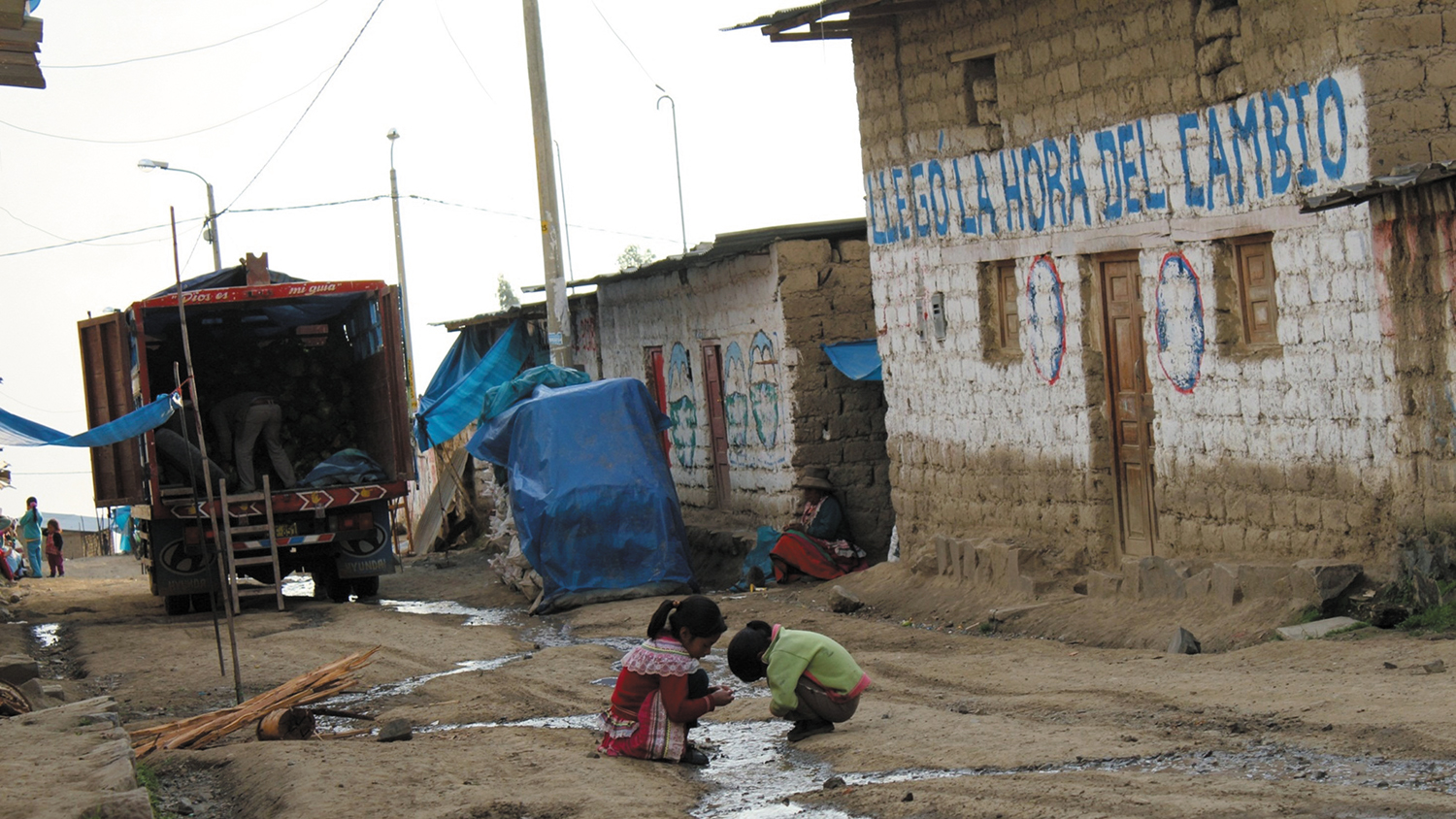
Global Ministries also invests in preventing water-borne illness and death in Haiti, Peru and the Philippines. It partners with agencies in the host countries to provide water filters to people and educate them on water safety. This includes teaching kids to avoid playing in contaminated water and families about washing hands before cooking.
"These initiatives save lives," Grippon says, noting that an estimated 2 million people die annually because of unsafe water.
Environmental sustainability, emergency response
Grippon says that two areas of focus for Global Ministries are linked: care of creation and emergency response. She says this work is "in response to increasing natural disasters and human-led conflicts. The emergency response program supports communities affected by crisis."
Global Ministries helps fortify overseas communities so they can prepare for and respond to environmental threats and other disasters. "We are working to minimize the impact of disasters on the most vulnerable people in the world, and the threats are getting stronger because of the climate reality," says Grippon.
Global Ministries works with local partners to train community members in disaster response and to preposition supplies like water purifiers that would be needed in a disaster. Global Ministries also works with its partners to improve resiliency, such as advising people after a flood how to rebuild outside of flood zones.
Global Ministries also has provided donations when disasters and conflicts hit. It gave more than $200,000 over five years for relief efforts in the Philippines after 2013's Typhoon Haiyan. It partnered with International Rescue Committee, Americares, Catholic Medical Mission Board and CRS to offer emergency aid, medical supplies, shelter, and long-term reconstruction help. Bon Secours Mercy Health employees donated an additional $46,000.
Upon the invitation of in-country partners and local ministries of health hit by environmental or manmade crises, Global Ministries will enable U.S.-based Bon Secours Mercy Health supplies or clinicians to support overseas operations to provide medical aid.
Justice
The justice aspect of Global Ministries' work includes arranging for people to travel to the U.S. to access health care that they cannot get in their native countries. Bon Secours Mercy Health clinicians provide that medical treatment and wraparound support at no cost to patients. Global Ministries helps coordinate the logistics and communication among the people involved.
For example, a man from France was ill in the U.S. and needed to go back home to continue his care. After he was successfully treated at Bon Secours Richmond Community Hospital, he was medically repatriated and reunited with his family in France.
Global Ministries also helped a Honduran human rights advocate who had a heart condition that caused chest pain and shortness of breath. Global Ministries coordinated her life-saving treatment at Bon Secours St. Mary's Hospital in Richmond, arranged her travel home and repatriated her to Honduras when she was healthy enough to return.
Grippon says of all the Global Ministries efforts, "Our work puts human dignity at the center of all we do."