
While trying to improve the health and lives of people who are experiencing homelessness, Dignity Health, a member of CommonSpirit Health, looks for advice from those who know best.
All but one of the 13 members of the Research and Equity Advisory Council for Housing Insecurities, or REACHI, have experienced homelessness. They provide guidance and perspectives to CommonSpirit Health's Homeless Health Initiative team, such as on deciding how to award grants, how to partner with other groups that serve unhoused communities, and how to identify and address additional needs.
The group, started in 2022, initially focused on California but this fall has expanded to Washington state.
Recent grantees
Last summer, Dignity Health announced $1 million in funding to four community-based organizations that help those who are homeless. REACHI helped decide who got the grants. The grantees are:
- The Rightway Foundation of Los Angeles County, which helps homeless foster youth transition to adulthood.
- Sunnyside 5 Student Housing of Los Angeles County, which provides transitional housing for young adults.
- Safe Parking LA, which focuses on ending vehicular homelessness. This grant will help pilot a safe parking program for women and provide inclusive, gender-responsive services, including trauma-informed care.
- Community Action Board of Santa Cruz County, which will provide interim housing and wraparound services for people in the Pajaro River floodplain encampments.
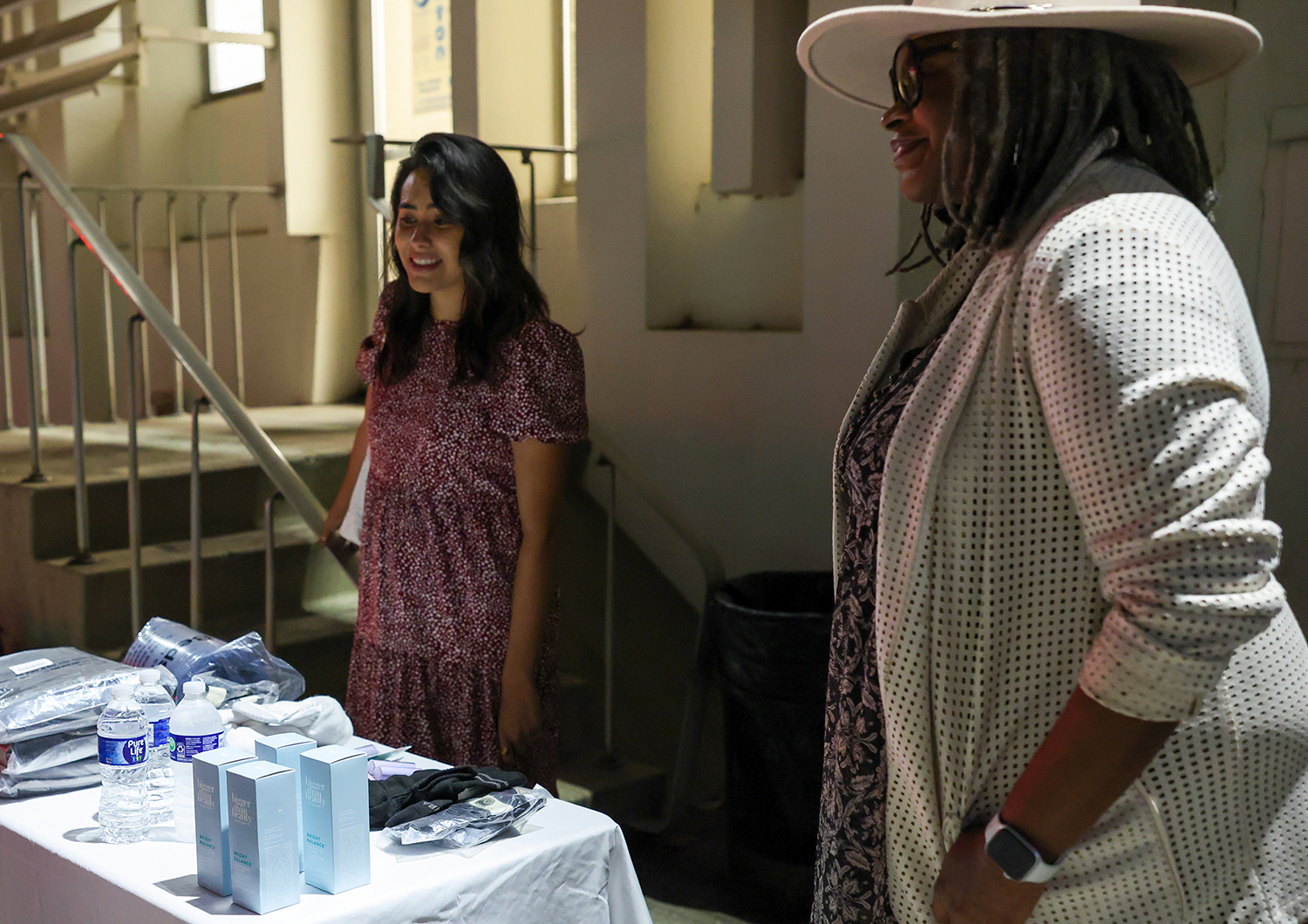
The REACHI council meets quarterly, and subcommittees meet as needed, and members are compensated for their time.
"Our intention was really creating a space that was for our members, even though we have obviously our priorities internally, we wanted it to really be a space for them and for them to truly feel leadership in the work that we were doing together," says Nicole Wilson, CommonSpirit's community health and housing system manager.
This year the group is focusing on how they can impact internal hospital policies and give clinicians a fuller picture of why someone who doesn't have stable housing might not be medically compliant or why a particular policy might create stigma in the hospital.
Lived experience
One council member, a man who had been homeless, was able to visit a short-term housing site that Dignity Health helped fund in Santa Barbara. He advised that the residents who were more medically vulnerable might need more time to shower than the seven minutes they had been allotted, so he made recommendations regarding showers for a similar project they were building in neighboring Santa Maria, Wilson says.
Suzette Shaw, who has experienced homelessness and is now an advocate for people living in the Skid Row neighborhood of Los Angeles, is one of the founding members of REACHI. She said that Safe Parking LA's grant application to start a program for women stood out to her, because women in that position are particularly vulnerable and because she herself had once lived out of her SUV.

"I just felt really compelled to apply to be a part of REACHI because it would allow me to be the voice," she says. "I'll be 62 next year. And Black, middle-aged and elderly women, we track as one of the number one demographics, by huge, disproportionate numbers, displaced by poverty and homelessness. Systemic inequality and lack of equity has really played a huge part in that."
Wilson says the model of having people with lived experience on the council is invaluable and can be extended across other initiatives. She says she's not aware of another lived experience advisory council model like Dignity Health's within a health care system. A council can gather input from people who have gone through an experience, such as encounters with violence, human trafficking, and chronic illness.
"It has been hugely impactful to our grant process and how we fund," she says. "But I think more than that, it's been about: How can we really think about this as a model and a practice for how we serve vulnerable populations whose voices are often not represented and not at the table?"
Safe Parking LA gives people who are unhoused a secure place to sleep in their vehicles overnight